


ModPod Podiatry was the first practice in Australia to use the Erchonia Lunula Laser for fungal nail infections. We have treated over 10,000 patients across five Sydney clinics since.
Cold laser treatment is painless, has no side effects, and clinical studies report a 75–90% success rate. Each session takes 12 minutes per foot. You walk out and carry on with your day.
ModPod Podiatry was the first practice in Australia to use the Erchonia Lunula Laser for fungal nail infections. We have treated over 10,000 patients across five Sydney clinics since.
Cold laser treatment is painless, has no side effects, and clinical studies report a 75–90% success rate. Each session takes 12 minutes per foot. You walk out and carry on with your day.
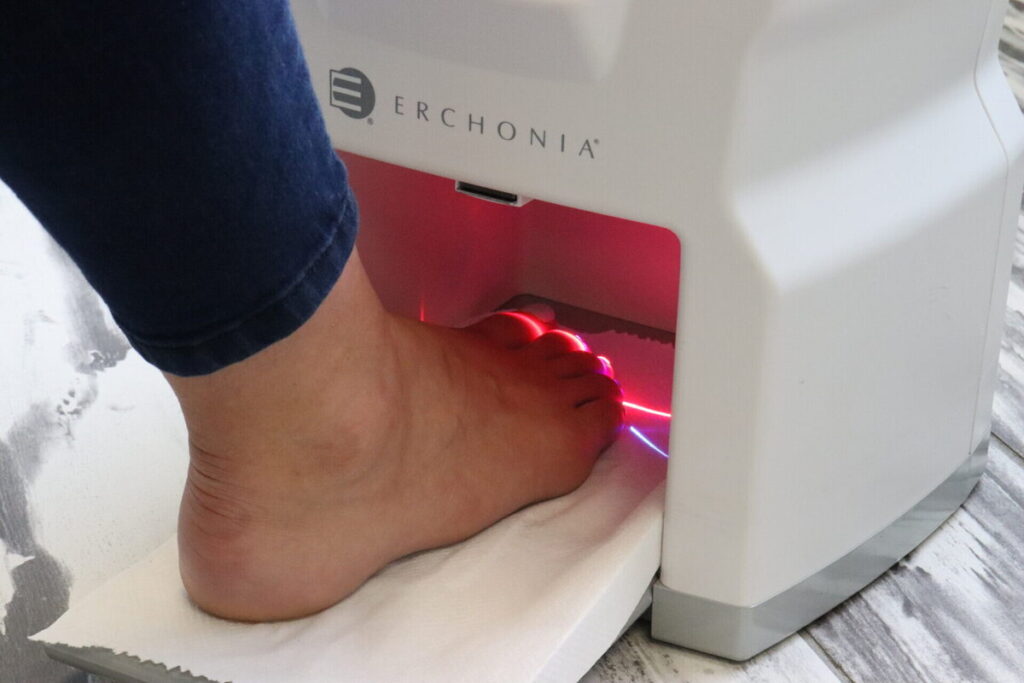
The Erchonia Lunula Laser is a cold (low-level) laser that targets fungal infections without heat, pain, or damage to surrounding skin.
This dual approach attacks the infection and helps your body clear it at the same time.
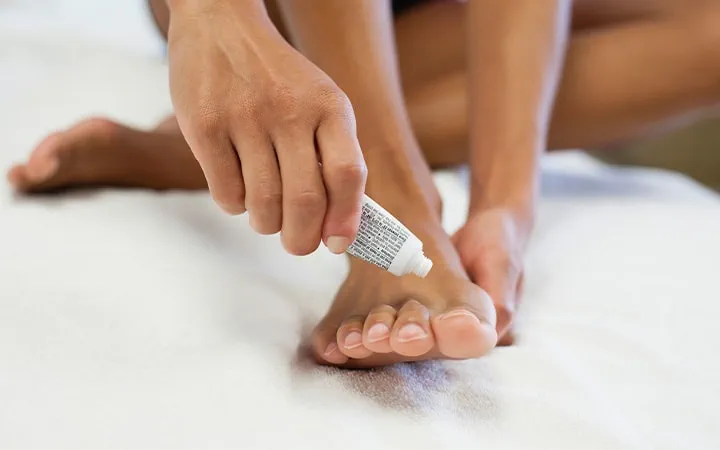
For moderate to severe infections, we combine laser treatment with topical antifungal agents. Evidence shows combination therapy delivers better outcomes than any single treatment alone. Your podiatrist will recommend the right approach based on the severity of your infection.
| Treatment | Cure Rate | Pain | Side Effects | Sessions | Notes |
|---|---|---|---|---|---|
| Cold Laser (Lunula) | 75–90% | None | None | 4–8 | FDA cleared, no downtime |
| Hot Laser (Nd:YAG) | 40–60% | Moderate–high | Skin burns possible | 3–6 | Heat-based, can be uncomfortable |
| Oral Medication | 65–75% | None | Liver toxicity, GI issues | Daily for 3–6 months | Requires GP prescription, blood tests |
| Topical Antifungals | 5–17% | None | Minimal | Daily for 6–12 months | Struggles to penetrate the nail |
| Home Remedies | Very low | None | Minimal | Ongoing | No strong clinical evidence |
Cold laser stands out because it combines a high success rate with zero pain and zero side effects.
Want to compare all your options in detail? Read our guide: The Best 5 Toenail Fungus Treatments
We have treated over 10,000 patients with fungal nail infections across our five Sydney clinics. Cold laser protocol delivers a 75–90% success rate (according to clinical studies), depending on the severity of the infection and the patient’s compliance with aftercare.

Your podiatrist examines your nails under magnification, reviews your history, and identifies which nails are affected. We use visual diagnosis — it is more reliable than lab cultures, which take weeks and often return false negatives. You start treatment the same day.

Based on the assessment, we create your plan. This may include laser sessions alone or a combination of laser and topical antifungal treatment. Your podiatrist files down any thickened or damaged nail before treatment. This allows the laser to reach the infection more effectively.

Each session takes around 12 minutes per foot. You sit back, the laser does the work, and you feel nothing. Most patients need 4 to 8 sessions, spaced one week apart.

We walk you through simple prevention steps to reduce the risk of reinfection — from nail care and footwear choices to managing moisture and shared surfaces. Toenails grow slowly — it takes 9 to 12 months for a full nail to replace itself. We monitor your progress and adjust the plan if needed.
Most private health funds in Australia include podiatry under their extras cover. If your plan covers podiatry, you can claim part of the consultation fee for your initial assessment. Laser treatment itself is not covered by health funds, but the podiatry consultation component may be. Bring your health fund card to your appointment and we can process your claim on the spot with our HICAPS terminal.
We treat fungal nails at all five ModPod Podiatry locations:
• Sydney CBD
• Rose Bay
• Mosman
• Dee Why
• North Ryde
Book at Your Nearest Clinic today
How much does fungal nail laser treatment cost in Sydney?
The cost depends on how many nails are affected and how many sessions you need. Most patients require 4 to 8 sessions. Contact us on (02) 9960 3981 for current pricing, or read our guide on the cost of laser nail fungus removal.
Does laser treatment for toenail fungus work?
Yes. Clinical studies show cold laser (Lunula) achieves a 75–90% success rate for fungal nail infections. It works best when combined with topical antifungals for moderate to severe cases. We have treated over 10,000 patients across Sydney with this approach.
How many laser sessions do I need for fungal nails?
Most patients need between 4 and 8 weekly sessions. The exact number depends on the severity of the infection. Your podiatrist will assess your nails and recommend a treatment plan at your first appointment.
Can I walk after fungal nail laser treatment?
Yes. Cold laser treatment is painless and requires no recovery time. You can return to normal activities straight away, including walking, exercise, and wearing shoes.
Is cold laser better than hot laser for nail fungus?
Cold laser (like the Lunula) treats the infection without generating heat, so there is no pain and no risk of skin burns. Hot laser (Nd:YAG) uses heat to destroy fungal cells, which can cause discomfort during treatment. Cold laser also has a higher reported success rate (75–90% vs 40–60%).
What causes yellow toenails?
The most common cause of yellow toenails is a fungal infection (onychomycosis). Other causes include nail trauma, psoriasis, or regular use of dark nail polish. If your toenails have turned yellow, thick, or crumbly, we recommend getting them assessed. Try our free AI Nail Scanner for a quick check.
Do I need a referral for fungal nail treatment?
No. You do not need a referral to see a podiatrist in Australia. You can book directly with us online or by phone.
Is fungal nail laser treatment covered by Medicare?
Fungal nail laser treatment is not covered by Medicare. Some private health funds cover podiatry consultations — check with your provider. We can provide receipts for you to claim if your fund includes podiatry.