

Foot and lower limb pain stop you doing what you enjoy. Our sports podiatrists assess the cause and build a plan to get you back to training.
We see runners, cyclists, footballers, netballers and gym-goers at our Sydney CBD clinic on Hunter Street. We also work with people whose jobs keep them on their feet all day
Sports podiatry is the assessment and treatment of foot, ankle and lower limb injuries linked to sport and physical activity.
A sports podiatrist looks beyond the site of pain. We assess your gait, biomechanics, footwear and training load to find the root cause — not just the symptom.
Our podiatrists treat a full range of lower limb conditions. Below are the most common injuries we see at our Sydney CBD clinic.

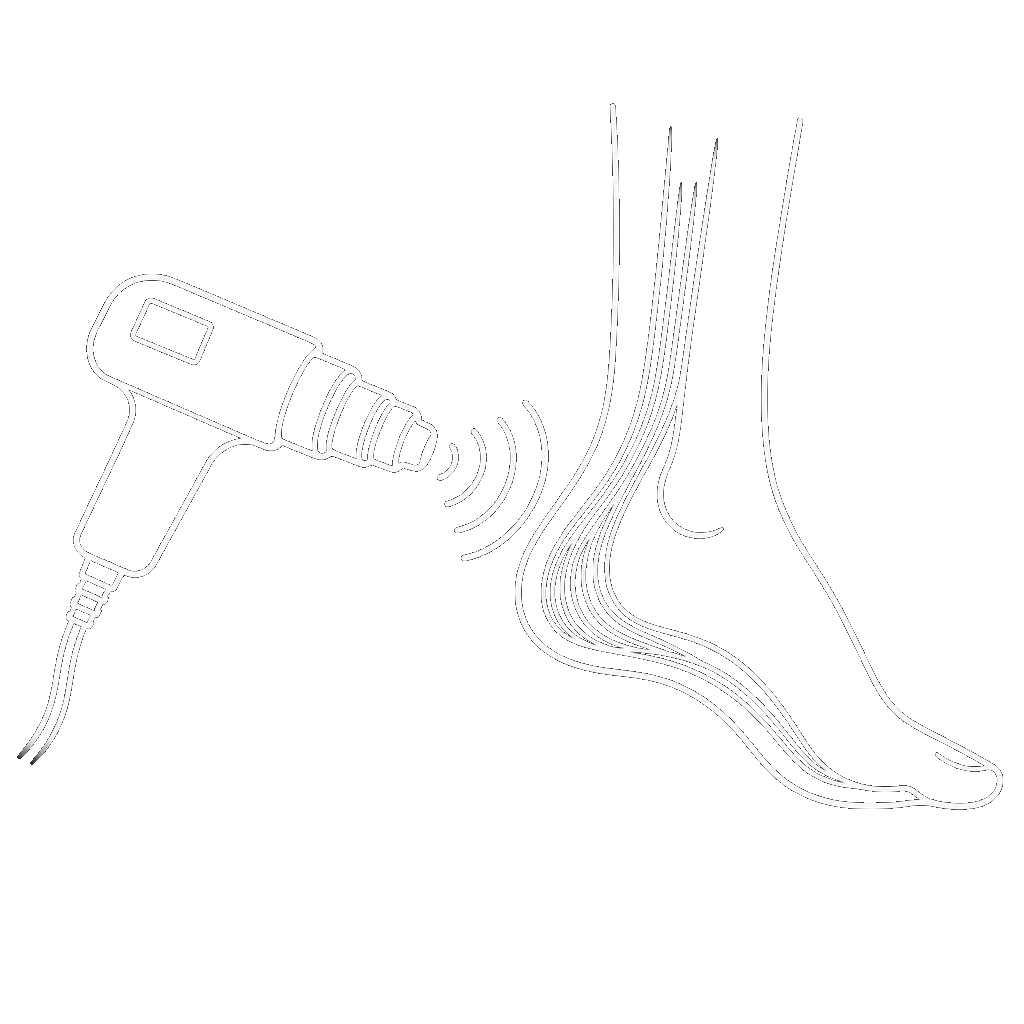
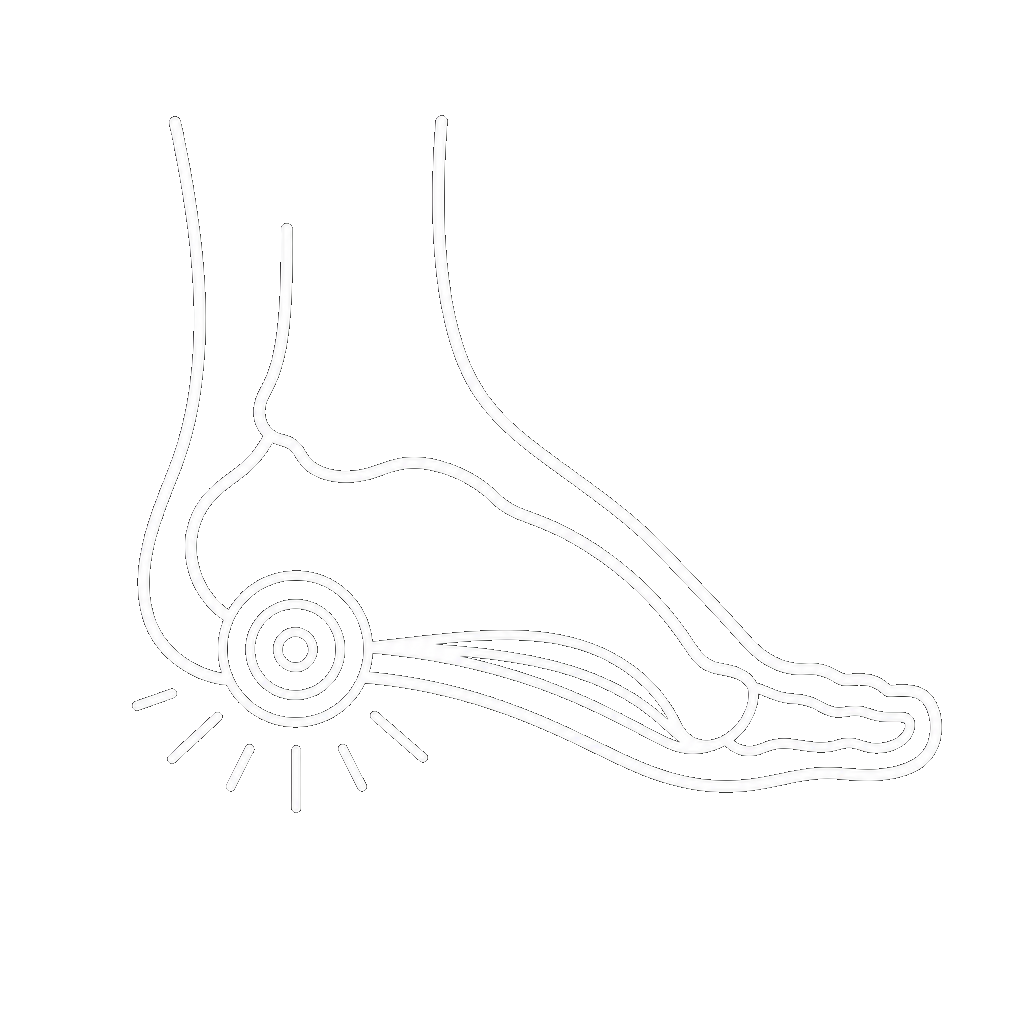
Plantar fasciitis causes pain at the base of the heel. It is the most common condition we treat. Pain is often worst first thing in the morning or after sitting for long periods. We treat plantar fasciitis with load management, stretching, custom orthotics and shockwave therapy for stubborn cases.
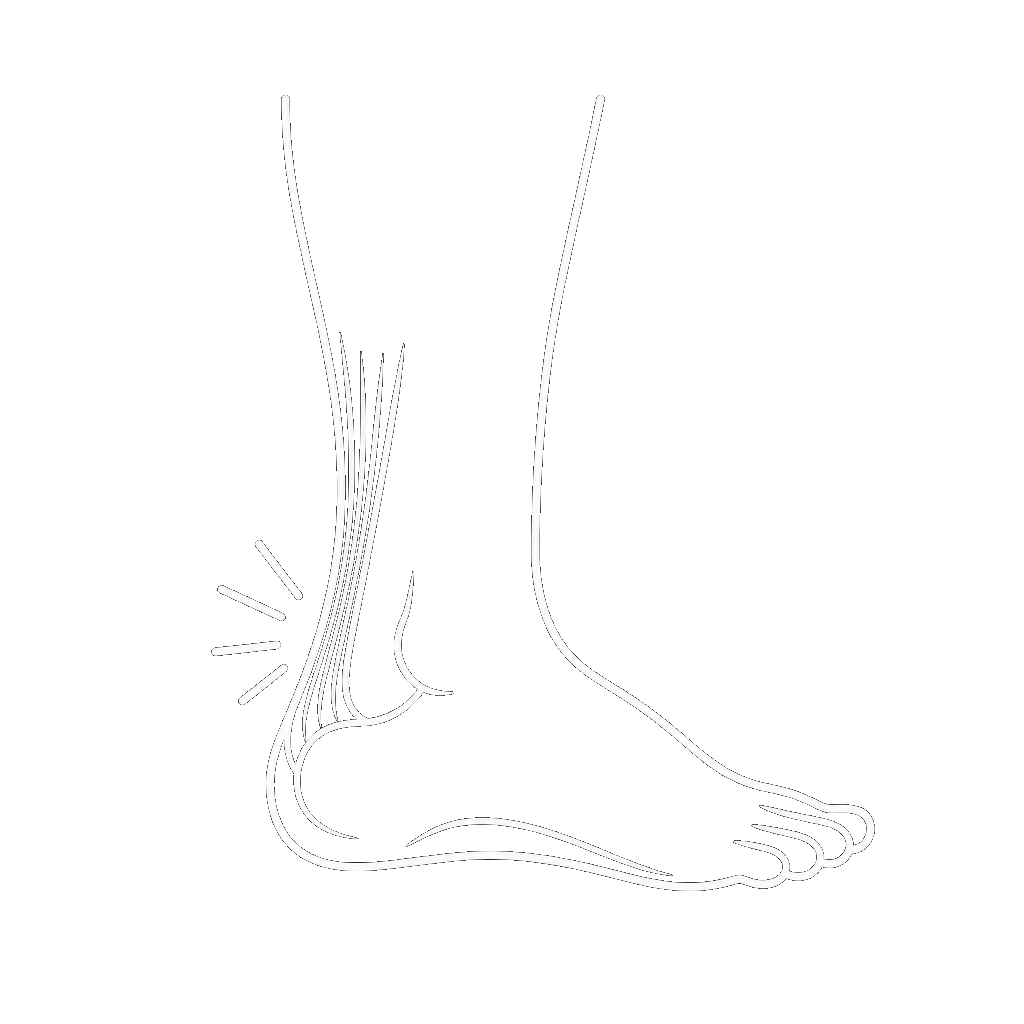
The Achilles tendon connects your calf to your heel bone. Tendinopathy means the tendon is overloaded and not healing. It causes stiffness and pain at the back of the ankle — often worse in the first few minutes of a run. We use a progressive loading program alongside foot control strategies to get the tendon healthy again.
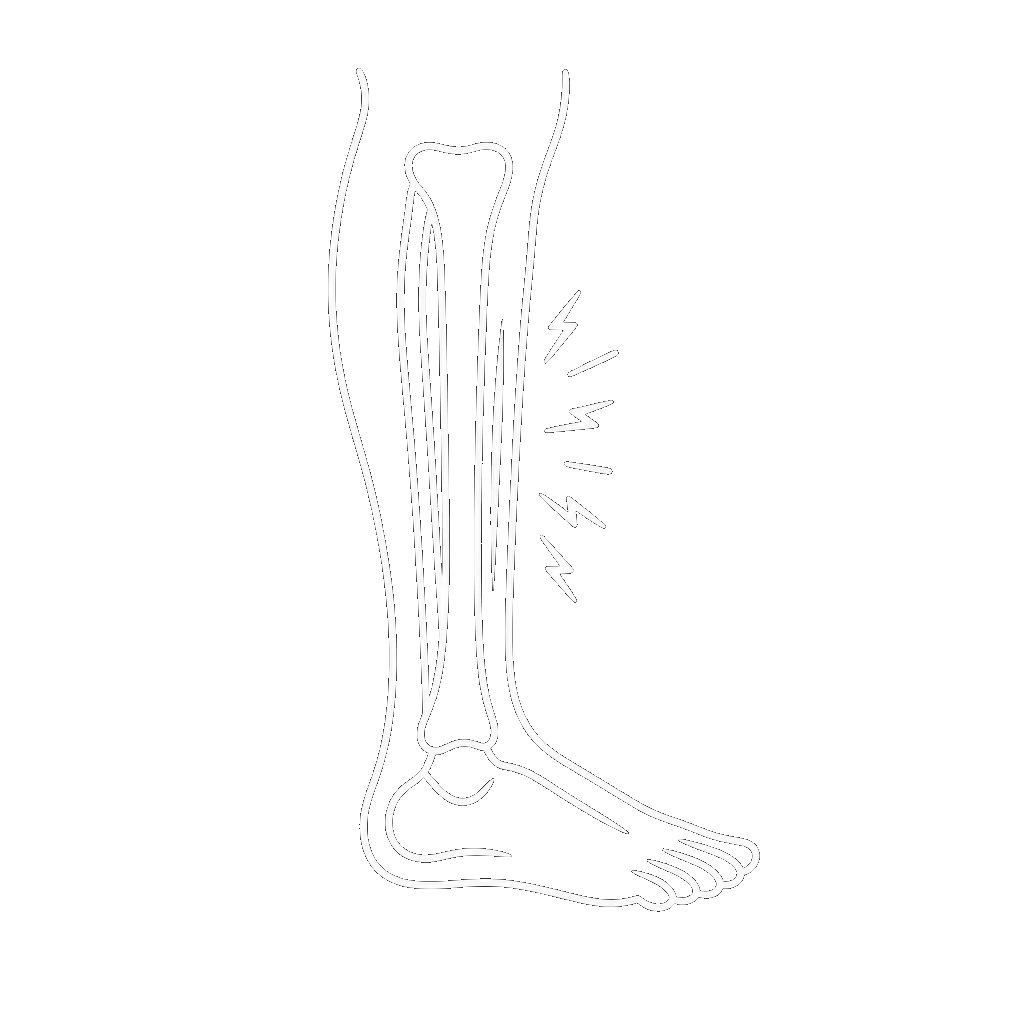
Shin splints cause pain along the inner edge of the shin bone. They are common in runners, especially those who have increased their training load too fast. We assess your foot mechanics, running technique and training volume. Treatment includes load reduction, footwear review and custom orthotics where foot mechanics are a contributing factor.

A stress fracture is a small crack in a bone caused by repeated loading. In runners, the tibia, metatarsals and navicular are most commonly affected. Stress fractures need a correct diagnosis and an offloading strategy. We arrange imaging referrals and can fit an offloading boot where needed.
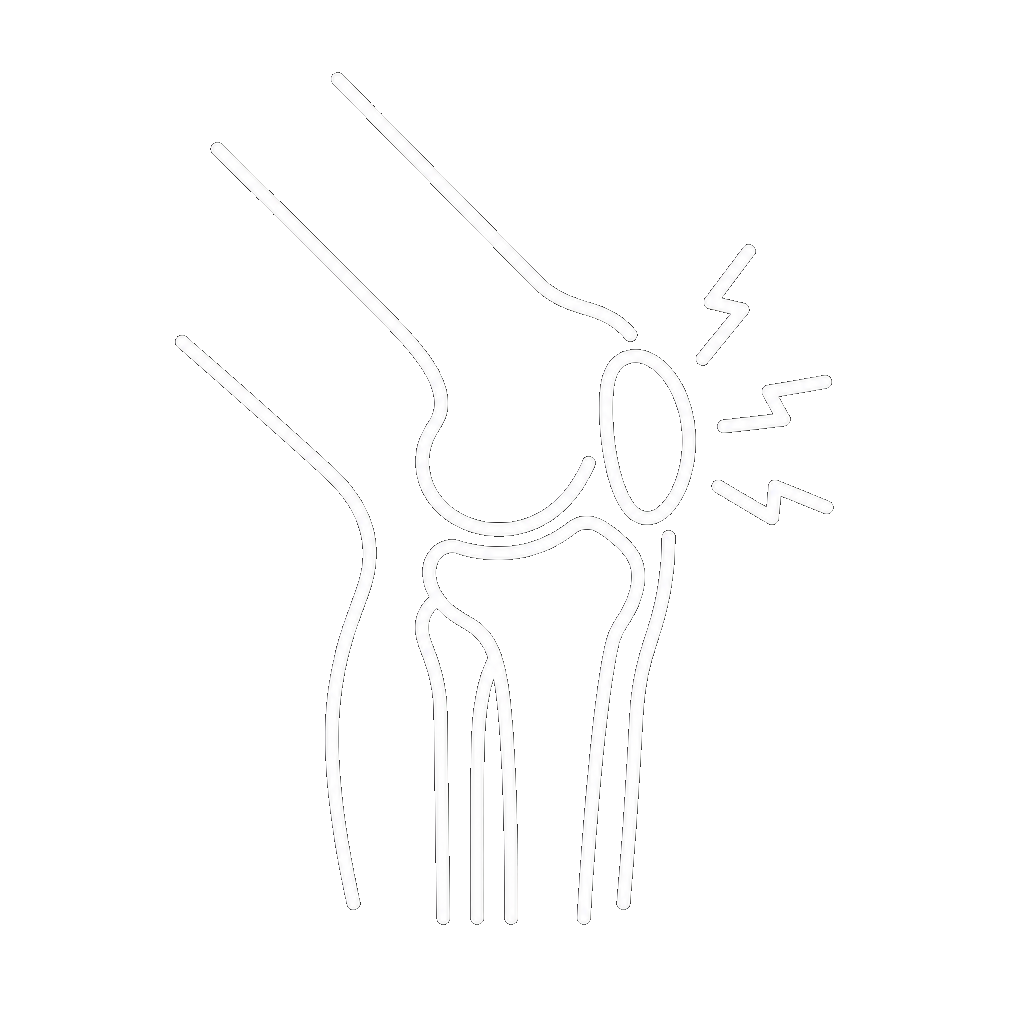
Runner's knee causes pain around or behind the kneecap. Poor hip control, weak glutes or flat foot mechanics can all contribute. We assess your full lower limb to find what is driving the problem. Treatment may include orthotics, footwear advice and a targeted strengthening program.
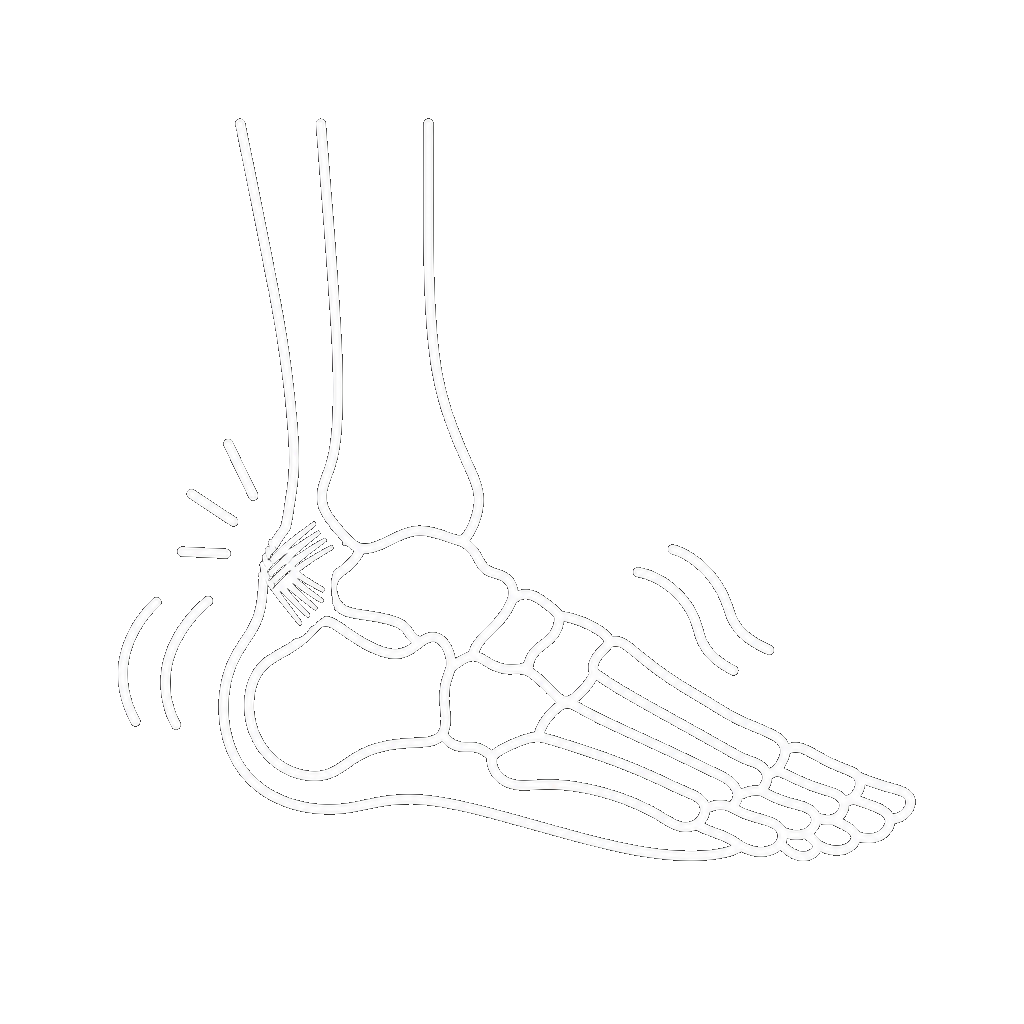
An ankle sprain damages the ligaments on the outside of the ankle. Recurrent sprains often mean the ankle has not been fully rehabilitated after the first injury. We assess ankle stability and prescribe a rehabilitation program to reduce the risk of spraining again..
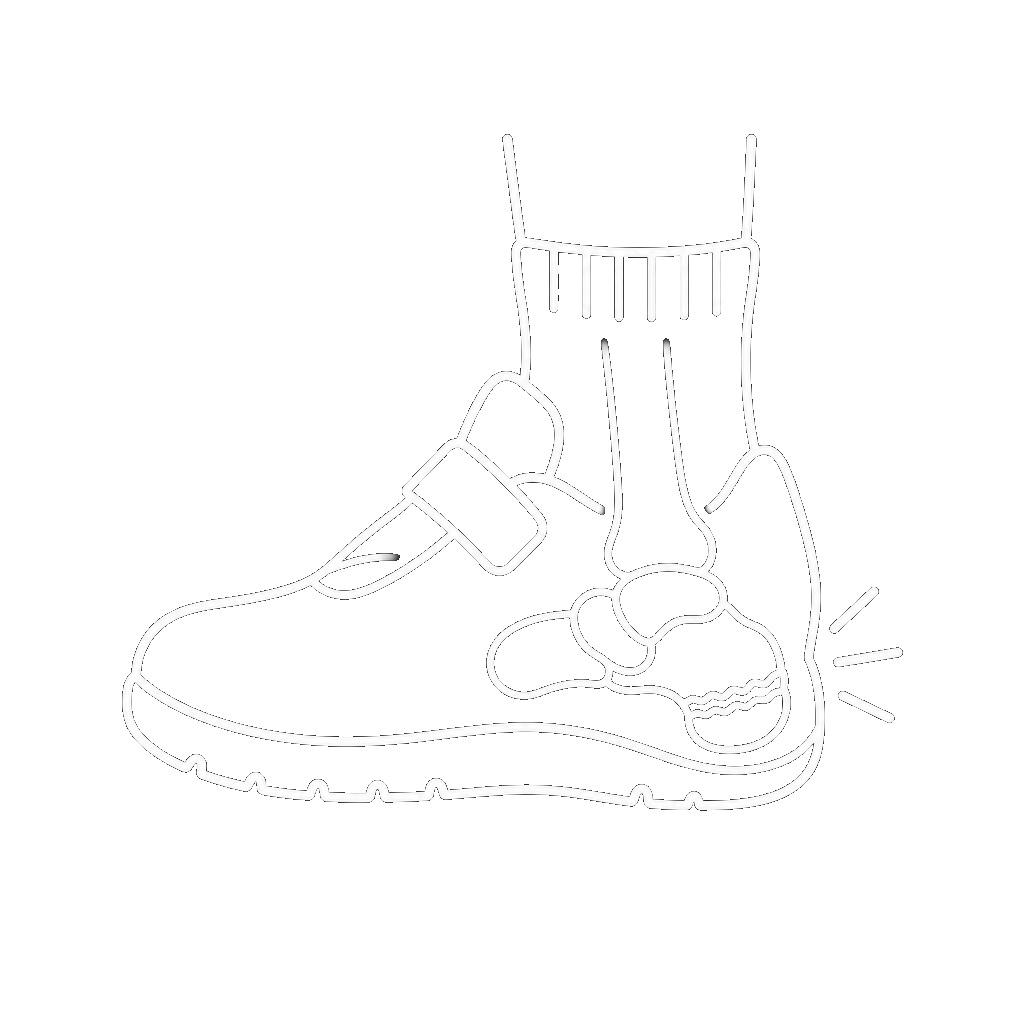
Sever's disease is a growth plate condition causing heel pain in active children, most often between ages 8 and 14. It is not serious, but it does need to be managed. Treatment includes load management, heel padding, footwear advice and stretching programs...
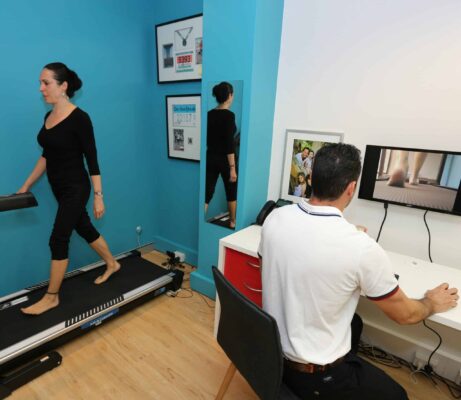
Your first visit runs for about 45 minutes.
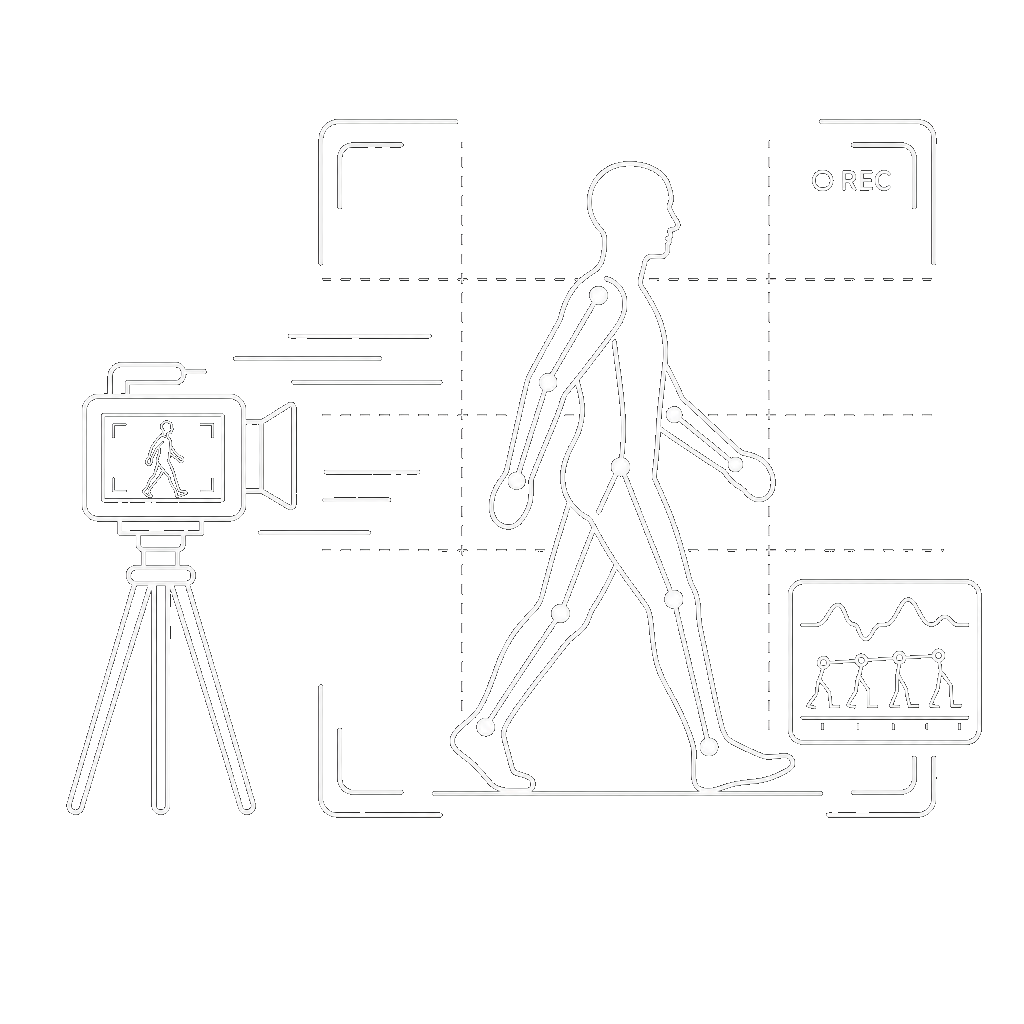
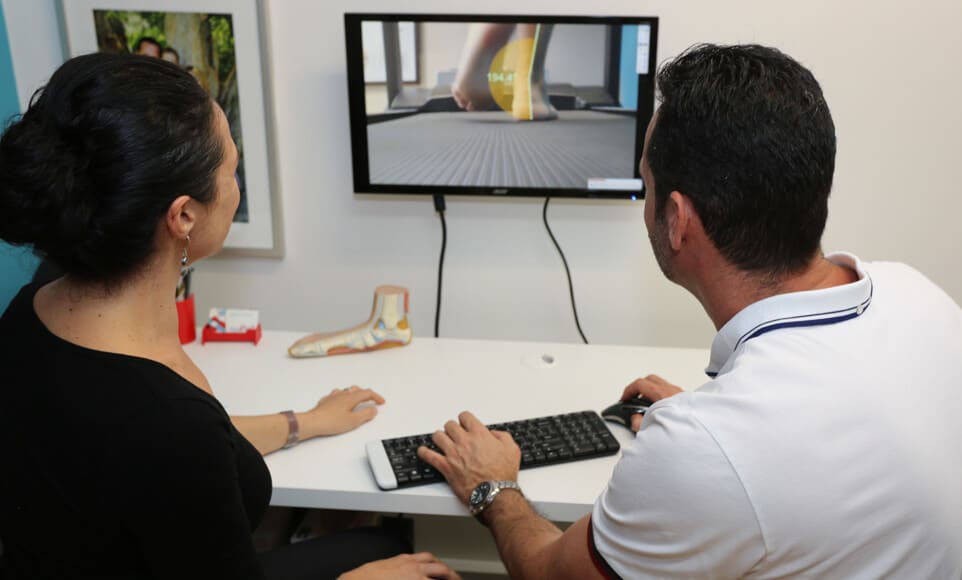
We take a full history — your injury, your sport, your training load and your goals. We then assess your standing posture, foot mechanics and gait. Where needed, we use video gait analysis on a treadmill.
By the end of your visit, you will have a clear diagnosis and a written management plan.


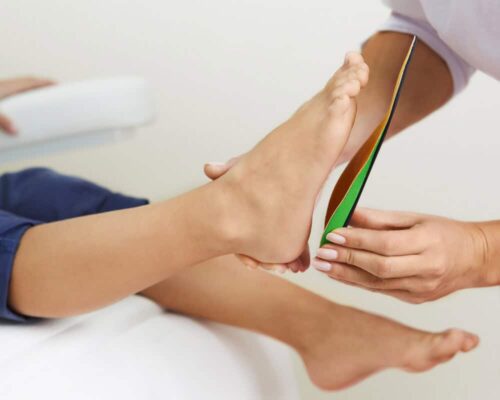
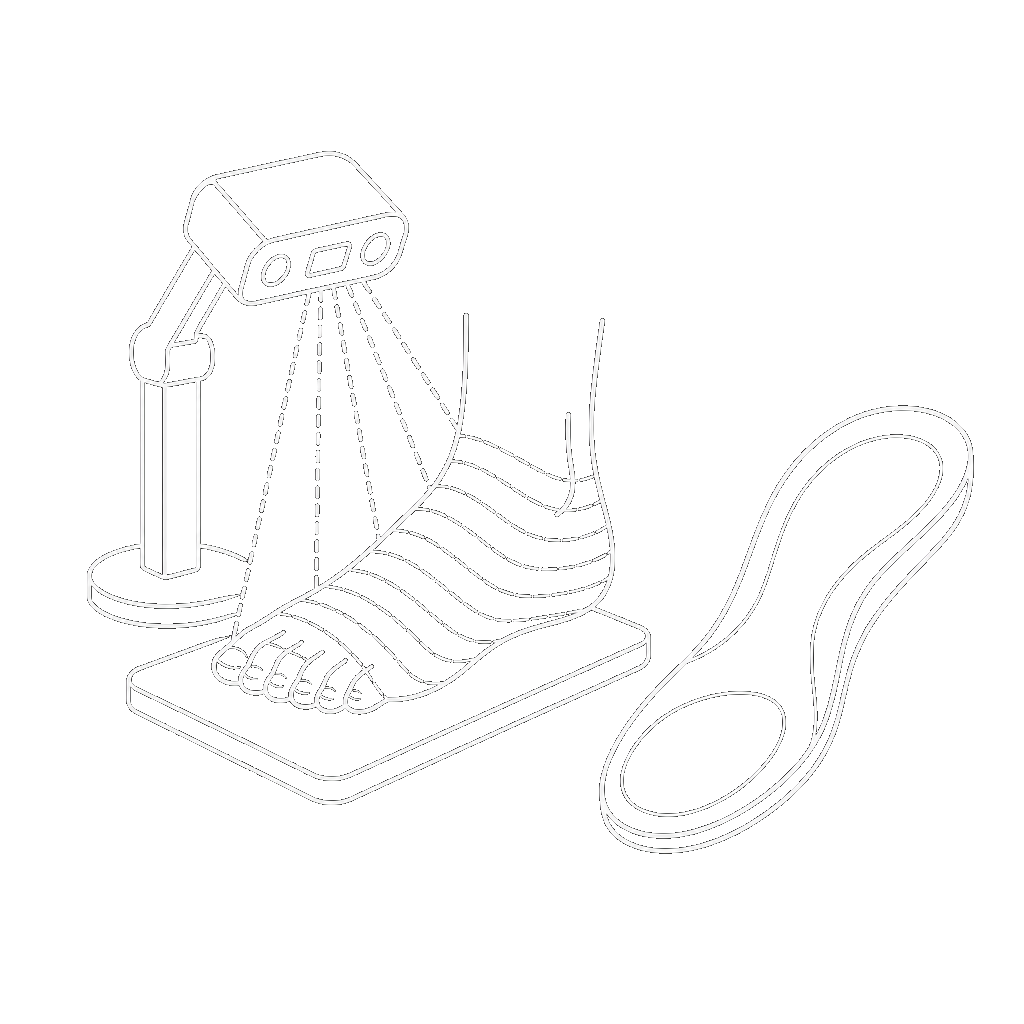
Custom orthotics are devices made to fit your feet. They sit inside your shoe and change the way your foot loads during movement.
Not every athlete needs orthotics. We prescribe them when we find a clear mechanical cause driving your injury. We make orthotics in sport, dress and casual profiles so they fit the shoes you actually wear.
Our clinic is on Hunter Street in Sydney CBD. We are a 3-minute walk from Town Hall and Wynyard stations and close to St James.
We accept private health insurance with on-the-spot rebates.
Do I need a referral to see a sports podiatrist?
No referral is needed to book an appointment. If your GP writes an Enhanced Primary Care (EPC) plan, up to 5 Medicare-subsidised visits may apply.
How many appointments will I need?
Most acute injuries resolve in 3–6 sessions. Chronic or complex conditions may take longer. We give you a realistic estimate at your first visit.
Should I bring my running shoes?
Yes — please do. We assess your current footwear as part of the appointment. Bring the shoes you train in, and any others you wear regularly.
Do you treat children?
Yes. We treat children with growing pains, Sever’s disease and sports injuries. Paediatric appointments run slightly longer.
Is shockwave therapy painful?
Shockwave therapy can feel uncomfortable during the session. Most patients tolerate it well. Discomfort eases quickly after treatment ends.
What is the difference between a sports podiatrist and a physiotherapist?
A sports podiatrist focuses on foot, ankle and lower limb mechanics. A physiotherapist has a broader scope covering the whole body. For many lower limb injuries, the two disciplines work well together — we refer and co-manage when it helps you.