

Heel spurs are a common foot condition that can cause significant discomfort and interfere with daily activities. Many Australians experience heel pain due to spurs, often without realising the underlying cause. At ModPod Podiatry, our Sydney podiatrists treat heel spurs across our clinics in Dee Why, Mosman, Rose Bay, North Ryde, and CBD. Understanding what heel spurs are, what causes them, and how to treat them effectively can help prevent long-term discomfort and complications.
What Are Heel Spurs?
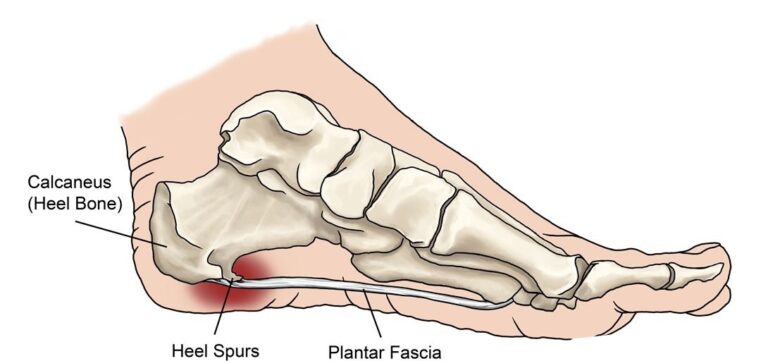
These are bony growths that develop on the underside of the heel bone (calcaneus). These outgrowths are typically caused by calcium deposits that accumulate over time due to repetitive stress or strain on the foot. They often occur alongside plantar fasciitis, a condition that involves inflammation of the plantar fascia—a thick band of tissue that runs along the bottom of the foot.
While heel spurs themselves may not always be painful, they can contribute to heel pain, especially when associated with plantar fasciitis or other foot conditions.
Causes of Heel Spurs
They can develop gradually due to repeated stress on the heel bone and surrounding soft tissues. Common causes include:
1. Plantar Fasciitis
The most common cause of heel spurs is plantar fasciitis. When the plantar fascia becomes inflamed due to excessive strain, it can lead to the formation of spurs over time.
2. Excessive Foot Stress and Overuse
Activities that place excessive stress on the feet, such as running, jumping, or prolonged standing, can lead to the development of heel spurs. Athletes, particularly runners and dancers, are at higher risk.
3. Poor Footwear Choices
Wearing unsupportive or ill-fitting shoes, especially those lacking proper arch support or cushioning, can increase the strain on the heel and contribute to spur formation.
4. Obesity and Excess Weight
Carrying excess body weight puts additional pressure on the heels, increasing the likelihood of heel spurs and other foot problems.
5. Abnormal Gait or Foot Mechanics
Individuals with flat feet, high arches, or an abnormal walking pattern may place uneven stress on the heel bone, increasing the risk of heel spurs.
6. Age-Related Changes
As people age, the natural padding under the heel thins, making the foot more susceptible to conditions like heel spurs.
Symptoms of Heel Spurs
Heel spurs often go unnoticed unless they cause pain or are associated with another condition, such as plantar fasciitis. Common symptoms include:
- Sharp or stabbing heel pain, especially when taking the first steps in the morning or after long periods of rest.
- Tenderness or aching in the heel, which may worsen after prolonged standing or walking.
- Inflammation and swelling at the bottom of the heel.
- A bony protrusion that may be visible on an X-ray but not necessarily palpable.
Diagnosing Heel Spurs in Sydney
A podiatrist can diagnose heel spurs through a physical examination and medical history assessment. In some cases, imaging tests such as X-rays may be used to confirm the presence of a heel spur and rule out other possible causes of heel pain. ModPod Podiatry’s Sydney clinics are equipped with the diagnostic tools needed to pinpoint your exact condition and develop a targeted treatment plan.
Treatment Options for Heel Spurs
While heel spurs themselves do not always require treatment, addressing the underlying causes and managing symptoms is essential for long-term relief. Here are some effective treatment strategies:
1. Rest and Activity Modification
Reducing activities that put excessive strain on the heel can help alleviate pain and prevent further irritation.
2. Supportive Footwear and Orthotics
Wearing shoes with good arch support, cushioning, and shock absorption can reduce stress on the heel. Custom orthotics or heel pads can provide additional support and relief.
3. Stretching and Strengthening Exercises
Regular stretching of the calf muscles, Achilles tendon, and plantar fascia can improve flexibility and reduce tension on the heel.
4. Ice Therapy and Anti-Inflammatory Medication
Applying ice packs to the affected area can help reduce inflammation and relieve pain. Over-the-counter anti-inflammatory medications (such as ibuprofen) may also be beneficial.
5. Physical Therapy
A podiatrist or physiotherapist may recommend specific exercises, manual therapy, or ultrasound treatments to manage symptoms and improve foot function.
6. Shockwave Therapy
Extracorporeal shockwave therapy (ESWT) is a non-invasive treatment that can help stimulate healing in the affected area by promoting blood flow and reducing inflammation.
7. Laser Therapy
Laser therapy is a non-invasive treatment option that uses focused light energy to reduce pain and inflammation associated with heel spurs. This therapy stimulates cellular repair, increases blood circulation, and accelerates healing. It is particularly beneficial for patients who prefer a non-surgical approach to managing their heel pain and can be used alongside other conservative treatments for enhanced results.
8. Corticosteroid Injections
In cases of severe pain, a podiatrist may administer corticosteroid injections to provide temporary relief from inflammation.
9. Surgical Intervention (Rare Cases)
Surgery is rarely required but may be considered if conservative treatments fail. Procedures may involve removing the heel spur or releasing the plantar fascia to reduce strain.
Preventing Heel Spurs
To minimise your risk consider the following preventive measures:
- Wear supportive footwear that provides proper cushioning and arch support.
- Maintain a healthy weight to reduce pressure on your feet.
- Stretch regularly to improve foot flexibility and strength.
- Avoid excessive high-impact activities that strain your heels.
- Use orthotic inserts if you have foot abnormalities that affect gait and posture.
Frequently Asked Questions About Heel Spurs
Are heel spurs the same as plantar fasciitis?
No, but they are closely related. Plantar fasciitis refers to inflammation of the plantar fascia (the band of tissue running under the foot), while a heel spur is a bony growth that can form at the attachment point of the plantar fascia on the heel bone. They often occur together, and the symptoms can feel very similar. Your Sydney podiatrist can help differentiate between the two through examination and imaging.
Do heel spurs always cause pain?
No. In fact, many people have heel spurs without ever experiencing pain — they’re often discovered incidentally on X-rays taken for another reason. Pain typically occurs when the spur irritates surrounding soft tissue, particularly if there is associated plantar fasciitis or bursitis. Treatment focuses on managing symptoms rather than removing the spur in most cases.
How long does heel spur treatment take?
Most patients see significant improvement within 6–12 weeks of conservative treatment (rest, orthotics, stretching, and physiotherapy). More severe or chronic cases may take longer. If symptoms persist beyond 3–6 months of appropriate treatment, your Sydney podiatrist may recommend shockwave therapy, laser therapy, or a referral for further investigation.
Will I need surgery for a heel spur?
Surgery for heel spurs is rarely necessary. The vast majority of patients respond well to conservative, non-surgical management. Surgery is only considered if 6–12 months of comprehensive conservative treatment fails to provide relief. ModPod Podiatry’s team will always exhaust all non-surgical options before considering a surgical referral.
What is the best footwear for heel spurs?
The best footwear for heel spurs provides good arch support, firm heel counter, and adequate cushioning in the heel area. Look for supportive athletic shoes or walking shoes with built-in arch support. Avoid flat shoes, thongs, or high heels. Custom orthotics from a podiatrist can also significantly improve comfort and support, especially for people with flat feet or high arches.
Can shockwave therapy help my heel spurs?
Yes. Extracorporeal shockwave therapy (ESWT) is an evidence-based treatment for chronic heel pain associated with heel spurs and plantar fasciitis. It works by stimulating healing in the affected tissue through targeted sound waves. ModPod Podiatry offers shockwave therapy at several Sydney locations including Dee Why and Mosman. Results are typically seen after 3–5 sessions.
How much does it cost to see a podiatrist for heel spurs in Sydney?
Podiatry consultation fees at ModPod Podiatry vary depending on the type and length of appointment. Medicare rebates are available if you have a GP Management Plan (GPMP) for a chronic condition. Most private health insurance extras policies also cover podiatry. Contact our friendly reception team on (02) 9960 3981 for current pricing information.
Book Your Heel Spur Assessment in Sydney
At ModPod Podiatry, our experienced Sydney podiatrists provide expert diagnosis and personalised treatment plans for heel spurs and other foot conditions. If you’re experiencing persistent heel pain, don’t wait — early treatment leads to faster recovery.
Book your appointment online today at our Dee Why, Mosman, Rose Bay, North Ryde, or CBD (Hunter Street) clinic. Take the first step toward pain-free feet!