

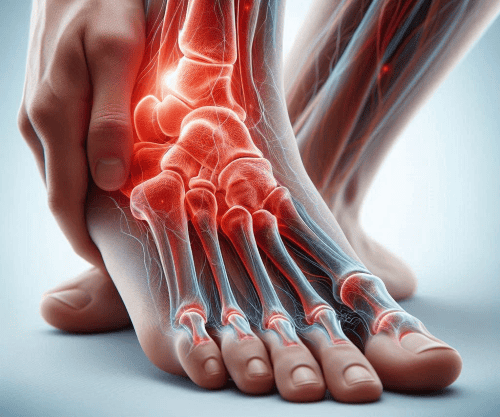
Experiencing pain on the top of your foot can be frustrating and impact your ability to walk, exercise, and carry out daily activities. This type of discomfort may develop suddenly due to an injury or progress gradually as a result of underlying conditions. At ModPod Podiatry, our Sydney podiatrists regularly treat top-of-foot pain at our clinics in Dee Why, Mosman, Rose Bay, North Ryde, and CBD. Understanding the causes, treatment options, and preventive measures for pain on the top of the foot is essential for maintaining foot health and overall well-being.
Common Causes of Pain on the Top of the Foot
Pain dorsal (top) aspect of the foot can stem from various factors, ranging from minor injuries to more serious medical conditions. Below are some of the most common causes:
1. Extensor Tendonitis
The extensor tendons run along the top of the foot and are responsible for lifting the toes. Overuse, wearing tight shoes, or excessive exercise can lead to inflammation of these tendons, resulting in pain and swelling.
2. Stress Fractures
Small cracks in the bones of the foot, known as stress fractures, can occur due to repetitive impact from activities like running, jumping, or prolonged standing. These fractures often cause pain and tenderness that worsens with activity.
3. Nerve Compression (Pinched Nerve)
Compression of the nerves in the foot, such as the deep peroneal nerve or Morton’s Neuroma can cause pain, tingling, or numbness on the top of the foot. This can be a result of tight footwear, swelling, or repetitive movements.
4. Arthritis
Osteoarthritis and rheumatoid arthritis can cause joint pain and stiffness in the foot. The midfoot joints, located on the top of the foot, can be affected, leading to discomfort and difficulty with mobility.
5. Ganglion Cysts
Fluid-filled lumps known as ganglion cysts can develop on the tendons or joints of the foot. While they are usually harmless, they can cause pain and discomfort if they press against nearby nerves.
6. Tight Footwear
Shoes that are too tight or have rigid uppers can put pressure on the top of the foot, leading to pain and inflammation. This is particularly common among individuals who wear ill-fitting work boots, high heels, or restrictive athletic shoes.
7. Midfoot Injury (Lisfranc Injury)
A Lisfranc injury occurs when the ligaments or bones in the midfoot are damaged, often due to twisting motions or heavy impact. This injury can be severe and requires prompt medical attention.
8. Gout
Gout is a form of arthritis caused by the buildup of uric acid crystals in the joints. It often affects the big toe but can also cause pain in the midfoot region, including the top of the foot.
Treatment Options for Top-of-Foot Pain in Sydney
The appropriate treatment for top-of-foot pain depends on the underlying cause. Below are some common treatment methods:
1. Rest and Ice Therapy
If pain is due to overuse or minor injuries, resting the foot and applying ice packs can help reduce swelling and inflammation.
2. Proper Footwear
Wearing supportive, well-fitted shoes with a roomy toe box can prevent unnecessary pressure on the top of the foot. Custom orthotics may also provide additional support.
3. Orthotics
Prescription orthotics can help but addressing abnormal gait patterns and reducing compression at the top of the foot.
4. Stretching and Strengthening Exercises
Gentle foot and calf stretches can relieve tension in the extensor tendons and improve flexibility. Strengthening exercises can also help prevent future injuries.
5. Compression and Elevation
If swelling is present, using a compression bandage and keeping the foot elevated can help reduce inflammation and discomfort.
6. Physical Therapy
A podiatrist or physiotherapist can recommend targeted exercises and treatments to address specific foot issues and improve mobility.
7. Corticosteroid Injections
For severe inflammation, corticosteroid injections may be recommended to provide relief, particularly in cases of arthritis or nerve compression.
8. Surgery (If Necessary)
In rare cases where conservative treatments fail, surgical intervention may be required, such as in the case of severe arthritis, nerve compression, or fractures.
Preventing Pain on the Top of the Foot
While some causes of foot pain are unavoidable, there are several steps you can take to reduce your risk:
- Choose Supportive Footwear: Avoid tight or rigid shoes and opt for options with proper arch support and cushioning.
- Gradually Increase Activity Levels: Avoid overloading your feet with sudden increases in exercise intensity.
- Maintain a Healthy Weight: Excess weight puts additional strain on the feet, increasing the risk of foot pain.
- Stretch and Strengthen Your Feet: Regular stretching and strengthening exercises can improve foot flexibility and resilience.
- Monitor Foot Health: If you notice any lumps, swelling, or persistent pain, consult a podiatrist promptly to prevent complications.
Frequently Asked Questions About Pain on Top of Foot
Why does the top of my foot hurt when I walk?
Pain on the top of the foot during walking is most commonly caused by extensor tendonitis (inflamed tendons), a stress fracture, or tight footwear compressing the nerves. The pain may be sharp, burning, or aching. It’s important to have persistent walking-related foot pain assessed by a podiatrist, as the cause determines the correct treatment. ModPod Podiatry’s Sydney clinics offer prompt assessments and tailored treatment plans.
How do I treat extensor tendonitis at home?
For mild extensor tendonitis, initial home treatment includes rest (reduce high-impact activities), applying ice for 15–20 minutes several times daily, gentle stretching of the calf and foot, and switching to better-fitting shoes with more room across the top. If symptoms persist beyond 1–2 weeks, professional assessment is recommended to prevent the condition from becoming chronic.
Can tight shoes cause pain on top of foot?
Yes — this is very common. Shoes with tight lacing, rigid uppers, or insufficient toe box depth place direct pressure on the top of the foot, compressing tendons and nerves. Switching to properly fitted, supportive footwear often provides significant relief. Our podiatrists at ModPod Podiatry Sydney can provide professional footwear advice as part of your consultation.
What does a stress fracture in the foot feel like?
A stress fracture typically causes localised pain and tenderness that worsens with activity and improves with rest. There may also be mild swelling. The pain often develops gradually rather than suddenly. If you suspect a stress fracture (particularly if you’ve recently increased exercise intensity or are a runner), seek assessment promptly — stress fractures require proper management to heal fully and avoid complications.
Do I need imaging to diagnose pain on top of the foot?
Not always. Many conditions causing top-of-foot pain can be diagnosed through a thorough clinical examination by an experienced podiatrist. However, when a stress fracture, Lisfranc injury, or significant bony change is suspected, imaging (X-ray, MRI, or CT scan) may be recommended for confirmation. Your ModPod podiatrist will advise if imaging is necessary.
When should I see a podiatrist for top of foot pain?
See a podiatrist if: pain has been present for more than 1–2 weeks, it’s getting worse rather than better, you notice swelling or bruising, the pain is affecting your ability to walk or exercise, or home treatments haven’t provided relief. At ModPod Podiatry, we offer same-week appointments at clinics across Sydney including Dee Why, Mosman, and North Ryde.
Book Your Foot Pain Assessment in Sydney
At ModPod Podiatry, our expert Sydney team is dedicated to diagnosing and treating all types of foot pain, including pain on the top of the foot. We offer tailored treatment plans to help you regain comfort and mobility.
Don’t let foot pain hold you back. Book your appointment online today at our Dee Why, Mosman, Rose Bay, North Ryde, or CBD (Hunter Street) Sydney clinic and take the first step towards relief.