

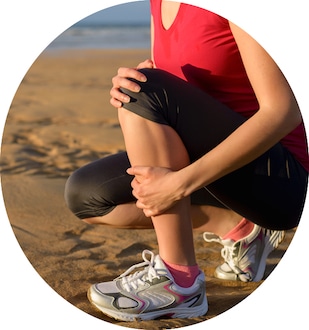
A shin cramp is a sudden, involuntary tightening of the muscles at the front or side of your lower leg. It can stop you mid-stride and leave the area sore for hours afterwards.
Most shin cramps are harmless. They pass on their own or with a quick stretch. But if you get a cramp in your shin often — during walks, runs, or even at rest — something deeper may be going on.
This guide covers what causes shin cramps, how to treat them at home, and when it makes sense to see a podiatrist.
What Causes Shin Cramps?
Shin cramps happen when the muscles along your tibia contract and refuse to relax. Several things can trigger this:
Muscle fatigue Overworked muscles cramp more. If you’ve increased your training volume or spent a long day on your feet, the tibialis anterior (the main muscle at the front of your shin) can seize up.
Dehydration Your muscles need fluid to contract and relax. Even mild dehydration changes the balance of minerals in your muscle cells and makes cramping more likely.
Electrolyte imbalance Sodium, potassium, magnesium, and calcium all play a role in muscle function. Low levels of any of these — from sweating, poor diet, or illness — can cause a cramp in the front of your shin.
Poor circulation Reduced blood flow to the lower legs starves muscles of oxygen. This is more common in older adults or people who sit for long periods.
Tight calves When your calf muscles (gastrocnemius and soleus) are tight, the muscles at the front of your shin have to work harder to lift your foot. That extra load leads to fatigue and cramping.
Flat feet and overpronation Feet that roll inward place extra strain on the shin muscles with every step. Over time, this repetitive stress makes cramps more frequent. A podiatrist can assess your foot mechanics with a digital video analysis to check for this.
Improper footwear Worn-out shoes or shoes without enough support force your shin muscles to compensate. This is one of the most common — and most fixable — shin cramp causes.
Shin Cramps vs Shin Splints
People often confuse these two conditions. They affect the same area, but they are different problems.
A shin cramp is an acute, involuntary muscle contraction. It comes on fast, hurts while the muscle is locked, and eases once the muscle relaxes. There is no lasting structural damage.
Shin splints (medial tibial stress syndrome) are an overuse injury. The pain builds over days or weeks, feels like a dull ache along the inner edge of your shinbone, and gets worse with activity. Shin splints involve inflammation of the muscle, tendon, and bone tissue.
The key difference: cramps are a muscle event. Shin splints are a tissue injury.
If your shin pain lingers between sessions or hurts when you press along the bone, you may be dealing with shin splints rather than cramps. Read our guide to shin splints treatment for a full breakdown of causes, diagnosis, and recovery options.
How to Treat Shin Cramps at Home
When a cramp strikes, these steps help the muscle release:
Stretch the muscle Sit down and point your toes away from you, then pull them back toward your knee. Hold for 20–30 seconds. This lengthens the tibialis anterior and encourages the cramp to let go.
Massage the area Use your thumbs to apply firm pressure along the cramping muscle. Work from the ankle upward toward the knee. This improves blood flow and helps the muscle relax.
Apply heat or ice A warm towel or heat pack on the shin can ease a cramp in progress. After it passes, ice for 10–15 minutes can reduce any residual soreness.
Hydrate Drink water — and if you’ve been sweating, add an electrolyte drink. Rehydrating addresses one of the most common triggers.
Replace electrolytes If cramps keep coming back, look at your diet. Bananas (potassium), leafy greens (magnesium), dairy (calcium), and salted foods (sodium) all support healthy muscle function.
How to Prevent Shin Cramps
Prevention is simpler than most people expect:
- Stay hydrated. Drink water throughout the day, not just during exercise.
- Stretch your calves and shins daily. Tight calves are a major contributor. Spend 2–3 minutes stretching after every workout.
- Wear proper footwear. Replace running shoes every 600–800 km. Make sure your everyday shoes provide arch support.
- Increase training load bit by bit. Follow the 10% rule — don’t add more than 10% to your weekly distance or intensity.
- Warm up before activity. Five minutes of light walking or dynamic stretching prepares your muscles for load.
Not sure what’s causing your cramps? Try our shin splint quiz to narrow down the issue.
When to See a Podiatrist
Home treatment works for the occasional cramp. But see a podiatrist if you notice:
- Frequent cramps — more than once or twice a week
- Cramps during normal activity — walking, standing, or climbing stairs
- Cramps paired with foot pain, arch pain, or flat feet
- No improvement after fixing hydration, footwear, and stretching habits
These patterns suggest a biomechanical cause. Your foot structure or gait may be placing abnormal load on your shin muscles. A podiatrist can run a digital video analysis to pinpoint the problem.
If overpronation or poor foot mechanics are involved, custom orthotics can reduce the strain on your shins by correcting how force travels through your feet and legs. This treats the root cause — not just the symptom.
Get Help from a Sydney Podiatrist
If shin cramps are disrupting your training or daily life, the team at ModPod Podiatry can help. We assess your lower limb biomechanics, identify what’s driving the cramps, and build a treatment plan that fits your activity level.
We have 5 clinics across Sydney:
- CBD — Suite 506, 66 Hunter Street, Sydney NSW 2000
- Mosman — 2/59 Harbour St, Mosman
- Dee Why — Suite 4103/834 Pittwater Road, Dee Why NSW 2099
- Rose Bay — 668a New South Head Road, Rose Bay NSW 2029
- North Ryde — 136 Coxs Road, North Ryde NSW 2113
📞 Call us on (02) 9960 3981 or book online to get started.
Take our free shin splint quiz to find out what might be causing your pain.

