

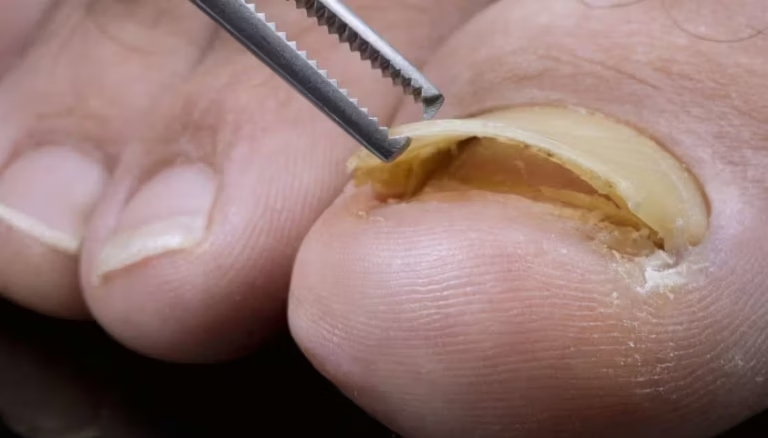
A toenail that separates or falls off can be alarming — especially when there’s no obvious injury. The good news: toenails almost always grow back. But understanding why it happened matters, because the right response depends on the cause.
At ModPod Podiatry, we treat nail problems across our five Sydney clinics (Dee Why, Mosman, Rose Bay, North Ryde and the CBD). This article explains the most common reasons toenails fall off, how to manage it at home, and when to see a podiatrist.
What Does It Mean When a Toenail Falls Off?
When a toenail separates from the nail bed, it’s called onycholysis. The nail lifts away — sometimes over weeks, sometimes all at once — depending on the cause.
If your toenail has come off, the nail bed underneath is exposed and vulnerable. Keeping it clean and protected gives the new nail the best chance of growing back healthy.
7 Common Causes of Toenail Loss
1. Trauma or Injury
This is the most common cause. Stubbing your toe, dropping something heavy on your foot, or repetitive impact from running, hiking or football can all damage the nail enough for it to separate.
If nail loss keeps happening during sport or exercise, a biomechanical assessment can identify gait issues that put extra load on your toes.
2. Fungal Nail Infection
A long-standing fungal infection weakens the bond between nail and nail bed. The nail thickens, crumbles and can lift off over time. You might also notice yellowing or a bad smell.
If you suspect a fungal infection is behind your nail loss, try our free AI Nail Scanner for a quick self-check. You can also read more about what fungal nails look like to compare your symptoms.
ModPod offers several treatment options for fungal nails — see our fungal nail treatment page for details.
3. Footwear Pressure
Tight shoes, steel-cap boots, ski boots and high heels create repeated pressure on the nail plate. Over time, this causes bruising under the nail (subungual haematoma) and eventual separation — even without a single dramatic injury.
If your foot shape or toe alignment contributes to the problem, custom orthotics can help redistribute pressure away from the toes.
4. Psoriasis or Skin Conditions
Psoriasis can cause pitting, ridging and separation of the nail plate. Other inflammatory skin conditions affect nail stability in similar ways. If you have a known skin condition and notice nail changes, mention it to your podiatrist.
5. Bacterial Infection
A bacterial infection around the nail fold (paronychia) causes swelling, pain and sometimes pus. The inflammation can lift the nail until it detaches. This needs prompt treatment to prevent the infection from spreading.
6. Repeated Moisture Exposure
Constant dampness from sweaty feet, swimming or wet work environments softens the nail plate. Over time, the softened nail is more likely to separate from the nail bed.
If you also notice skin peeling or itching between your toes, you may be dealing with athlete’s foot alongside your nail problem.
7. Systemic Illness or Medications
Less common, but worth knowing: thyroid disorders, circulation problems and certain medications (including chemotherapy drugs) can cause nail loss. If your toenails are falling off without any local cause, your podiatrist may recommend further medical investigation.
What to Do If Your Toenail Is Falling Off
Here’s how to manage it at home:
- Don’t pull the nail off. Even if it’s hanging, let it separate on its own. Forcing it can damage the nail bed and delay regrowth.
- Keep the area clean and dry. Apply antiseptic and cover with a bandage.
- Wear roomy shoes. Avoid tight footwear that puts pressure on the affected toe.
- Trim loose edges with care. If part of the nail catches on socks, trim it with clean, sterile scissors — but don’t force anything.
When to See a Podiatrist
Book an appointment if:
- There is significant pain, swelling or bleeding
- You notice signs of infection — redness, warmth or pus
- The nail fell off for no clear reason
- You have diabetes or circulation problems
- You keep losing the same toenail
A podiatrist can assess the nail bed, identify the cause, treat any infection and advise on how to support healthy regrowth.
Frequently Asked Questions
Is it normal for a toenail to fall off?
Toenail loss is common, especially in athletes and people with fungal infections. It looks worse than it is — toenails almost always grow back. That said, if it keeps happening or there’s no obvious cause, have it assessed by a podiatrist.
How long does it take for a toenail to grow back?
Between 6 and 18 months for a full regrowth. Big toenails take the longest. Keeping the nail bed clean and addressing the underlying cause gives the new nail the best chance of growing back with normal shape and thickness.
Should I see a podiatrist if my toenail falls off?
Yes — especially if there’s pain, swelling, infection, or you can’t identify the cause. A podiatrist can protect the nail bed, diagnose the problem and guide you through recovery.
Can tight shoes cause toenails to fall off?
Yes. Shoes that are too tight create repeated micro-trauma, especially on the big toe and second toe. This causes bruising under the nail and eventual separation. Make sure your shoes have enough room in the toe box — a thumb’s width of space at the front is a good guide.
What is the best way to care for a toe after the nail falls off?
Keep it clean, dry and covered. Apply antiseptic and wear open-toed or roomy shoes to reduce pressure. Don’t pick at the nail bed. If you see signs of infection, see a podiatrist.
Can fungal infections cause toenails to fall off?
Yes. Advanced fungal infections cause the nail to thicken, crumble and detach from the nail bed. If you notice yellowing, thickening or an unusual smell alongside nail separation, it’s worth getting assessed. Read more about what causes toenail fungus and explore your treatment options.
Will my toenail grow back after falling off?
In most cases, yes. As long as the nail matrix (where new nail cells form) is intact, the nail will regrow. Repeated trauma or severe infection can sometimes cause permanent changes to nail shape or texture — which is why early treatment matters. If you’re curious whether a damaged nail will recover on its own, read our article on whether fungal nails grow out.
Concerned about a toenail that’s falling off? The podiatry team at ModPod Podiatry can assess your nail, identify the cause and start treatment the same day. Want to know if a fungal infection is involved? See our fungal nail treatment options or call (02) 9960 3981 to book at any of our Sydney clinics.

