

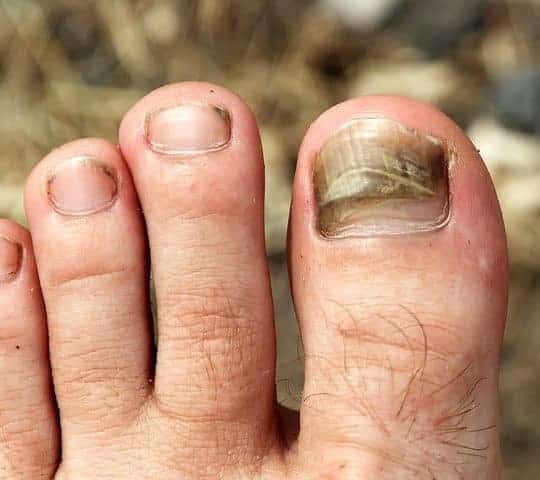
What Causes Toenail Fungus?
Toenail fungus (onychomycosis) is caused by microscopic organisms that thrive in warm, moist environments. They enter through tiny cracks in the nail or surrounding skin — often so small you can’t see them.
Once inside, these organisms feed on keratin, the protein that makes up your nail. The infection spreads slowly, which is why most people don’t notice it until the nail starts changing colour or texture.
If your nails already look different and you want a quick check, try our AI Nail Scanner — it takes 30 seconds.
The Three Types of Fungi That Cause Nail Infections
Dermatophytes
Dermatophytes cause the majority of toenail fungal infections. These fungi live on dead tissue — skin, hair and nails. Trichophyton rubrum is the most common species. It’s the same group of fungi responsible for athlete’s foot, and in many cases, that’s exactly where the nail infection starts.
Yeasts
Candida species can infect nails, though this is more common in fingernails than toenails. Yeast infections are more likely in people with weakened immune systems or those whose hands are frequently in water.
Moulds
Non-dermatophyte moulds can also infect nails, though they account for a smaller percentage of cases. They’re more common in tropical and subtropical climates.
How Does Toenail Fungus Spread?
Fungal spores are everywhere — floors, shoes, showers, soil. You don’t need direct contact with an infected person to pick up an infection. Here’s how it happens:
Skin-to-Surface Contact
Walking barefoot in communal areas like gym showers, swimming pool decks and changing rooms puts your feet in direct contact with fungal spores. These spores can survive on surfaces for months.
Athlete’s Foot Spreading to Nails
This is one of the most common pathways. An untreated athlete’s foot infection on the skin between your toes migrates to the nail bed. If you’ve had recurring athlete’s foot, your nails are at higher risk.
Shared Items
Nail clippers, files and shoes can transfer fungal spores from one person to another. This includes salon equipment that hasn’t been properly sterilised.
Want to know whether fungal nails can spread to other parts of your body? Read our post on whether toenail fungus is contagious to fingernails.
Risk Factors — Who Gets Toenail Fungus?
Anyone can develop a fungal nail infection, but certain factors make it more likely.
Age
Fungal nail infections become more common with age. Nails grow slower as you get older, giving the fungus more time to establish. Reduced blood circulation to the feet also plays a role. Over 50? Your risk increases.
Sweaty Feet and Enclosed Shoes
Fungi love moisture. If your feet sweat heavily or you spend long hours in enclosed shoes — work boots, sports shoes, safety footwear — you’re creating the perfect environment for fungal growth.
Minor Nail or Skin Injuries
A stubbed toe, a nail trimmed too short, or a small cut near the nail gives fungi a way in. Even micro-trauma from tight shoes or repetitive impact (running, hiking) can create entry points.
Nails that have separated or are falling off for other reasons are also vulnerable. Read more about why toenails fall off and when fungus might be the cause.
Diabetes and Circulation Problems
Diabetes reduces blood flow to the feet and can impair your immune response. Both factors make it harder for your body to fight fungal infections and easier for them to take hold.
Weakened Immune System
Conditions that suppress the immune system — HIV, autoimmune diseases, chemotherapy — increase susceptibility to all fungal infections, including nail infections.
Previous Fungal Infections
If you’ve had a fungal nail infection before, you’re more likely to get another one. The fungus can persist in surrounding skin or shoes even after the nail looks healthy.
Psoriasis
Nail psoriasis can cause pitting, thickening and separation of the nail — all of which make the nail more vulnerable to secondary fungal infection. The two conditions can also look similar, which makes accurate diagnosis important.
How to Reduce Your Risk
You can’t eliminate all exposure to fungal spores, but you can reduce the chances of infection:
- Dry your feet thoroughly after showering, especially between the toes
- Wear thongs or sandals in communal showers, pools and changing rooms
- Change socks daily — more often if your feet sweat heavily
- Choose breathable shoes and rotate pairs so they dry out between wears
- Treat athlete’s foot early before it spreads to your nails
- Don’t share nail clippers, files or shoes
- Keep nails trimmed straight across — not too short
When to See a Podiatrist
If your nail has changed colour, thickened, become brittle or started separating from the nail bed, it’s worth getting assessed. These changes don’t always mean fungus — other conditions like psoriasis, trauma or bacterial infection can look similar.
At Modpod, your podiatrist examines your nails under magnification and reviews your history at your first visit. Visual diagnosis by an experienced podiatrist is more reliable than lab cultures, which take weeks and often return false negatives. If it is fungal, treatment starts the same day.
Read about all your treatment options or book an appointment at any of our 5 Sydney clinics.
Frequently Asked Questions
Can toenail fungus go away on its own?
No. Fungal nail infections don’t resolve without treatment. The infection will continue to spread through the nail and may affect other nails. Early treatment gives you the best chance of a full recovery.
Is toenail fungus caused by poor hygiene?
Not necessarily. Good hygiene helps reduce risk, but fungal spores are everywhere. Athletes, older adults and people with diabetes get fungal nails regardless of how clean they keep their feet. It’s about exposure and susceptibility, not cleanliness.
Can nail polish cause toenail fungus?
Nail polish doesn’t cause fungal infections, but it can hide early signs of one. Dark polish also traps moisture against the nail. If you wear polish regularly, remove it periodically to check your nails.
Does athlete’s foot always lead to toenail fungus?
Not always, but untreated athlete’s foot is one of the most common causes of toenail fungal infections. The same fungi responsible for athlete’s foot can migrate to the nail bed. Treating athlete’s foot early is one of the best ways to protect your nails.
How long does it take for toenail fungus to develop?
It varies. You might not notice any changes for weeks or months after initial exposure. Toenails grow slowly — about 1mm per month — so the infection can be well established before visible symptoms appear.