
Your child’s feet carry them through every stage of growth — from first steps to school sport and beyond. At ModPod Podiatry, our team treats children of all ages across five Sydney clinics in the CBD, Mosman, Rose Bay, Dee Why and North Ryde. Whether you’ve noticed something that concerns you or just want a professional check-up, we’re here to help.
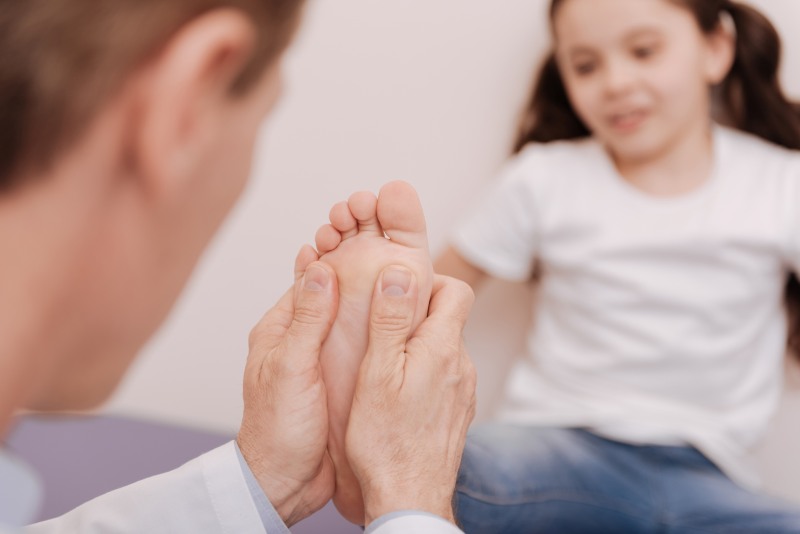
Your child’s feet carry them through every stage of growth — from first steps to school sport and beyond. At ModPod Podiatry, our team treats children of all ages across five Sydney clinics in the CBD, Mosman, Rose Bay, Dee Why and North Ryde. Whether you’ve noticed something that concerns you or just want a professional check-up, we’re here to help.
Why Children's Feet Need Specialist Care
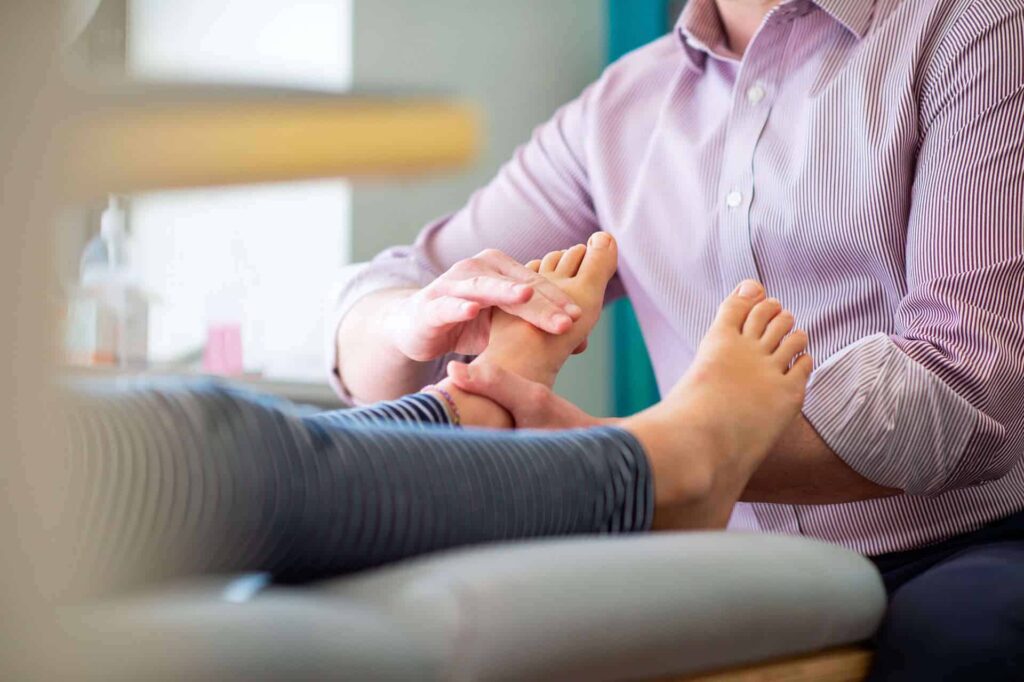
Children’s feet are not small adult feet. At birth, most of the foot is soft cartilage. Bones don’t finish forming until the mid-to-late teens. Growth plates sit at the ends of developing bones and are vulnerable to stress and injury.
Young children often can’t describe pain or discomfort well. They may limp, avoid activity, or ask to be carried — without ever saying their feet hurt. A trained children’s podiatrist knows what to look for and can spot problems before they affect your child’s movement, posture or confidence.
When Should Your Child See a Podiatrist?
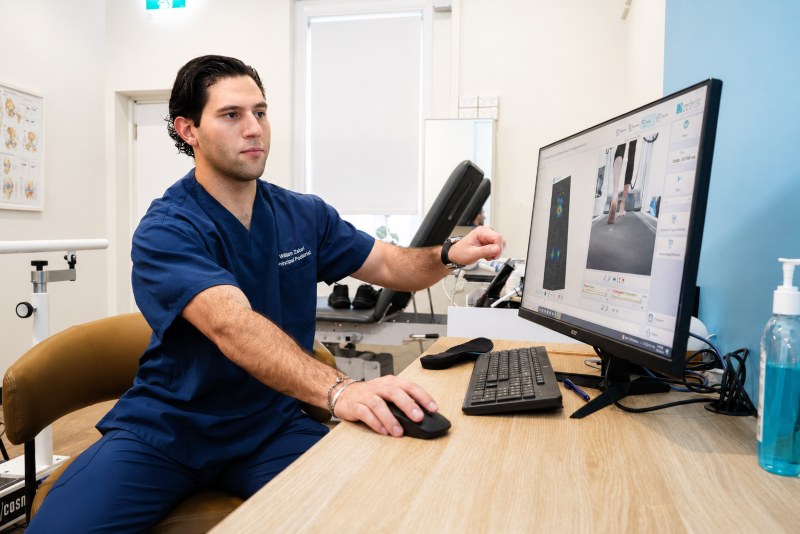
You don’t need to wait for a problem to have your child’s feet checked. We recommend routine screening at these key stages of development:
- 12 months — when your child begins to stand and cruise
- 18 months — once walking is established
- 3 years — running, jumping and climbing are developing
- 7 years — the foot arch should be forming
- 12 years — growth spurts increase injury risk
Between these milestones, book an appointment if you notice any of the following:
- Pain in the feet, legs or knees
- Frequent tripping or falling
- Walking on toes past age 2
- Feet turning in or out
- Uneven shoe wear
- Reluctance to join physical activity
- Skin or nail concerns (warts, ingrown nails)
Early assessment gives us the best chance to guide healthy development — and if everything looks fine, we’ll tell you.
Common Conditions In Children

Flat Feet
Flat feet are normal in toddlers. The arch develops over time and is usually visible by age 5 or 6. If flat feet persist beyond this age, cause pain or affect the way your child walks, a podiatry assessment can determine whether treatment such as custom orthotics is needed.

In-toeing (pigeon toes) is common in young children and usually resolves on its own. If it persists past age 3–4, causes tripping or affects one side more than the other, we recommend an assessment to check the hip, shin and foot alignment.
Toe Walking
Walking on tiptoes is normal for children under 2. If your child continues to toe walk beyond this age, it may indicate a short Achilles tendon or other underlying issue. We assess range of motion, muscle tightness and walking patterns to find the cause.
Sever’s disease is the most common cause of heel pain in children aged 8 to 14. It happens when the growth plate at the back of the heel becomes inflamed — often during growth spurts or increased sport. It’s not a disease in the traditional sense, and it responds well to treatment.
Growing Pains
“Growing pains” is a label that sometimes masks real biomechanical problems. Aching legs at night, sore knees or tired feet after activity can point to issues with foot posture, muscle imbalance or overuse. If your child complains of regular pain, it’s worth having their feet and legs assessed.

Knock Knees and Bow Legs
Bow legs in toddlers and knock knees in preschoolers are part of normal development. Most children straighten out by age 7 or 8. If the alignment doesn’t improve, is severe or causes pain, we can assess whether intervention is needed.

Ingrown toenails in children are often caused by tight shoes or improper nail cutting. They can become painful and infected. Our team treats ingrown toenails gently, and for recurring cases, we offer a minor procedure to prevent them from coming back. Read more about ingrown toenail removal

Warts
Plantar warts are caused by a virus and are common in school-aged children. They can spread and become painful if left untreated. We offer safe, effective treatment options suitable for kids
How We Assess and Treat Children's Feet
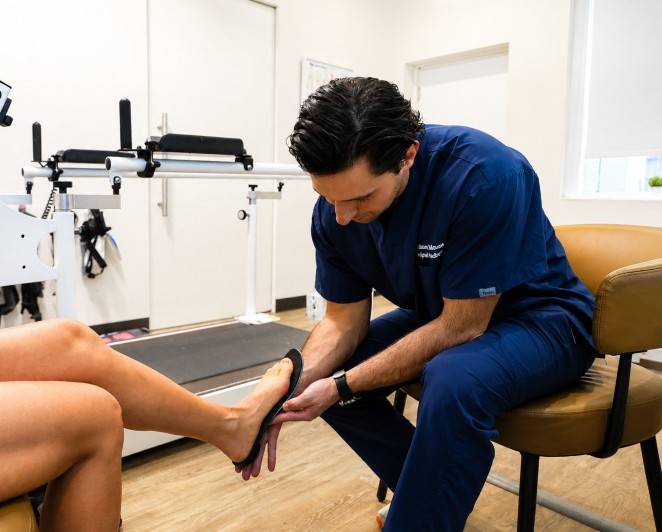
Every child is different, and so is every assessment. We take the time to watch your child walk, run and move in a way that’s comfortable for them. Our clinics use:
- Digital video gait analysis — to capture and review walking and running patterns in detail
- 3D laser scanning — to design custom orthotics shaped to your child’s feet
- Age-appropriate treatment plans — we explain everything to you and your child in plain language
- Footwear and activity advice — practical guidance that fits your child’s life
For active children involved in sport, we also work closely with families on injury prevention and return-to-sport plans. Visit our sports podiatry page for more.
Choosing the Right Shoes for Your Child
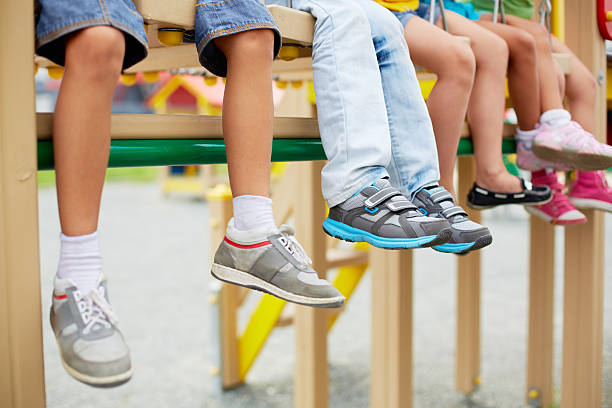
Good footwear supports healthy foot development. Here are some practical tips:Get feet measured — check sizing every 3 to 6 months, as children’s feet grow fast
- Look for a firm heel counter — the back of the shoe should be supportive, not floppy
- Choose a flexible forefoot — the shoe should bend where the toes bend
- Pick breathable materials — leather or mesh over plastic
- Avoid hand-me-down shoes — worn shoes mould to another child’s foot shape and can affect development
- Replace worn shoes — check soles for uneven wear patterns
If you’re unsure about your child’s footwear, bring their shoes to the appointment. We’re happy to check them.
Medicare, Health Funds & Payment
We want to make children’s podiatry accessible for every family.
- Medicare (EPC plan): If your child has a chronic condition or ongoing concern, your GP can set up an Enhanced Primary Care plan. This provides up to 5 Medicare-subsidised podiatry visits per calendar year.
- Health funds: We offer HICAPS on-the-spot claiming at all clinics — just bring your health insurance card.
- Initial consultation: From $130.
No GP referral is needed to see us. You can book directly online or by phone.
Find A Clinic Near You

What Our Patients Say
Frequently
Asked Questions

At what age should I take my child to a podiatrist?
We recommend a first check around 12 months, when your child starts standing and cruising. After that, key screening ages are 18 months, 3 years, 7 years and 12 years. You can also book at any time if you notice pain, tripping, toe walking or anything that concerns you.
How do I know if my child has flat feet?
Flat feet are normal in toddlers — the arch develops over time and is usually visible by age 5 or 6. If your child's feet still look flat after this age, or if they complain of foot or leg pain, it's worth having them assessed. A podiatrist can check whether custom orthotics or other treatment would help.
Is toe walking in toddlers normal?
Walking on tiptoes is common and usually normal in children under 2. If your child continues to toe walk beyond this age, it may indicate a short Achilles tendon or another underlying issue. We recommend an assessment to find the cause.
What is Sever's disease?
Sever's disease is the most common cause of heel pain in children aged 8 to 14. It occurs when the growth plate at the back of the heel becomes inflamed, often during growth spurts or increased physical activity. It's not a disease in the traditional sense and responds well to treatment. Learn more on our Sever's disease treatment page.
Can a podiatrist help with growing pains?
Yes. "Growing pains" can sometimes mask real biomechanical problems such as poor foot posture, muscle imbalance or overuse injuries. If your child has regular aching legs or sore feet after activity, a podiatry assessment can identify the cause and guide treatment.
Does my child need orthotics?
Not every child needs orthotics. We assess each child individually and only recommend custom orthotics when they'll make a meaningful difference — for example, to support flat feet that cause pain or to correct gait issues affecting activity.
Do I need a referral to see a children's podiatrist?
No referral is needed. You can book directly online or by phone. However, if you'd like to access Medicare-subsidised visits through an Enhanced Primary Care (EPC) plan, you'll need a referral from your GP.
Can I claim my child's podiatry visit on Medicare?
Yes, if your child has an EPC plan from their GP. This provides up to 5 Medicare-subsidised podiatry visits per calendar year. We also offer HICAPS on-the-spot health fund claiming at all clinics.
How much does a children's podiatry appointment cost?
An initial consultation starts from $135. Health fund rebates and Medicare (with an EPC plan) can reduce your out-of-pocket cost. We also offer Afterpay for families who prefer to spread the payment.
What should my child wear to the appointment?
Wear shorts or leggings so we can observe your child's legs and feet clearly. Bring their usual everyday shoes and sport shoes if they play sport. Also bring any previous scans or reports, your health insurance card and a GP referral if you have one.
How do I choose the right shoes for my child?
Look for shoes with a firm heel counter, a flexible forefoot and breathable materials. Get your child's feet measured every 3 to 6 months and avoid hand-me-down shoes, as worn shoes mould to another child's foot shape. If you're unsure, bring their shoes to the appointment and we'll check them.
Which ModPod clinic should I take my child to?
All five of our Sydney clinics are equipped for children's assessments, including digital gait analysis and 3D scanning. Choose the location most convenient for you: Sydney CBD, Mosman, Rose Bay, Dee Why or North Ryde. You can also visit our sports podiatry page if your child is active in sport.