Shin Splints
Treatment Sydney

Shin splints are one of the most common lower leg injuries we treat. The term describes pain along the inner edge of the shinbone (tibia), usually triggered by running, jumping or a sudden increase in training load. Left untreated, shin splints can sideline you for months — but with the right care, most people recover well and return to full activity.

At ModPod Podiatry, we focus on finding what caused your shin pain — not just managing the symptoms. Below is everything you need to know about shin splints and how our podiatrists treat them.

Shin Splints
Treatment Sydney

Shin splints are one of the most common lower leg injuries we treat. The term describes pain along the inner edge of the shinbone (tibia), usually triggered by running, jumping or a sudden increase in training load. Left untreated, shin splints can sideline you for months — but with the right care, most people recover well and return to full activity.

At ModPod Podiatry, we focus on finding what caused your shin pain — not just managing the symptoms. Below is everything you need to know about shin splints and how our podiatrists treat them.

What Are Shin Splints?

Treatments for Shin Splints

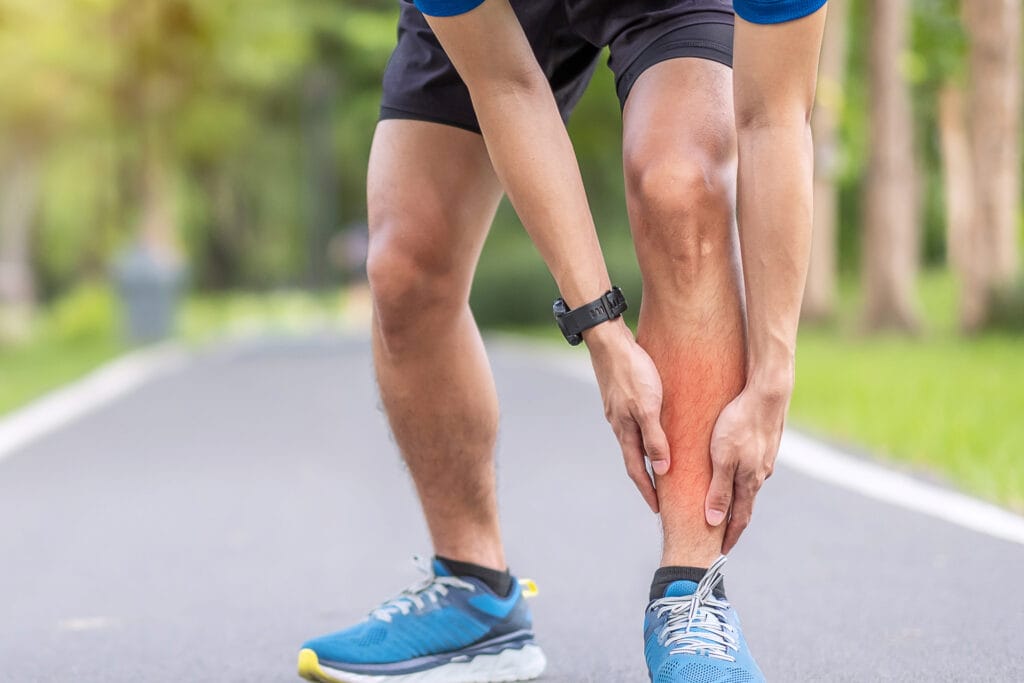
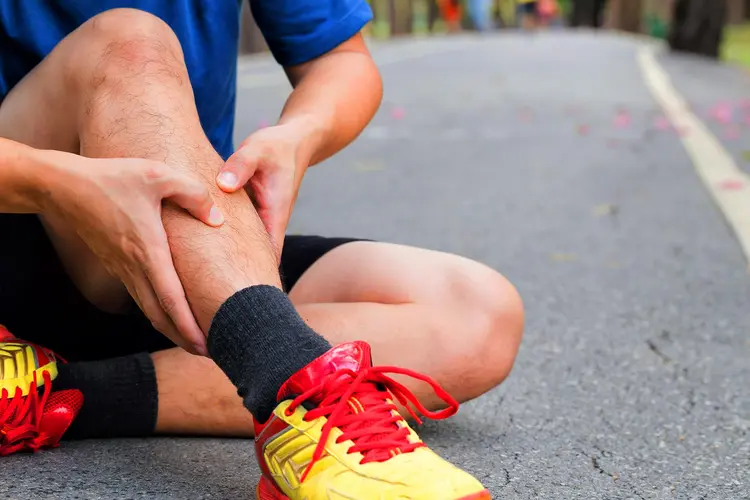
“Shin splints” is the common name for medial tibial stress syndrome (MTSS). It happens when the muscles, tendons and bone tissue around the tibia become overloaded. Pain is usually felt along the lower two-thirds of the inner shin.

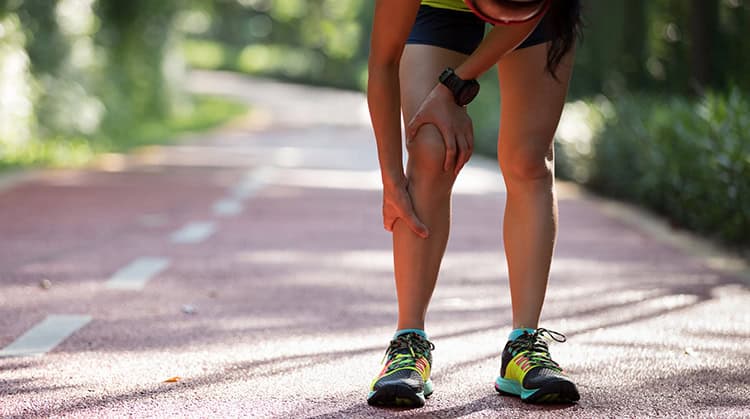
There are different patterns of shin pain. Posterior shin splints affect the muscles behind the shinbone and often relate to overpronation. Some people also experience shin cramps — a tight, cramping sensation in the front or side of the lower leg. Both conditions respond well to targeted podiatry treatment when the root cause is identified early.

Common Causes

Shin splints rarely have a single cause. Most cases involve a combination of factors:

  • Flat feet or overpronation — the arch collapses inward with each step, placing extra stress on the tibial muscles and periosteum.
  • Training errors — increasing distance, speed or intensity too fast is the number-one trigger.
  • Poor footwear — worn-out or unsupportive shoes fail to absorb impact.
  • Running on hard surfaces — concrete and asphalt transmit more force through the lower leg than grass or trail. Many Sydney runners train on pavement and hard coastal paths, which increases their risk.
  • Tight calf muscles — reduced ankle flexibility forces the shin muscles to work harder.
  • Weak hip and glute muscles — poor proximal control allows the leg to rotate inward during gait.

Understanding your specific mix of causes is the key to lasting relief.

Shin Splint Symptoms

Shin Cramps

Shin splint pain is usually:

  • A dull, aching sensation spread along the inner border of the tibia (diffuse, not pinpoint).
  • Worse during or after exercise — especially running or jumping.
  • Tender when you press along the shinbone.
  • Accompanied by mild swelling in some cases.


In the early stages, pain may settle with rest but return as soon as you resume activity. Over time, the pain can become constant if the underlying cause is not addressed.

Shin Splint vs Stress Fracture

People often ask whether their shin pain is a stress fracture rather than shin splints. Here is the main difference:

  • Shin splints produce diffuse pain spread over several centimetres of the shinbone.
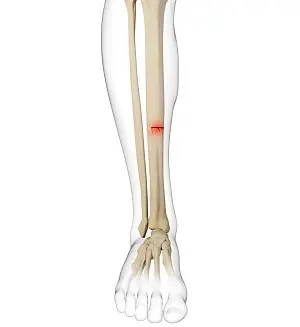
  • A stress fracture causes pinpoint pain at one specific spot on the bone.
  •  

Stress fracture pain tends to get worse with any weight-bearing activity and may hurt at rest. If you can place one finger on the exact point of pain, a stress fracture should be ruled out with imaging. Our podiatrists can help determine which condition you have and refer for scans when needed. Untreated shin splints can create stress fractures. 


How We Treat Shin Splints

Every shin splint case is different, so we start with a thorough assessment before recommending a treatment plan.

Biomechanical Assessment

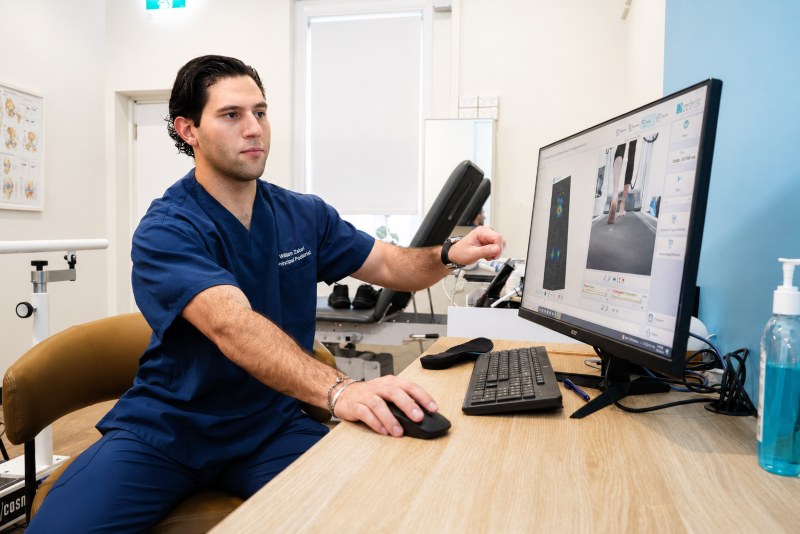
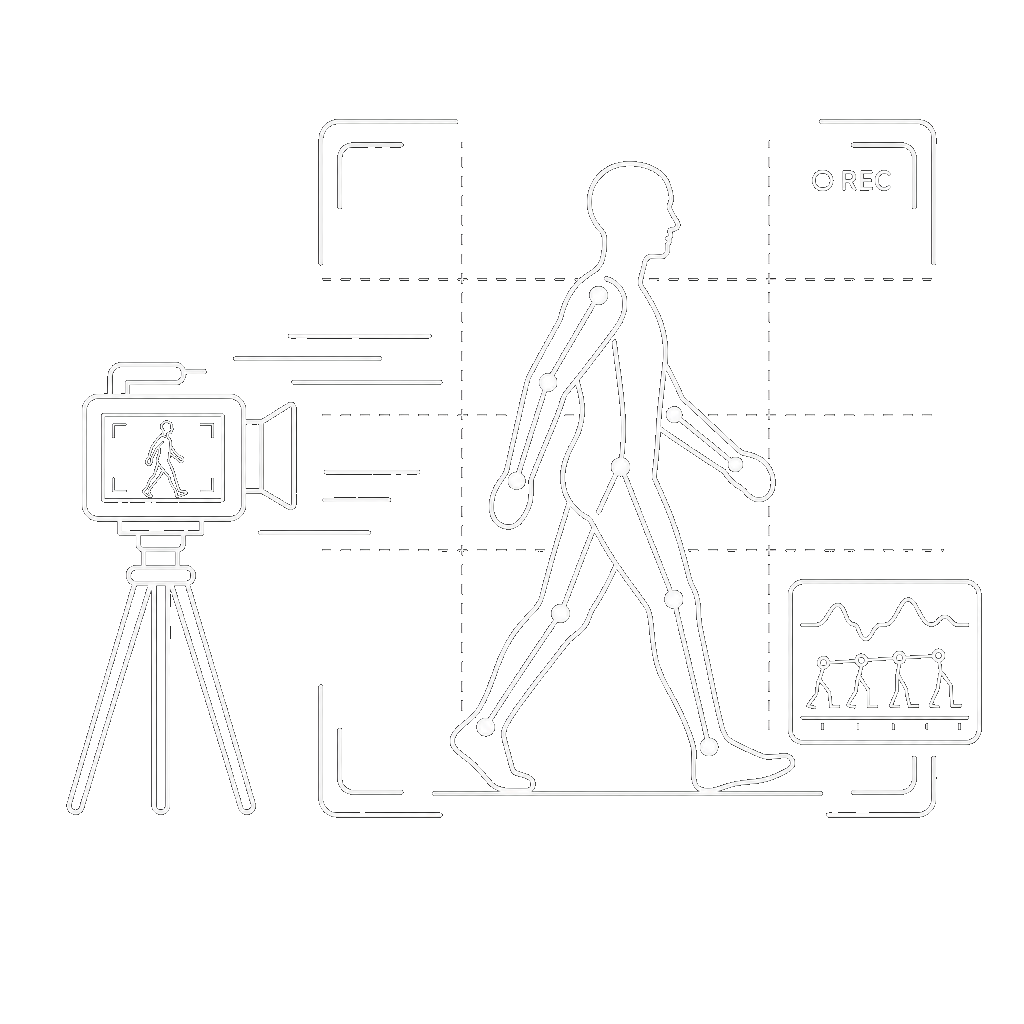
We use digital video analysis and gait analysis to study how you walk and run. High-speed video lets us slow your movement down frame by frame to spot abnormal mechanics.

Custom Orthotics

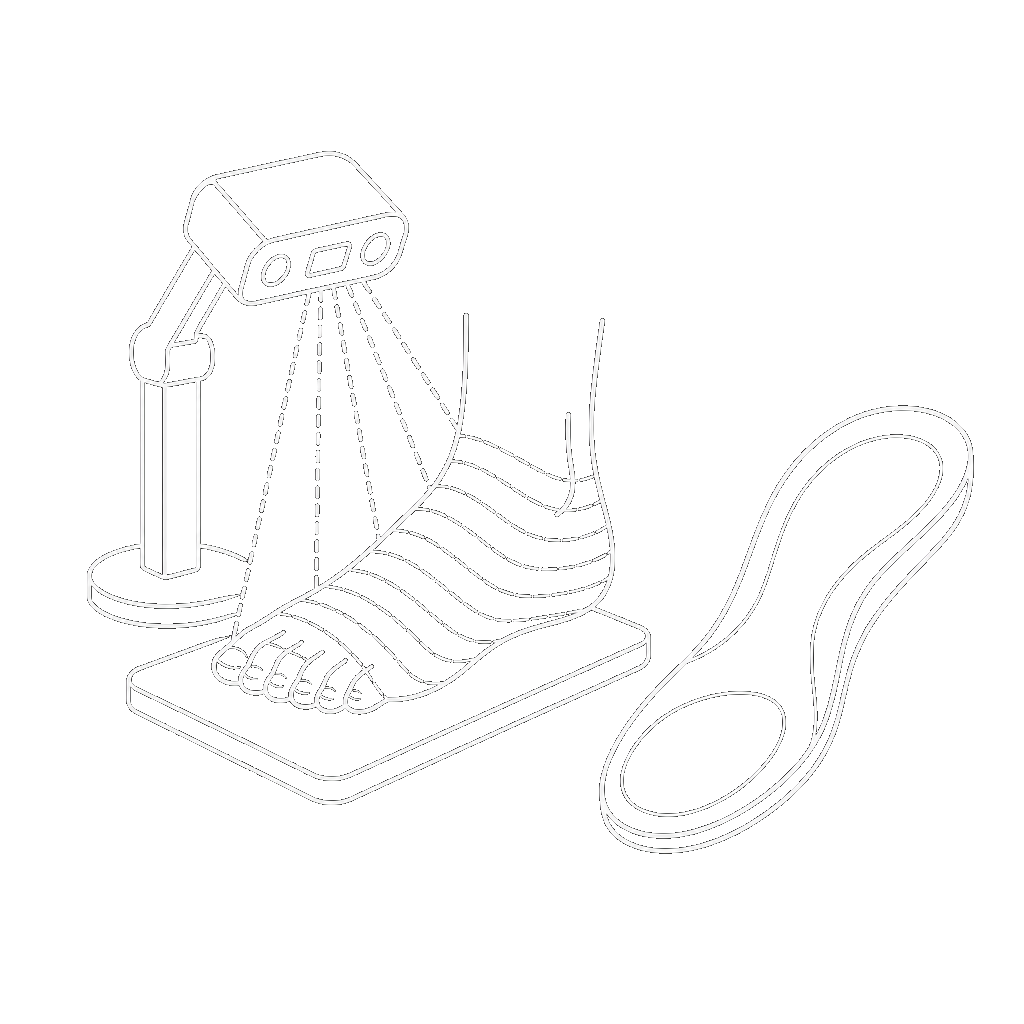
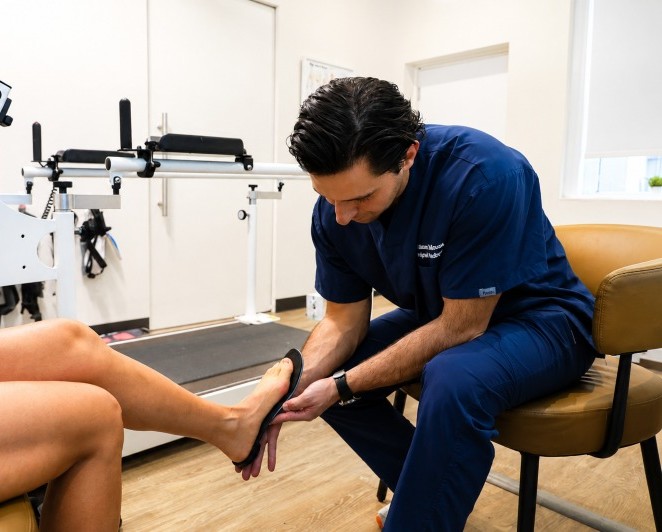
If foot mechanics are a factor, custom orthotics can reduce the strain on the muscles and periosteum around the tibia. Our orthotics are prescribed based on your assessment results and designed to support your foot through its full range of motion.

K-laser Therapy

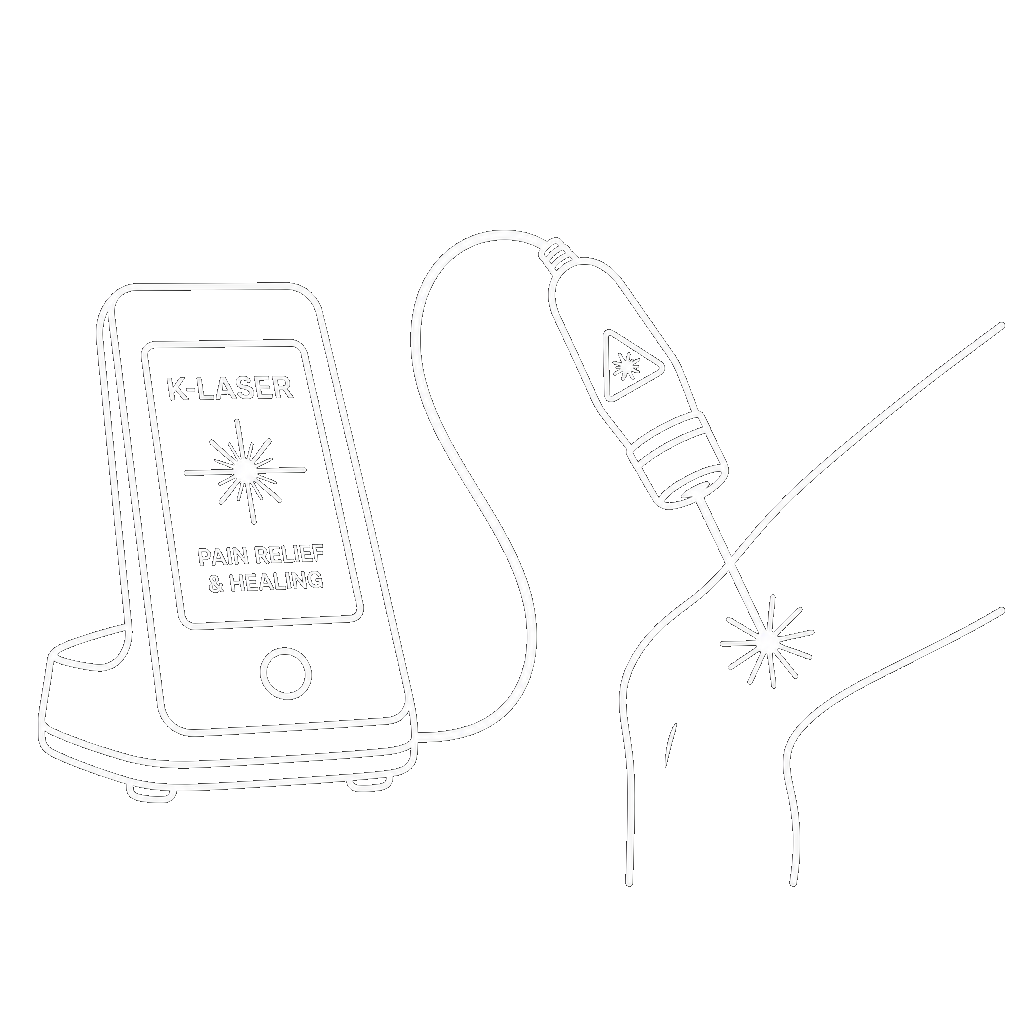
For persistent or severe shin pain, K-Laser therapy can speed up tissue healing and reduce inflammation. The laser delivers targeted light energy to the injured area, promoting cell repair.

Footwear Assessment

The wrong shoes can make shin splints worse, and many people are running in shoes that do not suit their foot type.

Rehabilitation Exercise

Targeted strengthening and stretching exercises are a core part of recovery. We prescribe exercises for the calf, tibialis posterior, hip and glute muscles based on your specific weaknesses. Stronger muscles absorb more force and protect the bone.

Graduated Return to Activity

Returning to sport too fast is a common reason shin splints come back. We build a structured return-to-activity plan that increases your training load in safe, measured steps.

Who Gets Shin Splints?

Shin splints affect a wide range of active people:

  • Runners — especially those training for events like the City2Surf, Sydney half-marathons or their first 10 km.
  • Dancers — ballet and contemporary dancers are at high risk due to repetitive impact on hard studio floors.
  • Team sport athletes — football, netball, basketball and soccer players who train on hard surfaces.
  • Military and emergency services personnel — high training volumes in boots accelerate tibial stress.
  • New exercisers — people who go from sedentary to active without a gradual build-up.
  •  

If you fall into any of these groups and notice shin pain creeping in, early treatment gives you the best chance of a fast recovery.

Book A Shin Splint Assessment

Our experienced sports podiatrists treat shin splints every week across five Sydney clinics. Book your appointment online or call us to discuss your shin pain. The sooner you get assessed, the sooner you can get back on track. Evening and Saturday appointments are available at selected clinics. We accept all major health funds and can process your rebate on the spot with HICAPS.

What Our Patients Say

Frequently
Asked Questions

heading strip

How long does it take for shin splints to heal?

Most cases of shin splints improve within 2–6 weeks with proper treatment. Recovery time depends on how long you have had symptoms and what caused them. Early treatment with a podiatrist typically leads to a faster recovery.

Should I stop running if I have shin splints?

You may not need to stop completely, but you should reduce your training load. Continuing to run through worsening pain can lead to a stress fracture. Our podiatrists can help you modify your activity so you stay active while the injury heals. Read more about shin splints treatment.

Can flat feet cause shin splints?

Yes. Flat feet and overpronation are among the most common causes of shin splints. When the arch collapses with each step, the muscles along the tibia work harder to control the foot. Custom orthotics can help support the arch and reduce this strain.

Do orthotics help shin splints?

Orthotics can be very effective for shin splints caused by poor foot mechanics. They work by supporting the arch, reducing overpronation and distributing load more evenly across the foot and lower leg. Our podiatrists prescribe custom orthotics based on a thorough biomechanical assessment.

Should I see a podiatrist or a physiotherapist for shin splints?

Both can help, but podiatrists specialise in foot and lower limb biomechanics — which is where most shin splint problems start. A podiatrist will assess your gait, foot structure and footwear, and can prescribe orthotics if needed. If your shin splints are linked to how your feet function, a sports podiatrist is the best place to start.

What is the difference between shin splints and a stress fracture?

Shin splints cause diffuse pain spread along several centimetres of the inner shinbone. A stress fracture produces sharp, pinpoint pain at one specific spot. Stress fracture pain often continues at rest, while shin splint pain usually eases when you stop activity. If you are unsure, our podiatrists can assess you and refer for imaging.

How much does shin splints treatment cost? Is it covered by Medicare?

Initial consultations at ModPod Podiatry are competitively priced. Most private health funds cover podiatry under extras cover. Medicare rebates may apply if you have a GP referral under an Enhanced Primary Care (EPC) plan. Contact us on (02) 9960 3981 for current fees.

What stretches help shin splints?

Calf stretches (both straight-knee and bent-knee), tibialis anterior stretches and toe walks can help relieve shin splint pain. Foam rolling the calf muscles is also useful. Our podiatrists prescribe a tailored exercise program as part of your treatment plan.

When should I see a podiatrist for shin pain?

See a podiatrist if your shin pain lasts more than a few days, returns every time you exercise, or gets worse over time. Early assessment prevents the injury from progressing. Not sure if you need an appointment? Take our shin splint quiz to find out.

Do shin splints go away on their own?

Mild shin splints may settle with rest, but they often return when you resume activity — because the underlying cause has not been addressed. Treatment that corrects your biomechanics, footwear and training load gives you the best chance of long-term relief.

Can I still exercise with shin splints?

In many cases, yes — but you may need to switch to low-impact activities like swimming or cycling while the injury heals. Our podiatrists can guide you on what is safe and build a graduated return-to-activity plan.

How can I prevent shin splints from coming back?

Prevention comes down to three things: proper footwear, gradual training increases and strong lower limb muscles. If flat feet or overpronation are a factor, orthotics provide ongoing support. Regular gait checks with a podiatrist help you catch problems before they become injuries.

Book Online
(02) 9960 3981