

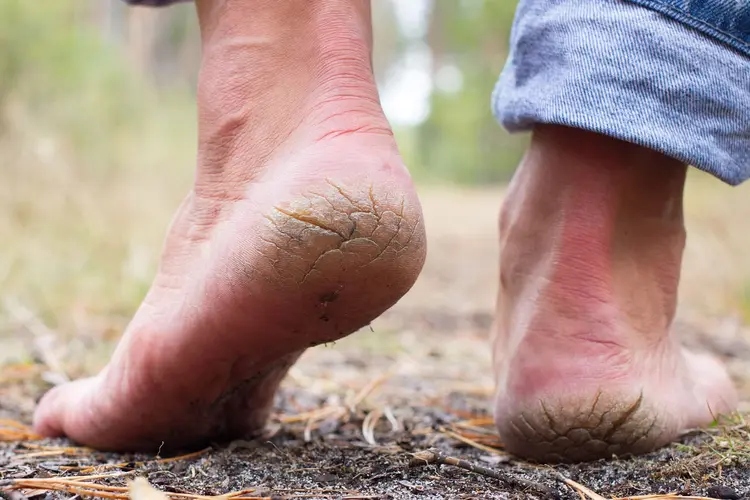
Cracked feet – usually experienced as dry, cracked heels – are a common foot problem that can range from a cosmetic nuisance to a painful medical issue. If you’re suffering from cracked heels, you’re not alone. Many Australians deal with rough, split skin on their heels, especially in dry weather or after long days on their feet. The good news is that cracked feet can be healed with proper care, and, even more importantly, they can be prevented. In this article, we’ll provide expert insights into what causes cracked feet, how to treat them (both at home and with professional help), and tips to prevent those painful heel cracks from coming back.
What Causes Cracked Feet?
Cracked feet almost always start with dry skin. When the skin loses moisture, it becomes less elastic and can’t flex with the pressure of walking, leading it to splitting. But what makes the skin on your heels so dry and cracked in the first place? Here are some of the most common causes and risk factors:
- Dry Weather and Hot Showers: Living in a dry climate or spending a lot of time in heated or air-conditioned environments can strip moisture from your skin. In fact, low humidity (for example, during a Sydney winter with indoor heating) or very hot baths and showers can dry out the skin on your feet, making cracks more likely.
- Prolonged Standing on Hard Surfaces: Jobs or daily routines that involve standing for long periods, especially on hard floors (like concrete), put extra pressure on the heels. Over time, this pressure causes the skin to harden and form calluses as a protective response, which can then crack under strain.
- Open-Back Shoes or Thongs: Wearing footwear that exposes the heel, such as sandals or thongs (flip-flops), can contribute to cracked heels. These shoes provide little cushioning and allow the skin to dry out from air exposure and friction.
- Poor Footwear Support: Shoes that don’t fit properly or lack cushioning support can cause your heel to expand sideways with pressure when you walk, leading to cracking.
- Skin Conditions and Health Issues: Certain medical conditions can make you more prone to cracked feet. Common examples include diabetes, eczema, psoriasis, thyroid conditions, and others that cause dry skin or poor circulation.
- Ageing: As we get older, our skin naturally loses some of its elasticity and moisture. The heels’ skin can become thinner and drier with age, meaning it cracks more easily under pressure.
- Obesity or Increased Weight: Carrying extra weight can put added pressure on the heels. The fat pad under the heel expands under your weight, and if the skin is dry and inflexible, it may crack under this pressure.
- Inadequate Foot Care: Sometimes cracked heels simply result from neglecting routine foot care. Not moisturising your feet regularly, skipping exfoliation of hard skin, or walking around in bare feet without giving your heels any TLC can all lead to a buildup of dry, thick skin that’s prone to cracking.
Often, it’s a combination of factors that leads to cracked feet – for example, a middle-aged person (ageing skin) who stands all day at work on hard floors, wears open-back shoes, and forgets to moisturise their feet will be very likely to get cracked heels. The key takeaway is that dryness plus pressure = cracks.
Why You Shouldn’t Ignore Cracked Heels
It might be tempting to ignore dry, cracked feet, especially if they’re not hurting yet. However, cracked heels should be addressed early for several reasons:
- Prevent Pain: What starts as mild dryness can quickly become painful if the cracks deepen. Walking or even standing can become quite uncomfortable once you have fissures in your heels.
- Avoid Infection: Cracked skin can open a pathway for germs. Deep cracks sometimes bleed or weep, and those openings can let bacteria in, leading to infections like cellulitis.
- Protect Your Overall Health (Especially for Diabetics): If you have conditions like diabetes or neuropathy, you may not feel a small cut or crack on your foot – and it can worsen quickly without you realising.
- Improve Appearance and Confidence: Let’s not forget, having smooth, healthy heels is a big confidence boost – you won’t feel the need to hide your feet in public or at the beach.
How to Treat Cracked Feet at Home
Most cases of cracked feet can be improved with some diligent home care. The goal is to gently remove the hard, dead skin and deeply moisturise the heels so that the skin becomes flexible and can heal. Here are some expert-recommended steps to treat cracked heels at home:
- Soak Your Feet and Exfoliate: Start by giving your feet a warm foot bath. Soak your feet in warm (not hot) water for about 10–15 minutes to soften the hard skin.
- Moisturise, Moisturise, Moisturise: After exfoliating (or after a shower), pat your feet dry and immediately apply a rich moisturiser to your heels. For cracked heels, ordinary lotions might not be enough – look for a specialised heel balm or thick foot cream.
- Lock in Moisture Overnight: For an extra healing boost, apply a thick layer of your foot cream at night and then wear socks to bed. Cotton socks work well to trap the moisture against your skin.
- Protect the Cracks: If your heels are very cracked or painful, you can protect them as they heal using a liquid bandage or skin glue specifically for skin cracks.
- Choose Supportive Footwear: While your cracked heels are healing, switch out any flimsy or open-back shoes for more supportive footwear.
Professional Treatment for Cracked Heels in Sydney
Sometimes, cracked feet need a podiatrist’s expertise to heal properly. At ModPod Podiatry, we regularly treat patients with cracked heels across our Sydney clinics in Dee Why, Mosman, Rose Bay, North Ryde, and the CBD. Here’s what a podiatrist can do for severe or stubborn cracked feet:
- Thorough Evaluation: First, we’ll assess the underlying cause of your cracked heels, including foot mechanics, skin conditions, and medical issues.
- Safe Removal of Thick Skin (Debridement): A podiatrist will use sterile instruments to carefully pare down the hard skin and calluses around the cracks. This is generally painless and provides immediate relief.
- Orthotics or Insoles if Needed: If foot structure or pressure distribution is contributing to your cracked heels, we might recommend orthotic insoles or heel pads to redistribute pressure away from the heel edges.
- Medical Pedicure (Medi Pedi): At ModPod Podiatry, we also offer a medical pedicure service – a comprehensive foot care session performed by our podiatrists that removes calluses, trims nails, and leaves your feet smooth and revitalised.
When to See a Podiatrist: You should seek professional help for cracked feet if you have deep cracks that are bleeding, any signs of infection, persistent heel pain, or if you have an underlying condition like diabetes. Also, if you’ve tried home care diligently and the cracks aren’t improving, a podiatrist can help with more advanced treatments.
Frequently Asked Questions
What causes severely cracked heels?
Severely cracked heels are usually caused by a combination of dry skin and pressure. Factors include prolonged standing on hard surfaces, wearing open-back shoes or thongs, low humidity, ageing, obesity, and underlying conditions such as diabetes, eczema, or thyroid disease. Addressing the cause is key to long-term healing.
Can cracked heels be a sign of a medical condition?
Yes. Cracked heels can be associated with diabetes, hypothyroidism, psoriasis, eczema, and poor circulation. If your heels crack repeatedly despite good home care, or if you have diabetes, it’s important to see a podiatrist for a thorough assessment.
What is the best cream for cracked heels?
Look for thick heel balms containing urea (10–25%), lactic acid, or glycerin, which are clinically proven to hydrate and soften hard skin. Apply generously after bathing and wear cotton socks overnight for best results. Your ModPod podiatrist can recommend the most suitable product for your skin type.
How long does it take for cracked heels to heal?
Mild cracked heels typically improve within 1–2 weeks of consistent home care including soaking, exfoliation, and daily moisturising. Severe, deep fissures may take several weeks and may require professional treatment including debridement by a podiatrist for faster recovery.
When should I see a podiatrist for cracked feet?
See a podiatrist if your cracks are deep, bleeding, or show signs of infection (redness, swelling, pus), if you have diabetes or poor circulation, or if home care has not improved your heels after two weeks. ModPod Podiatry’s Sydney clinics can provide same-week appointments in most cases.
Can I exercise with cracked heels?
Light to moderate exercise is generally fine, but high-impact activities such as running on hard surfaces can worsen cracks. Supportive, well-cushioned footwear is essential. If you are in significant pain, rest the area and see a podiatrist before returning to exercise.
Are cracked heels more common in summer or winter?
Cracked heels are common year-round in Australia but peak in summer (from open-back footwear and bare feet) and in winter (from dry air and indoor heating). Sydney’s warm climate means many residents deal with cracked heels from prolonged thong-wearing throughout the year.
If cracked, dry heels are affecting your comfort or confidence, the team at ModPod Podiatry is here to help. We offer professional assessment and treatment across our Sydney clinics in Dee Why, Mosman, Rose Bay, North Ryde, and the CBD. Book online today or call (02) 9960 3981 to get your feet feeling smooth and comfortable again.