
Fungus from nail polish is the fear that painting your nails can give you a fungal infection. Polish is no direct cause. Fungi get into a nail through damage and damp, and a polish bottle is a poor way to carry them. Polish can hide an existing infection, trap moisture and delay treatment. A shared bottle or tool carries a small risk of passing an infection to someone else.
This article covers why nail polish and toenail fungus get linked, how to wear polish if you have an infection, how to spot a fungal nail under the colour, and how to treat it. The advice applies to toenails and fingernails.
ModPod Podiatry has treated feet and nails across Sydney for over 20 years.
Why nail polish and fungus worry so many people
People link the two because polish covers the nail, so an infection seems to grow under it. The link is real, but it runs the other way from what most people think. Polish starts no infection, but it can hide one and slow treatment.
What causes nail fungus in the first place
A fungal nail infection (onychomycosis) starts when fungi enter the nail through a crack, a knock or a gap between nail and skin. Warm, damp places help them grow, such as sweaty shoes, gym floors and pool decks. Toenails get more infections than fingernails because shoes keep them warm and damp. Athlete’s foot on nearby skin is a common source.
The risk factors for infection, such as a nail knock, tight shoes or a history of athlete’s foot, matter more than your polish colour. Rough filing or harsh remover can also damage a nail and give fungi a way in. Careful nail care counts.
Fungi enter through damage and damp, and polish is no entry point.
What research says about polish and spread
Research on this question is thin. A 2018 laboratory study found fungal growth in tested nail polishes after 30 days, and its authors noted how few studies exist. A lab result differs from what happens on a foot. No evidence shows that polish infects a healthy nail, and podiatry sources call spread from a polish bottle highly unlikely.
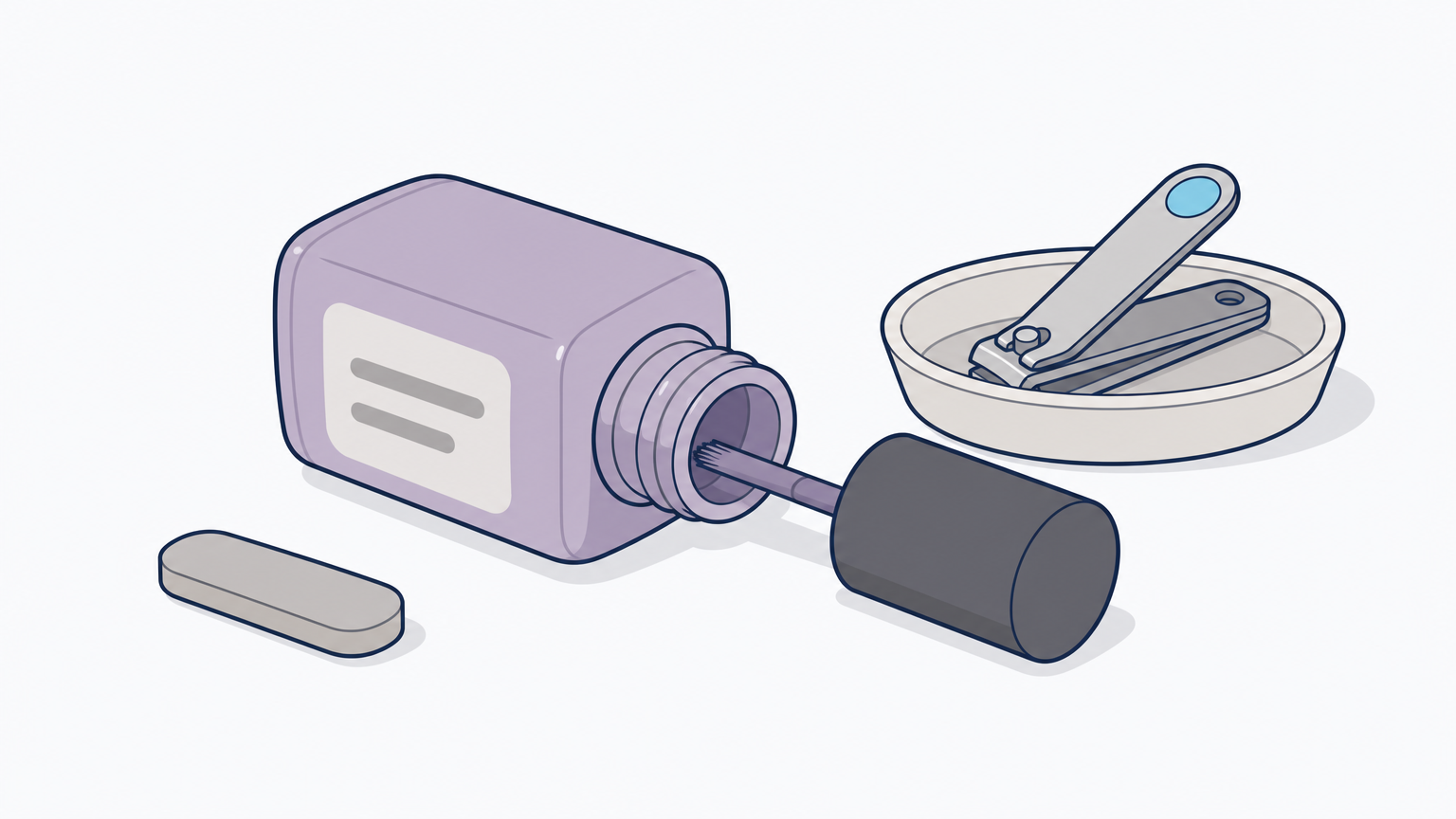
The small risk comes from sharing. A brush that touches an infected nail and returns to the bottle can carry fungus to the next person. Shared files, clippers and salon tools carry the same risk. Use your own kit, and ask a salon how it cleans its tools.
How to wear nail polish with toenail fungus
Bare nails are the best choice during treatment. If you want polish, wear it in a way that lets you check the nail and keeps it dry.
Why bare nails help treatment
Antifungal creams and lacquers must reach the nail and the nail bed, where the fungus lives. A coat of polish blocks that path. Polish also hides colour change, thickness and lifting, the signs that show whether treatment works. Fungi thrive in moisture, and a sealed nail can stay damp.
A nail grows at the same rate with or without polish. A toenail takes many months to grow out, so patience matters more than colour.
Bare nails let treatment reach the fungus and let you see progress.
Steps for safer polish
If you choose to wear polish on a nail with fungus, follow these steps:
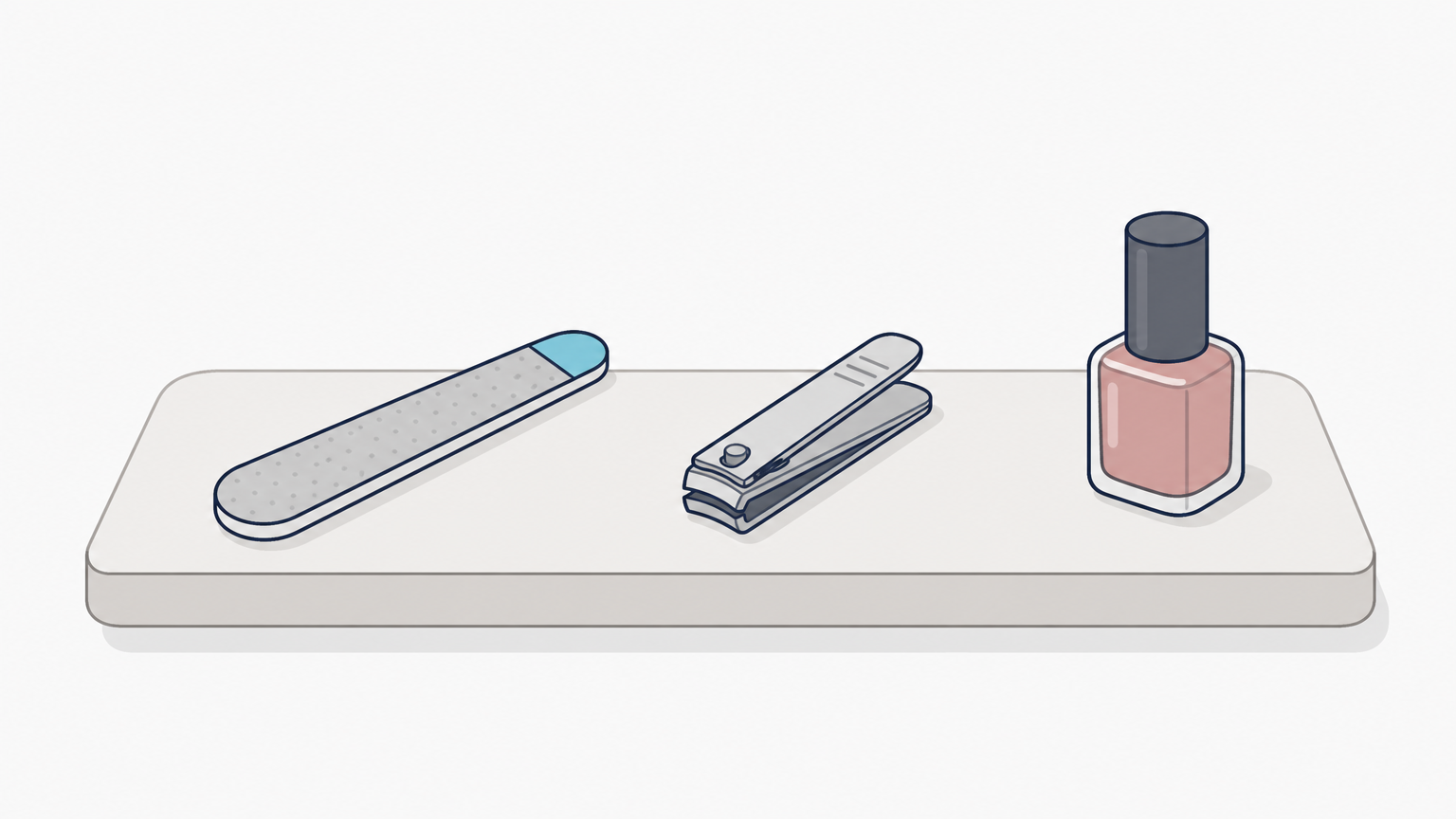
- Ask your podiatrist or doctor first, especially if you use a topical treatment.
- Apply your treatment as the pack directs, and let it dry fully before polish.
- Keep one bottle for infected nails, or paint healthy nails only.
- Use your own files and tools, and clean them after each use.
- Remove the polish every week and look at the bare nail in daylight.
- Use a gentle remover. Harsh ones dry and weaken the nail.
- Dry your feet well and change your socks every day.
Gel, acrylic and medicated lacquer
Skip gel and acrylic while you have an infection. They seal the nail for weeks, and removal needs filing or soaking that can thin the nail.
Medicated lacquer is different. It is a treatment, not a cosmetic. Your pharmacist or doctor can advise on antifungal lacquers. Directions differ by product, and some courses run for most of a year. The same rules apply to fingernails. They grow faster, so clear nail shows sooner.
How to spot a fungal nail under polish
Take the polish off and look at the nail in daylight. A fungal nail turns yellow, white or brown, thickens, lifts from the nail bed or crumbles at the edge.
Signs to check each time you remove polish
Look for these changes:
- Yellow, white or brown patches
- A thicker nail that is hard to trim
- A nail that lifts from the nail bed
- Crumbling or ragged edges
- Debris under the nail
- Pain when shoes press on the nail
Take polish off every week and look at the bare nail.
Staining, injury or infection
Dark and bright polish can stain a healthy nail yellow. A stain fades as the nail grows. An infection spreads and thickens the nail. Other problems can look like fungus, including psoriasis, bacterial or yeast infections and nail injury. The right treatment depends on the right diagnosis.
A podiatrist can tell the difference. At ModPod Podiatry we diagnose fungal nails by sight, with no clippings or lab tests, and treatment starts the same day. You do not need a GP referral to book.
How to treat a fungal nail and return to polish
Treatment clears the infection as the nail grows out. You can return to polish once the new nail grows in clear. Your toenail fungus treatment options are creams or lacquers, tablets from your doctor, and laser.
Treatment options compared
| Option | How it works | Time | Points to know |
|---|---|---|---|
| Antifungal cream or lacquer | Applied to the nail. Thinning the nail helps the medicine reach the fungus. | Many months, up to almost a year for some lacquers | Infection can return. Rash is a side effect for some people. |
| Antifungal tablets | Prescribed by a doctor. A new nail grows free of infection. | 6 to 12 weeks of tablets, and four months or more for the nail to clear | Side effects are possible, and some people need blood tests. They suit some people and not others. |
| Cold laser | Painless light treatment at the clinic | About 12 minutes a session, typically 4 sessions | No downtime |
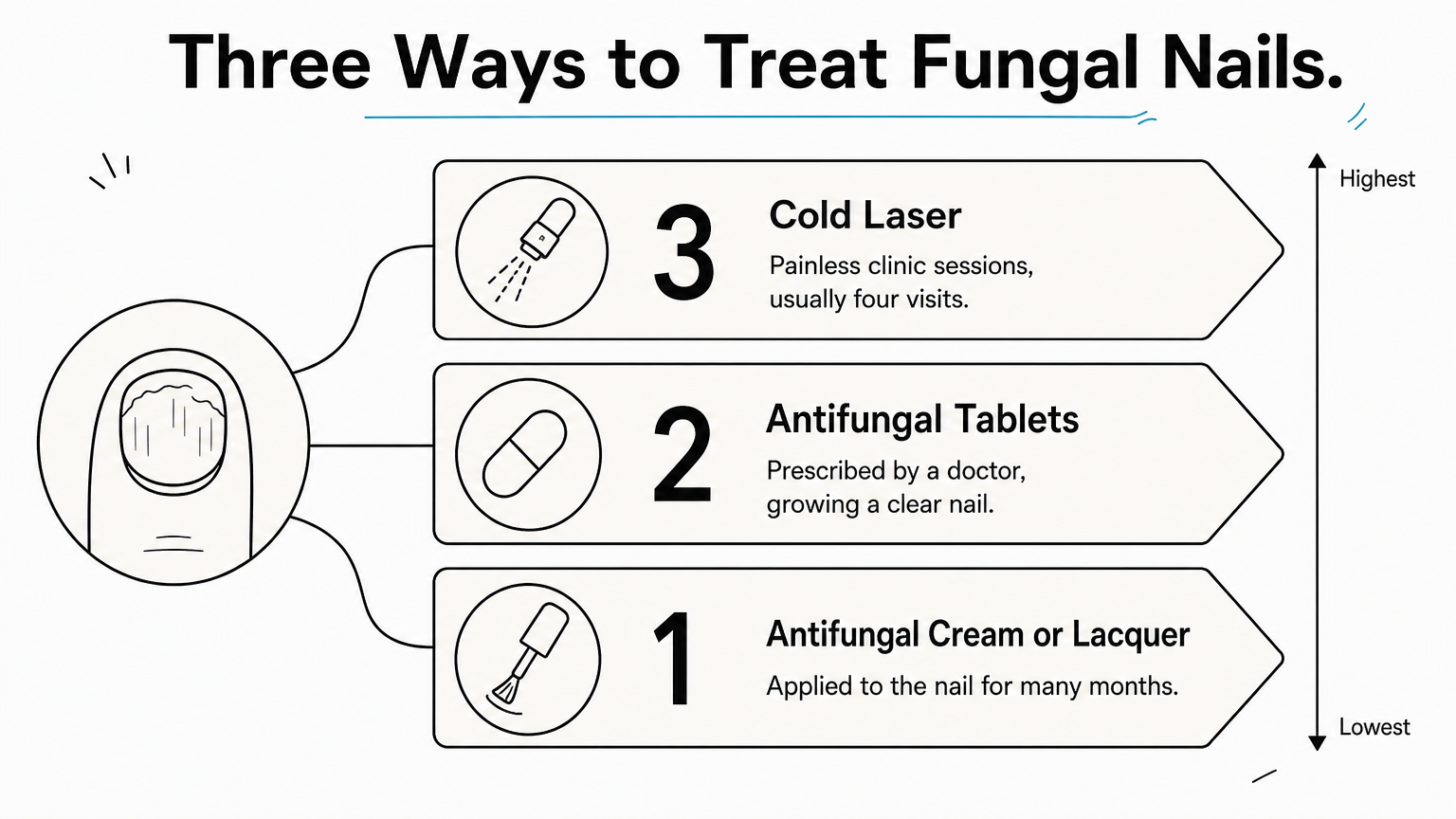
Every option works as the nail grows out, so the clear nail you want takes months.
What laser treatment at ModPod involves
We treat fungal toenails with the Lunula cold laser. The treatment is painless, has no downtime and starts at your first visit. Each session takes about 12 minutes, and a typical course is four sessions. Your podiatrist sets the number you need.
The first session costs $205 because it includes nail preparation. Follow-up sessions cost $160. A typical four-session course comes to $685 ($205 plus three sessions at $160). We give you a receipt to claim a rebate from your private health fund, and HICAPS lets you claim on the spot. Ask us what to do about polish before your visit.
How to stop a repeat infection
Toenail fungus often comes back, so prevention matters as much as treatment. Follow these habits:
- Dry between your toes after every shower.
- Change your socks every day.
- Rotate your shoes so each pair dries out.
- Wear thongs in public showers and pool areas.
- Trim your nails straight across.
- Treat athlete’s foot early.
- Use your own nail tools and polish.
Next steps for your nails
Nail polish does not give you a fungal infection. Damage and damp do. Polish becomes a problem when it hides an infection, traps moisture or blocks treatment. Leave nails bare during treatment if you can. If you wear polish, use your own kit, remove it every week and check the nail.
If you see yellow, thick, lifting or crumbling nails, get them checked. You do not need a referral. Our five Sydney clinics offer same-day appointments whenever possible. You can book a fungal nail assessment online and start treatment on your first visit.