

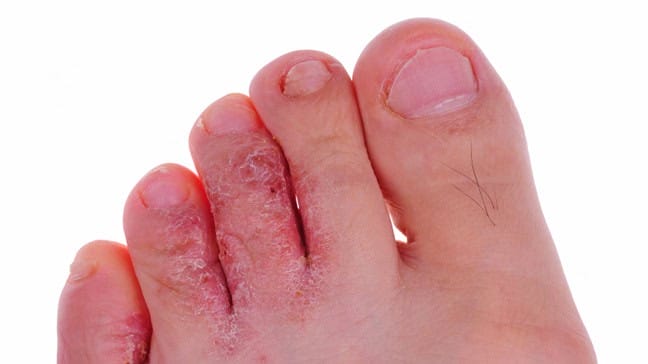
In Sydney, athlete’s foot treatment works best when the skin problem is correctly identified. Athlete’s foot, or tinea pedis, is a fungal infection of the skin. It often causes itch, scaling or cracked skin between the toes, but other skin conditions can look similar. A pharmacist may recommend an over-the-counter antifungal such as clotrimazole or terbinafine for a typical mild infection. Follow the product directions. If symptoms do not improve, keep returning or spread, arrange an assessment. At ModPod Podiatry, we can examine the affected skin and discuss when podiatry or GP care is suitable. This guide covers common signs, treatment and ways to reduce recurrence.
What is athlete’s foot?
Athlete’s foot is the common name for tinea pedis. Dermatophytes are fungi that can infect the outer layer of skin. The infection often begins between the toes, but it can affect the sole or sides of the foot. It may affect one or both feet.
It can spread through contact with infected skin or contaminated damp surfaces. The name does not mean only athletes get it. Warm, sweaty footwear and shared wet areas can create conditions where fungi persist.
Common symptoms and lookalikes
Signs can include itching, scaling, redness, peeling or small cracks between the toes. Some people notice dry, flaky skin across the sole or sides. A fungal infection can cause discomfort, but not every case itches.
Eczema, psoriasis, contact irritation and other skin conditions can look similar. Nail changes may also have more than one cause. Do not assume that every itchy or flaky foot has fungus. If the diagnosis is unclear, a clinician can assess the skin and advise whether testing or another review is needed.
Seek prompt advice if the skin is very sore, swollen, hot, draining fluid or breaking down. If you have diabetes, poor circulation, reduced sensation or a weakened immune system, ask a health professional before self-treating.
Over-the-counter athlete’s foot treatment
For a mild, typical infection, a pharmacist may suggest a topical antifungal. Common active ingredients include clotrimazole and terbinafine. These medicines work in different ways, and products have different instructions. Follow the label for where and how often to apply it, and for how long to continue.
Wash and dry your feet before applying the product. Dry carefully between the toes. Use the medicine only on the areas and for the duration stated on its label. Do not put it on broken skin unless the product information or a clinician says it is suitable. Ask a pharmacist if you take other medicines, have a health condition or are unsure which product to choose.
Do not use essential oils, household chemicals or another person’s prescription as a substitute for proven advice. Essential oils can irritate skin and may not clear the infection. If a product causes marked irritation, stop using it and seek advice.
When to see a podiatrist or GP
Arrange an assessment if the skin problem does not improve after using an antifungal as directed. Get advice if it returns often, affects a large area, involves the nails or you are unsure of the cause. A clinician may check for another skin condition and recommend the next step.
Athlete’s foot can occur with fungal nail infection, but a discoloured or thick nail is not always fungal. A clinician can assess nail changes before treatment. Read our information about fungal nail treatment if you have concerns about both skin and nails.
We also offer an athlete’s foot assessment and treatment service. A podiatrist can explain care options based on the skin and your health history.
A medical pedicure is a separate foot-care service. It is not a substitute for diagnosing or treating a fungal infection.
How to reduce recurrence and spread
- Dry your feet well after washing, especially between the toes.
- Change socks each day, and after exercise if they become damp.
- Let shoes dry fully before wearing them again. Rotate pairs when practical.
- Wear thongs in communal showers, pool change rooms and other shared wet areas.
- Do not share socks, towels, shoes or foot files.
- Wash hands after applying treatment, and avoid scratching the affected skin.
These habits lower moisture and contact with shared surfaces. They do not guarantee prevention. If skin changes recur, check the diagnosis rather than repeating products without advice.
Australian foot-care context
As Sydney warms in spring and summer, people may spend more time in pools, gyms and shared change rooms. Wear footwear in communal wet areas and dry between the toes after swimming. If you have diabetes or reduced sensation, ask a clinician to check persistent skin changes rather than treating them by trial and error.
Frequently Asked Questions
Q: What is the best athlete’s foot treatment?
A: It depends on the diagnosis and product. A pharmacist may recommend clotrimazole or terbinafine for a typical mild infection. Follow the label and seek advice if symptoms persist.
Q: How long does athlete’s foot take to clear?
A: It varies by infection and product. Follow the full directions on the medicine you use. Arrange an assessment if symptoms do not improve or return.
Q: Can athlete’s foot spread to toenails?
A: Fungal skin and nail infections can occur together, but nail changes have other causes too. Ask a clinician to assess a nail before starting treatment.
Q: Should I see a podiatrist for athlete’s foot?
A: See a podiatrist if you are unsure of the diagnosis, symptoms keep returning or self-care has not helped. Seek advice sooner if you have diabetes, poor circulation, reduced sensation or broken skin.
Book a foot assessment
If you need athlete’s foot treatment advice or the skin changes are not settling, our team can assess your feet and discuss next steps. Learn about general podiatry.
Book online with ModPod Podiatry in Sydney.