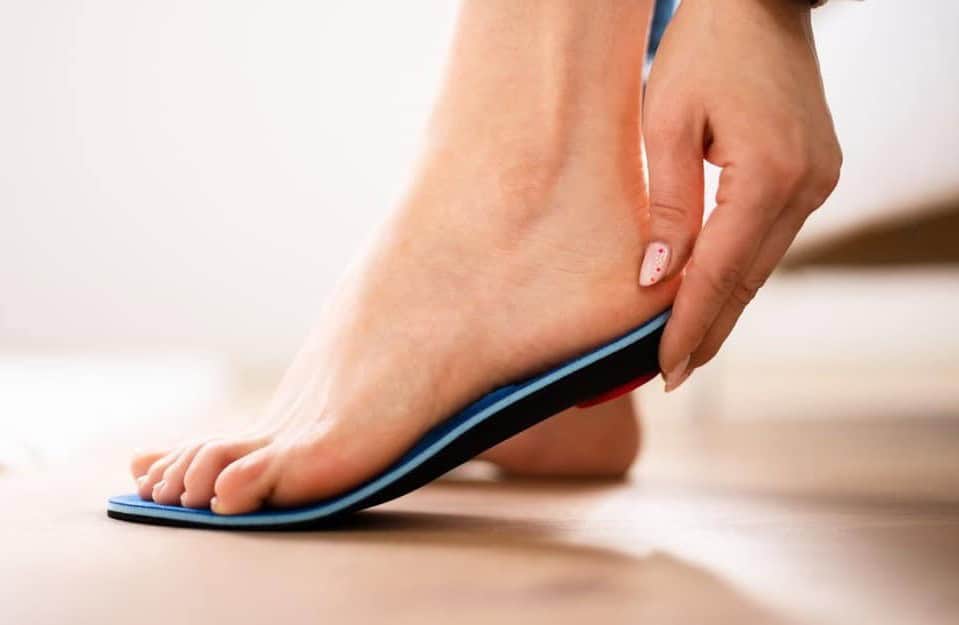
If you’ve been searching for orthotics insoles custom made to fit your exact feet, you’ve probably noticed the market is crowded with generic inserts wearing the word "custom" loosely. Real custom orthotics are built from a 3D scan or cast of your foot, shaped to correct how you actually stand, walk and run, not a size-based mould pulled off a shelf.
So where do you actually get podiatry custom orthotics made properly, and what should you expect to pay? A registered podiatrist assesses your gait, checks pressure distribution, and prescribes a device suited to your specific problem, whether that’s flat feet, heel pain from plantar fasciitis, or shoes that never quite fit right. This is different from buying custom fit orthotics off the internet or from a pharmacy kiosk, where there’s no clinical diagnosis behind the mould.
In this guide, we’ll explain what custom orthotics actually are, how they’re made, what they cost in Australia, and where to find a custom shoe orthotics near me option backed by real clinical assessment rather than guesswork.
Why custom orthotics matter for your foot health
Your feet carry your entire body weight through every step, roughly 5,000 to 10,000 times a day if you’re moderately active. When your arch collapses, your heel strikes at the wrong angle, or your big toe doesn’t push off properly, that fault doesn’t stay in your foot. It travels up through your ankles, knees, hips and lower back. Custom orthotics work by correcting the mechanical fault at its source, rather than just cushioning the symptom the way a soft foam insole does.
Why generic insoles wear out your body, not just your shoes
Generic insoles are built for an average foot shape that doesn’t actually exist. They come in small, medium and large, sorted by shoe size, not by how your foot loads pressure when you walk. If you have one leg slightly longer than the other, a rigid flat foot, or a high arch that rolls outward, a generic insert either does nothing or actively makes the problem worse by pushing your foot into a position it wasn’t designed for. This is why so many people cycle through drugstore inserts every few months without any lasting relief.
A generic insole cushions the symptom. A custom orthotic corrects the cause.
What a podiatrist actually corrects
A proper prescription addresses specific biomechanical faults, not just general discomfort. During your assessment, your podiatrist looks at how your foot behaves through the full gait cycle, from heel strike to toe-off, and builds a device around what they find. Common corrections include:
- Excess pronation (the arch collapsing inward), which drives heel pain, plantar fasciitis and shin splints
- Supination (rolling onto the outer edge), common in high arch feet problems, which overloads the ankle and lower leg
- Leg length discrepancy, corrected with a build-up under one orthotic
- Forefoot or rearfoot varus, angular deformities that twist the whole lower limb chain
- Reduced shock absorption, common in older feet with thinning fat pads
Each of these needs a different shape, density and posting angle in the device. That’s the difference between custom-made orthotics for flat feet and a wedge-shaped arch support bought online: one is measured against your actual gait pattern, the other is a guess.
Who feels the biggest difference
People searching for orthotics for flat feet near me are usually dealing with one of a few recurring patterns: chronic heel pain that flares after long days standing, knee pain that shows up on runs but not on rest days, or kids whose walking looks awkward compared to their siblings. Custom orthotics also matter for anyone with diabetes or reduced sensation in the feet, where an ill-fitting insert can cause pressure sores without the person even feeling it happen.
| Feature | Generic drugstore insole | Custom orthotic |
|---|---|---|
| Fit basis | Shoe size | 3D scan or cast of your foot |
| Corrects gait fault | No | Yes |
| Clinical assessment | None | Full podiatry gait and pressure analysis |
| Lifespan | 3-6 months | 2-5 years |
| Suitable for diagnosed conditions | Rarely | Yes |
Overall, the value of a proper device isn’t the material it’s made from, it’s the diagnosis behind it. Skipping that step is why so many people give up on orthotics after a bad experience with an off-the-shelf pair, when the real issue was never the product itself. If you’re dealing with pain that keeps returning no matter what insole you try, that’s usually a sign the underlying mechanical fault has never actually been assessed.
How custom orthotics are made and fitted
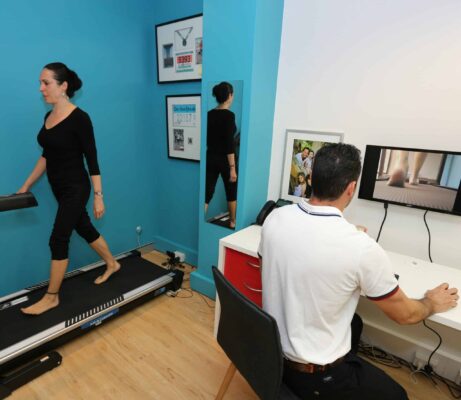
Making a genuine custom orthotic starts long before any foam or plastic gets shaped. A biomechanical assessment comes first, where your podiatrist watches you stand, walk and sometimes run on a pressure plate that maps exactly where load falls across your foot with every step, which is how gait analysis works in practice. This data, combined with a hands-on check of joint range and muscle strength, tells the podiatrist what the device actually needs to correct rather than just where it needs to sit.
From scan to finished device
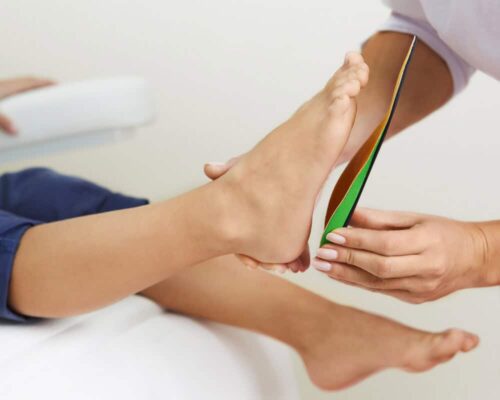
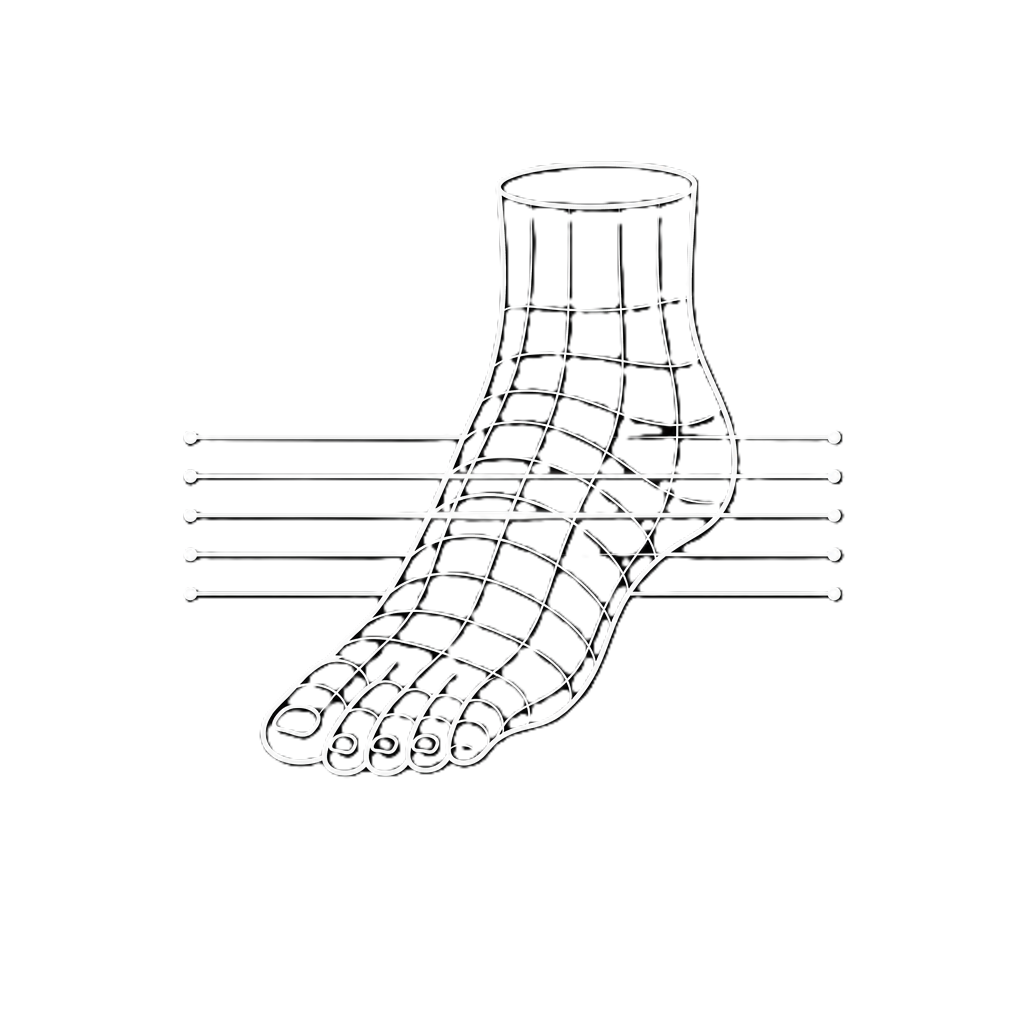
Once the assessment is done, your podiatrist uses 3D foot scanning technology or takes a plaster cast of your foot in its corrected, neutral position, not the collapsed or rolled position it defaults to under load. That scan gets sent to a lab along with a prescription specifying the shell rigidity, heel posting, and any padding needed for pressure relief. This is what separates real custom orthotics inserts for shoes from anything moulded at a kiosk in fifteen minutes: the shape reflects a corrected foot position, not your foot’s current fault.

A cast taken from a faulty foot position just recreates the fault in plastic.
Materials vary depending on what you need. Sports patients often get a semi-rigid polypropylene shell for energy return. Older patients or those with sensitive skin sometimes get custom leather orthotics with a softer top cover for comfort. The steps generally look like this:
- Full gait and pressure plate assessment
- 3D scan or plaster cast taken in corrected position
- Prescription written by your podiatrist, specifying material and posting
- Device manufactured in a lab, usually taking one to two weeks
- Fitting appointment with adjustments made on the spot
Fitting and adjustments
When the finished device arrives, fitting isn’t just slipping it into a shoe and sending you home. Your podiatrist checks how it sits in your actual footwear, watches you walk on it, and grinds down or adds padding to any spot causing rubbing or excess pressure. Wearing in your new orthotics matters here too: most people wear them for two hours a day in the first week, gradually building up, since jumping straight to all-day wear can cause blistering or muscle soreness as your foot adapts to a new position. Genuine custom made shoe orthotics should feel supportive within days, not painful for weeks. If discomfort persists past the first fortnight, that’s a fitting problem, not something to just push through.
Where to buy custom orthotics in Australia
Most people typing where to buy custom orthotics into Google land on one of three options: a podiatry clinic, an online mould-and-post service, or a pharmacy kiosk offering "custom fit" scans in five minutes. Only the first involves an actual clinical assessment. A registered podiatrist examines your gait, checks pressure distribution, and diagnoses what’s actually going wrong before any device gets made. That diagnostic step is what you’re paying for, not just the plastic shell.
Podiatry clinics vs online sellers
Before you search where to buy custom made orthotics and settle for the cheapest option, understand what you’re trading away. Online sellers usually ask you to send in a foam impression you make yourself at home, with no gait analysis and no podiatrist checking whether your foot was even in a corrected position when you pressed into the box. Pharmacy kiosks scan your foot’s current shape too, which means they replicate whatever fault is already there rather than correcting it.
If nobody watched you walk before making the device, it isn’t a real custom orthotic.
Searches for discount custom orthotics are common, and price does matter, but a cheap device built from a bad mould costs you more in the long run through repeat purchases and unresolved pain. A proper clinical assessment upfront saves you from buying the wrong device twice.
What to check before you buy
Use this checklist before you commit to any provider claiming to sell custom orthotics inserts for shoes:
- Does a registered podiatrist (APodA) conduct the assessment, not just a technician?
- Is there a pressure plate or gait analysis involved, not just a foam box impression?
- Can they explain what specific fault the device corrects for your foot?
- Do they offer a fitting appointment with adjustments included?
- Is HICAPS or Medicare EPC claiming available on-site?
ModPod Podiatry runs this exact process across five Sydney clinics: orthotics in Sydney CBD, Mosman, Dee Why, Rose Bay and North Ryde. If you’re searching for custom shoe orthotics near me and want a location with same-week appointments, on-site HICAPS claiming, and podiatrists who explain the diagnosis behind the device, you can book a consultation at whichever clinic suits you best. Choosing a podiatry clinic near you also means adjustments and refits are simple, since you’re not mailing a device interstate every time it needs tweaking.
Custom orthotics for flat feet, high heels and sport
No single orthotic shape works for every foot problem, which is why a good podiatrist designs a different device depending on whether you’re dealing with a collapsed arch, a wardrobe full of heels, or a training block that keeps getting interrupted by injury. Custom-made orthotics for flat feet look and feel nothing like the semi-rigid shells built for a marathon runner, and neither should sit inside a stiletto. The prescription changes based on what your foot needs to do, not just what shape it happens to be.
Flat feet and fallen arches
Treating flat feet effectively, whether you were born with a low arch or it’s dropped over time from weight gain, pregnancy or tendon strain, needs a device that controls how far the arch collapses under load. Custom made orthotics for flat feet typically use a firmer shell with deeper heel cupping to stop the foot rolling inward, paired with arch support built to your exact height rather than a generic wedge. Without that control, the extra strain travels straight up into the knees and lower back, which is why flat-footed patients so often present with pain well above the foot itself.
The right orthotic for flat feet controls the collapse, it doesn’t just pad underneath it.
Custom orthotics for high heels
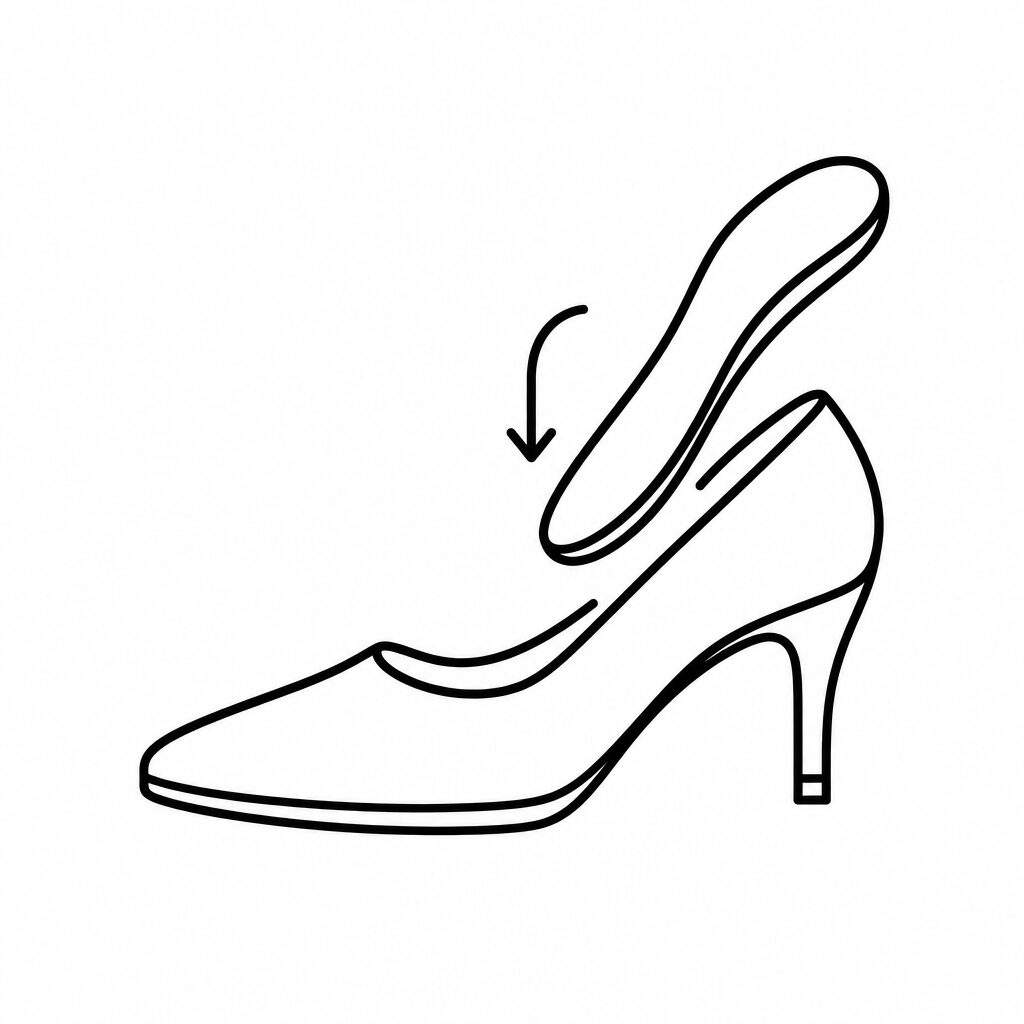
Heels present a genuinely different engineering problem, since a standard orthotic shell is too bulky to sit inside a narrow court shoe. Custom orthotics for high heels are built thinner, with less arch depth and a smaller footprint, often focused on cushioning the ball of the foot where pressure spikes once your heel is lifted. If you’re on your feet in heels for full shifts or long events, this style protects against metatarsalgia and forefoot pain without changing how the shoe fits.
Sports orthotics and biomechanical performance
Sport-specific devices get built from a running gait analysis done at pace, not just walking, since your foot loads completely differently when you run. Common sporting needs include:

- Runners with shin splints or repetitive heel pain from overpronation
- Netball and basketball players needing lateral stability for quick direction changes
- Cyclists requiring a rigid shell for power transfer through the pedal stroke
- Field sport athletes managing turf toe or forefoot impact
Each sport loads the foot differently, so a Sydney sports podiatrist adjusts shell flexibility and forefoot posting to match the demand rather than issuing the same device across every activity.
How much custom orthotics cost
Expect to pay somewhere between $450 and $700 for a full pair of clinically prescribed orthotics insoles custom made from a proper assessment, though the price of custom orthotics in Sydney depends on your clinic, the materials chosen and how complex your gait fault is. That price covers the consultation, gait and pressure plate analysis, the scan or cast, lab manufacturing, and the fitting appointment with adjustments, not just the plastic shell itself. Anyone quoting under $150 for a genuinely custom device is usually skipping a step somewhere in that process.
What affects the price
Several factors push the cost up or down, and it pays to know what you’re actually comparing when you shop around, so it’s worth reading our podiatry fees and pricing before booking.
| Cost factor | Typical impact |
|---|---|
| Assessment complexity | Simple heel pain costs less than a multi-joint deformity |
| Material (polypropylene vs leather) | Leather and softer top covers add to lab fees |
| Number of pairs (sport shoe vs dress shoe) | Extra shells for different footwear increase total cost |
| Clinic location | Sydney CBD clinics may price slightly higher than suburban ones |
| Adjustment visits included | Bundled follow-ups add value even if headline price is higher |
The cheapest device on offer is rarely the cheapest option once you count repeat visits and unresolved pain.
Medicare and private health rebates
Rather than paying the full amount out of pocket, most patients claim back part of the cost through their private health extras cover for podiatry, with HICAPS available on-site at ModPod Podiatry so the rebate processes immediately rather than weeks later. If you hold a chronic disease management plan from your GP, you may also qualify for Medicare’s EPC scheme, which subsidises a portion of eligible podiatry visits, though it won’t cover the full device cost on its own. Checking your specific policy before your appointment saves any surprises at the counter.
Searches for discount custom orthotics spike whenever cost-of-living pressure rises, and it’s a fair instinct to shop around. Just be wary of any provider offering a steep discount without a proper gait assessment attached, since that usually means the diagnostic work has been cut, not just the margin. A well-fitted device that lasts two to five years and actually resolves your pain works out cheaper per year than three or four rounds of ill-fitting drugstore inserts, even before you factor in the physio visits that untreated biomechanical faults tend to generate down the track.

Finding the right fit for your feet
Getting custom orthotics right comes down to one thing: a proper assessment before anyone shapes a device. Skip that step and you’re just buying an expensive guess, whether it’s flat feet, sore heels after standing all day, or knee pain that flares up on your long runs. Choosing a podiatrist over a kiosk or an online mould kit means your device corrects the actual fault in your gait, not just the symptom sitting on top of it.
Stop cycling through drugstore inserts that stop working after a few months. If you’re ready for a device built from a real gait analysis, backed by a podiatrist who explains exactly what’s happening in your feet, book an assessment at one of ModPod’s five Sydney clinics. You can book a custom orthotics appointment online this week and get a proper diagnosis behind whatever you end up wearing in your shoes.