
Choosing the right weight lifting shoes can make a significant difference in your performance. They provide the stability and support needed for heavy lifts.
But with so many options available, how do you pick the best pair? This guide will help you navigate the world of lifting shoes, squat shoes, and even women’s weight lifting shoes.
We’ll explore key features, popular brands, and how to balance function and style. Let’s step into the world of weightlifting sneakers and powerlifting shoes.
Importance of Proper Footwear in Weight Lifting
Weight lifting shoes are more than just a fashion statement. They play a crucial role in your lifting performance.
These shoes provide a solid, non-compressible base. This is essential for stability during heavy lifts.
Moreover, they help maintain proper form. This can prevent injuries and enhance your lifting efficiency.
In short, the right lifting shoes are a key component of a safe and effective weightlifting routine.
Key Features of High-Quality Lifting Shoes
When shopping for weight lifting shoes, there are several key features to consider.
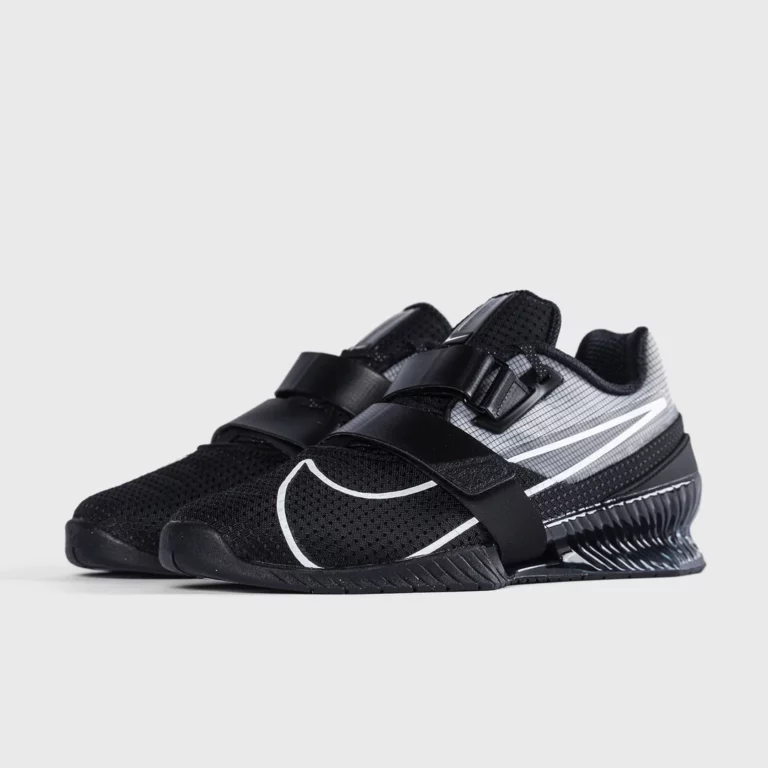
Firstly, look for a solid, non-compressible sole. This provides the stability needed for heavy lifts.
Secondly, consider the heel height. A raised heel can improve your squatting posture and depth.
Ankle support is another important feature. It helps to prevent injuries and provides additional stability.
The closure system, whether laces, straps, or both, also affects shoe stability.
Lastly, consider the shoe’s grip and traction. This is crucial for maintaining your footing on the gym floor.
In summary, the best weight lifting shoes should have:
- A solid, non-compressible sole
- A suitable heel height
- Good ankle support
- A secure closure system
- Excellent grip and traction
Heel Height and Lifting Performance
The heel height in weight lifting shoes plays a crucial role. A raised heel can enhance your squatting posture.
It allows for a deeper squat while maintaining an upright torso. This is beneficial for lifts like the snatch and clean and jerk.
However, the ideal heel height can vary. It often depends on your lifting style and personal comfort.
Women’s Weight Lifting Shoes: Special Considerations
Women’s weight lifting shoes cater to the unique needs of female lifters. They are typically narrower and lighter than men’s shoes.
The heel height may also be slightly lower. This is to accommodate the generally shorter stature of women.
However, the key features remain the same. Stability, comfort, and a non-compressible sole are still essential.
Choosing Between Flat Soles and Raised Heels
The choice between flat soles and raised heels often depends on the type of lifts you perform. Flat soles, like those found in powerlifting shoes, are ideal for deadlifts.
Raised heels, on the other hand, are beneficial for squats. They help maintain an upright posture and deeper squat.
However, personal preference and comfort should also play a role in your decision. Try both types and see which feels better for your lifting style.
Popular Brands and Budget-Friendly Options
There are many brands that offer high-quality weight lifting shoes. Some popular ones include Adidas, Nike, and Reebok. Each brand has its unique features and designs.
However, quality doesn’t always mean expensive. There are budget-friendly options that still offer good support and stability. Brands like Do-Win and VS Athletics are known for their affordable lifting shoes.
Remember, the best shoe is the one that fits well and meets your specific lifting needs.
The Role of Personal Preference and Fit
Choosing the right weight lifting shoes also involves personal preference. Some lifters prefer a snug fit, while others opt for a bit more room. It’s crucial to find a balance between comfort and stability.
Your foot shape also plays a role. Some shoes are better suited for wide feet, while others are designed for narrower feet.
Always try on multiple pairs before making a decision. This ensures you find the best fit for your unique foot shape and lifting style.
Conclusion: Balancing Function and Style
In conclusion, the best weight lifting shoes balance function and style, offering stability, comfort, and a design that suits your personal taste.
If you’re based in Sydney and want expert advice on weightlifting footwear or custom orthotics, the sports podiatrists at ModPod Podiatry can help. Our clinics in Dee Why, Mosman, Rose Bay, North Ryde, and the Sydney CBD provide biomechanical assessments and personalised footwear recommendations for lifters at all levels.
Frequently Asked Questions
What makes weightlifting shoes different from regular gym shoes?
Weightlifting shoes have a firm, non-compressible sole, a raised heel (typically 0.6–1.0 inch), and a secure fit system. These features provide stability for heavy lifts, improve squat mechanics, and allow for efficient force transfer — something regular gym shoes cannot offer.
What heel height is best for squats?
Around 0.75 inches (19mm) is commonly recommended for squats, allowing better ankle dorsiflexion and greater squat depth. However, the ideal heel height depends on your ankle mobility and biomechanics — a sports podiatrist can help determine the best option.
Should I use orthotics inside my weightlifting shoes?
Yes — for lifters with flat feet, overpronation, or biomechanical asymmetry, custom orthotics designed for weightlifting shoes provide additional support. At ModPod Podiatry Sydney, our sports podiatrists prescribe orthotics tailored to your specific lifting footwear.
Do women need different weightlifting shoes?
Women’s weightlifting shoes are generally designed with a narrower toe box and slightly lower heel. Many premium brands offer women’s-specific versions. A podiatrist assessment can determine the right fit and whether custom orthotics would enhance performance.
How do I know if my weightlifting shoes fit correctly?
Your shoes should feel snug but not painful, with no heel slippage and adequate toe room. Visit one of our ModPod Podiatry clinics across Sydney — in Dee Why, Mosman, Rose Bay, North Ryde, or the CBD — for expert footwear advice.
How long do weightlifting shoes last?
Quality weightlifting shoes can last 3–5 years with proper care. Signs it’s time for a new pair include visible sole compression, loss of stability, or discomfort during lifts. Custom orthotics from a Sydney podiatrist can also extend the effective life of your shoes.
Book an Appointment at ModPod Podiatry, Sydney
If you’re experiencing foot or lower limb pain, the experienced podiatrists at ModPod Podiatry are here to help. With convenient clinics across Sydney — including Dee Why, Mosman, Rose Bay, North Ryde, and CBD (Hunter Street) — you’ll always have expert care close by. Call us on (02) 9960 3981 or book online today to get back on your feet.