
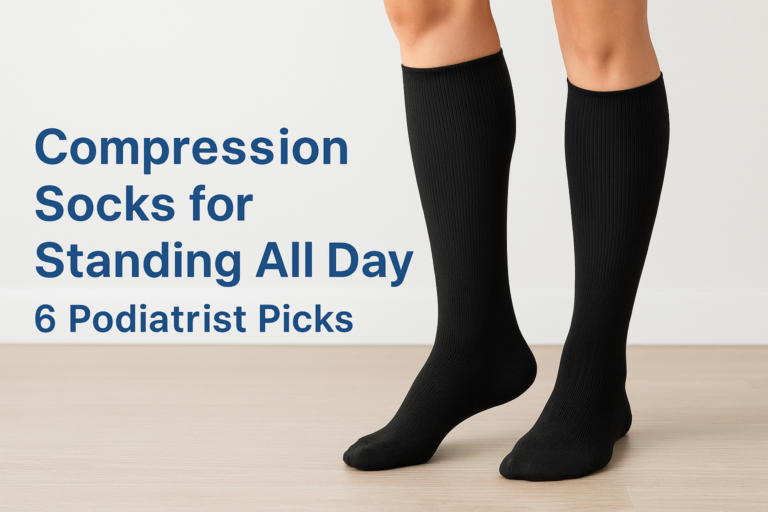
If you’re on your feet for eight, ten, even twelve hours a shift, your legs know it by mid-afternoon. Nurses, retail staff, hospitality workers and tradies all ask us the same question: which compression socks for standing all day actually work, rather than just feeling like a tight sock? The heaviness, swelling and aching by the end of a shift isn’t something you have to accept as part of the job.
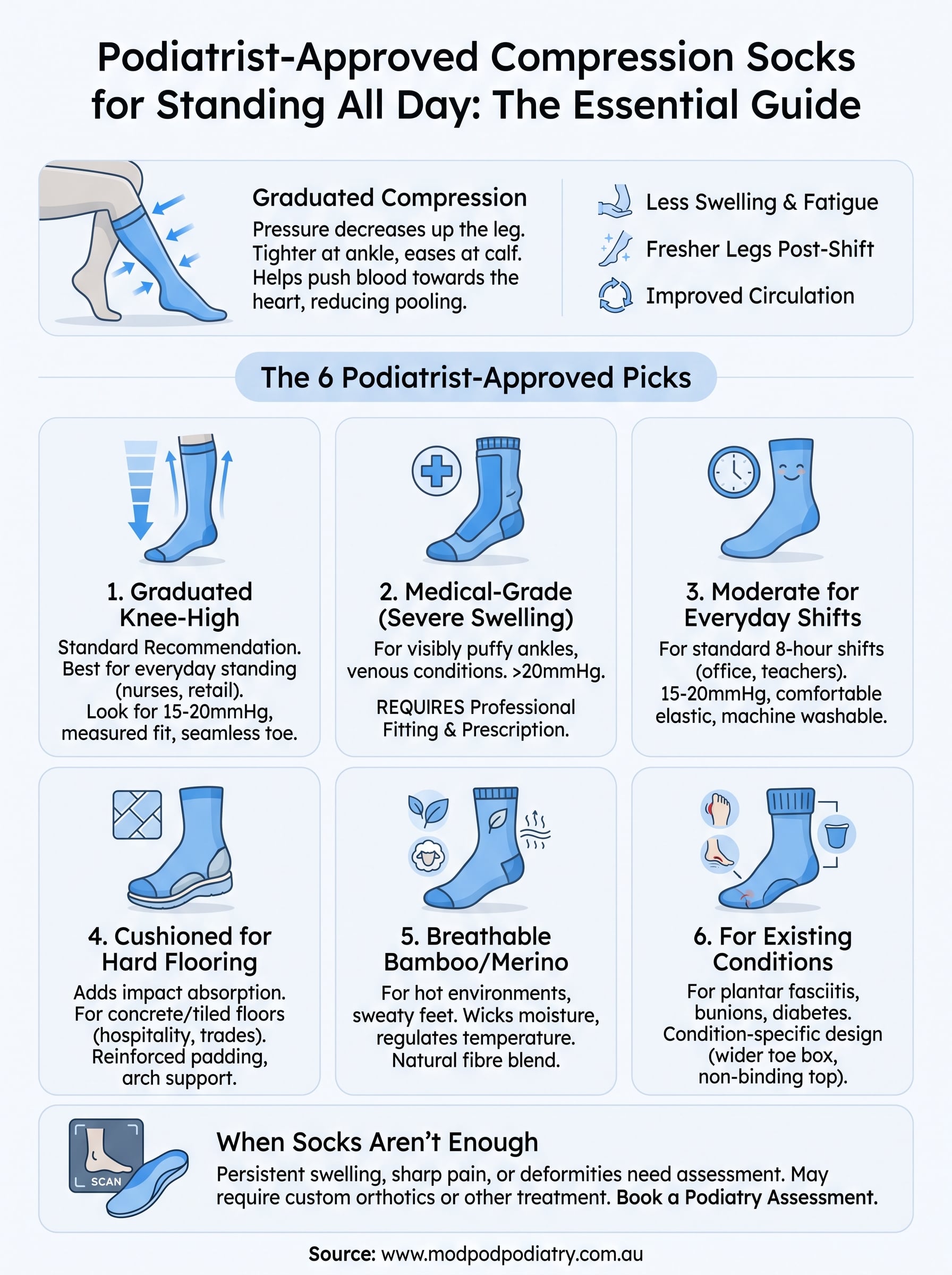
The right pair applies graduated pressure, tighter at the ankle, easing up the calf, to help push blood back towards your heart instead of pooling in your lower legs. That means less swelling, less fatigue, and legs that feel noticeably fresher when you clock off, along with the wider health gains compression socks offer. Not every sock on the shelf delivers this properly, and compression level, fit and fabric all matter more than most people realise.
We see the effects of long standing hours on feet and legs every week in our Sydney clinics, so we’ve put together six podiatrist-approved picks based on what actually helps our patients. We’ll walk you through compression ratings, sizing tips and who each pair suits best, so you can choose with confidence rather than guesswork.
1. Graduated knee-high compression socks
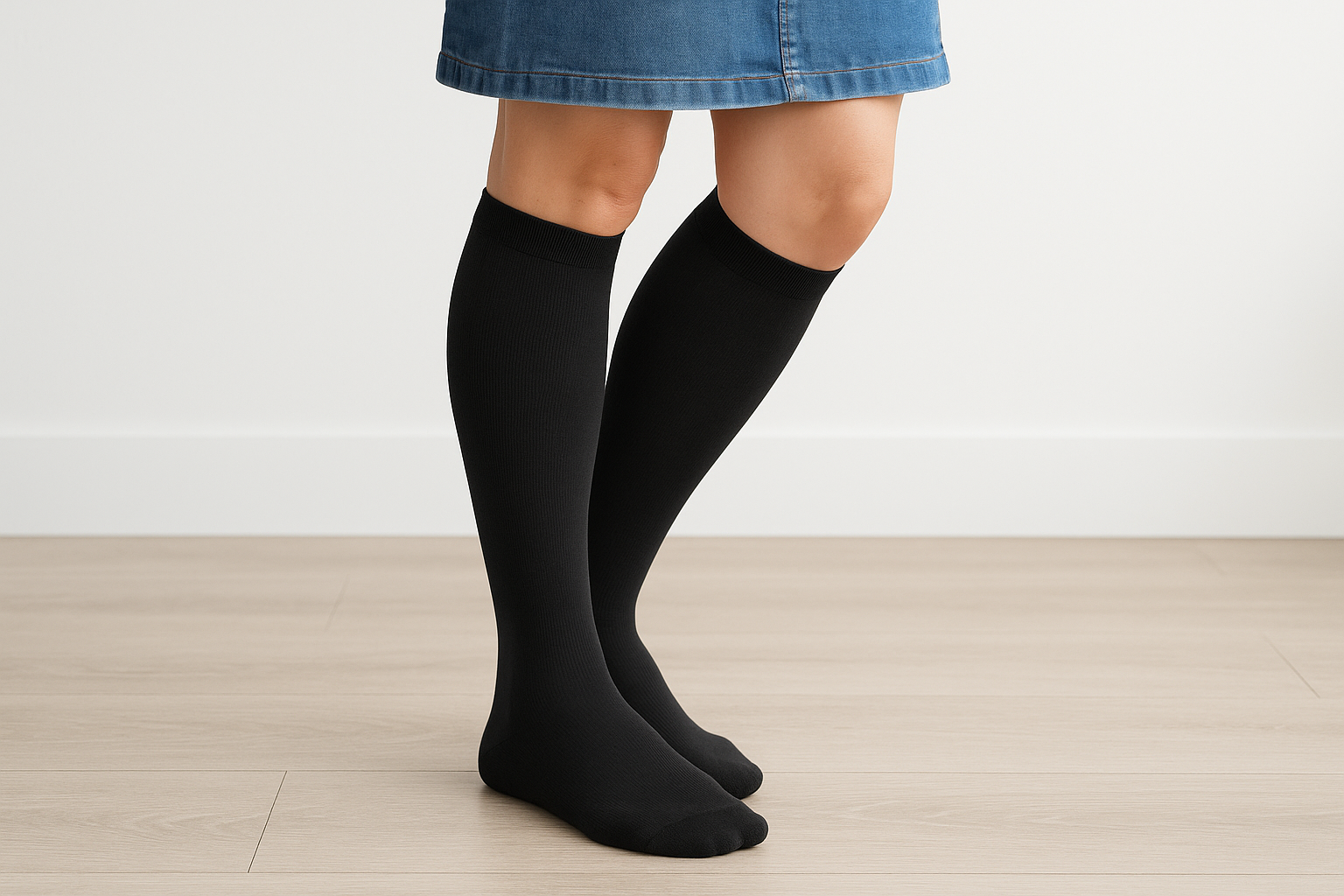
Graduated knee-high compression socks are the standard recommendation we give patients who stand all day, and for good reason. They’re the most studied and widely available style, sold at pharmacies, sports stores and medical suppliers, so you’re not stuck hunting for a niche product. If you only buy one pair from this list, this is the style to start with.
How it works
These socks squeeze tightest at the ankle and gradually loosen as they rise towards the knee, which is what "graduated" means, and it helps to understand the science behind compression socks before you buy. This pressure gradient works with your calf muscle pump to push blood upward against gravity, rather than letting it pool around your ankles by 3pm. Studies referenced by the Australian Government’s Therapeutic Goods Administration confirm graduated compression improves venous return in people who stand or sit for long periods, which is exactly the demographic asking about compression socks for standing all day.
Graduated compression works with your calf muscles to push blood upward, not just squeeze your leg evenly.
Who it’s for
Nurses, hairdressers, baristas, retail assistants and anyone doing repetitive standing shifts benefit most from knee-highs, because the compression covers the full calf where fatigue and mild swelling typically build up, and we’ve covered the best compression socks for nurses in Australia separately. We also recommend them to patients who travel a lot for work, since the same pooling issue behind puffy ankles on long flights happens in the air too. If your job has you moving between standing and walking rather than staying static, knee-highs give better coverage than ankle socks or sleeves alone.
What to look for
Fit matters more than brand name here. A sock that’s too loose won’t apply real graduated pressure, and one that’s too tight at the calf can cut off circulation instead of aiding it.
- Compression rating of 15-20mmHg for everyday standing work
- Measured sizing based on ankle and calf circumference, not just shoe size
- A reinforced heel and toe for durability under a full shift
- Seamless toe construction if you’re prone to rubbing or blisters
- A top band that sits comfortably below the knee without digging in
Get fitted properly rather than guessing your size online, since a poor fit undoes most of the benefit.
2. Medical-grade compression socks for severe swelling
When ordinary compression socks aren’t cutting it, medical-grade options step in. These are the socks we prescribe for patients whose ankles are visibly puffy by lunchtime, not just tired. Medical-grade compression sits in a stronger pressure band than anything you’ll find on a supermarket shelf, and it’s usually fitted rather than bought off the rack.
How it works
Because the compression rating jumps to 20-30mmHg or higher, these socks push considerably more fluid out of the tissue and back into circulation. Given the strength involved, a podiatrist or GP typically needs to measure your leg and, in some cases, write a prescription before a supplier will fit you properly.
If your ankles are still swollen the next morning, you’ve moved past what standard standing all day socks can fix.
Who it’s for
This tier suits people managing lymphoedema, chronic venous insufficiency, or swelling linked to varicose veins, alongside anyone standing all day with a diagnosed circulatory condition. Shift workers who’ve tried moderate compression without relief often fall into this category too. Speak with a podiatrist before jumping straight to this strength, since too much pressure without proper fitting can cause its own problems.
What to look for
- Compression rating above 20mmHg, fitted by a professional
- A doctor’s or podiatrist’s assessment beforehand
- Reinforced, durable fabric built for daily wear
- Confirmation of any Medicare or health fund rebate eligibility
Regardless of brand, don’t self-prescribe this level of compression without guidance.
3. Moderate compression socks for everyday shifts
Most people asking about compression socks for standing all day don’t need medical-grade strength, they need something reliable for a standard eight-hour shift. Moderate compression sits between the light everyday sock and the prescription-level options, and it’s what we recommend to the bulk of patients who just want fresher legs by the end of the day without any fuss.
How it works
Sitting around 15-20mmHg, moderate compression gives your calf muscle pump enough assistance to keep blood moving without feeling restrictive. Unlike medical-grade socks, you don’t need a fitting appointment or prescription, so they’re easy to buy online or from a pharmacy and start wearing straight away, and it’s worth comparing compression socks reviewed by our podiatrists before you order.
For a typical shift, moderate compression gives you real benefit without the hassle of a medical fitting.
Who it’s for
Office workers who stand for meetings, retail staff, teachers, chefs and anyone doing a consistent but non-extreme standing day suits this category well. It’s also a sensible starting point if you’re new to compression and want to see how your legs respond before considering a stronger option. Everyday wearers who just want standing all day socks that work without medical involvement land here.
What to look for
- Compression rating of 15-20mmHg, the most common everyday strength
- Comfortable elastic that doesn’t dig in after several hours
- Machine-washable fabric that holds its stretch over repeated wear
- A style that suits your footwear, whether that’s crew length or knee-high
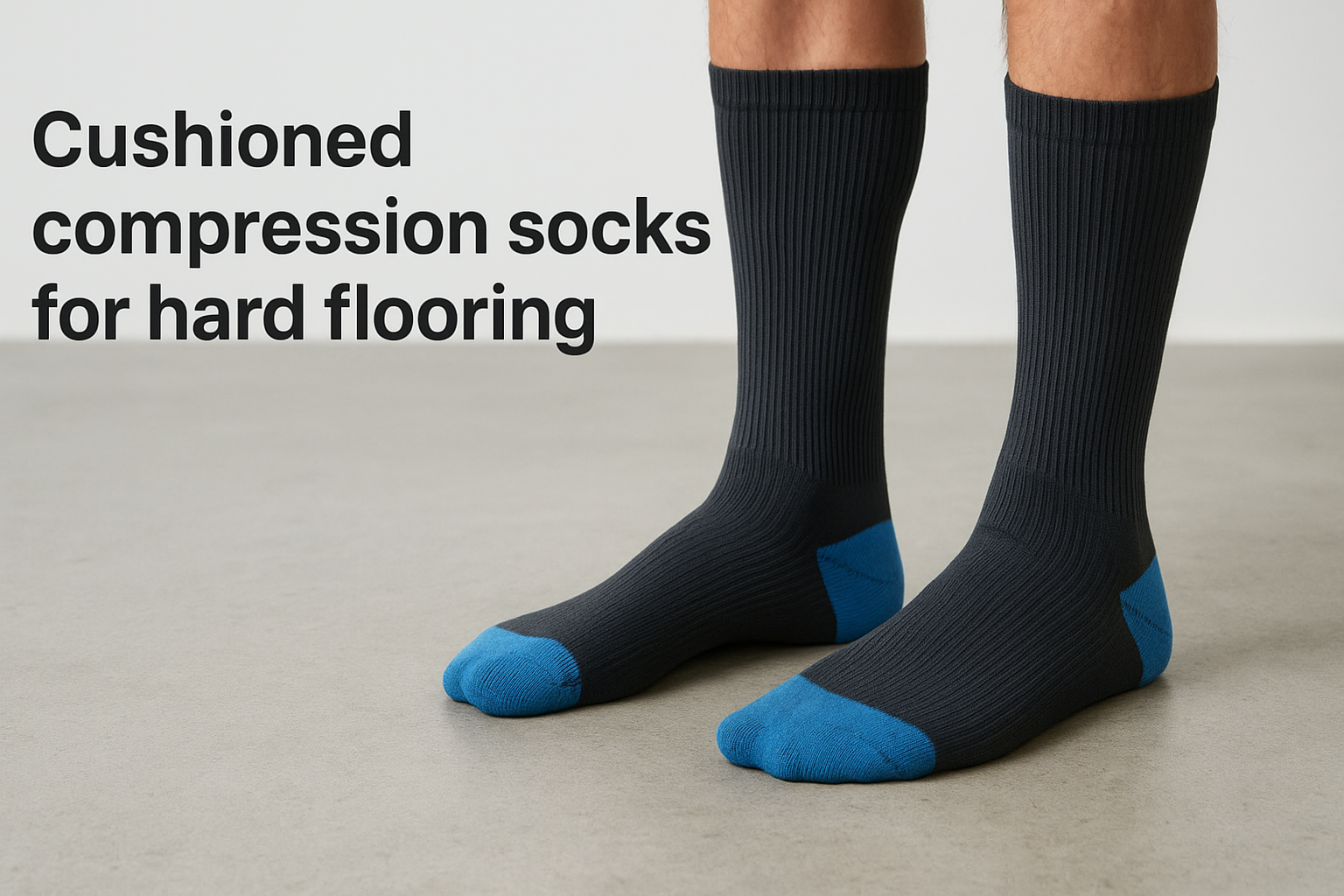
4. Cushioned compression socks for hard flooring
If your job has you standing on concrete, tile or industrial flooring all day, compression alone won’t solve everything. Cushioned compression socks add impact-absorbing padding through the sole and heel, tackling the joint strain and foot fatigue that plain compression can’t touch. We recommend this style often to hospitality and warehouse workers who tell us their legs feel fine but their feet ache by mid-shift.
How it works
Extra padding is woven into high-pressure zones, typically the heel, ball of the foot and sometimes the arch, while graduated compression still runs through the calf as normal. This combination reduces the jarring impact of hard surfaces while still supporting circulation for standing through your lower leg, which is exactly what compression socks do for circulation. Think of it as compression socks doing two jobs at once, cushioning the strike and pushing blood upward.
Compression handles circulation, but cushioning handles the shock your joints absorb with every step on concrete.
Who it’s for
Kitchen staff, factory workers, tradies on site and retail employees on tiled floors get the most out of this style. Anyone who’s noticed sore heels or balls of the feet alongside general leg fatigue should try cushioned compression before assuming they need orthotics.
What to look for
- Reinforced padding at the heel and forefoot
- Compression rating of 15-20mmHg for standard shifts
- Arch support built into the knit, not just added cushioning
- Durable fabric that holds shape under repeated hard-surface wear
5. Breathable bamboo or merino compression socks
Sweaty feet and overheated calves make even the best compression sock unbearable by the afternoon, which is where breathable natural fibres come in. Bamboo and merino wool compression socks trade some of the synthetic stretch found in nylon blends for fabric that manages moisture and temperature far better, without giving up the graduated pressure your legs need.
How it works
Bamboo fibre wicks sweat away from the skin and dries quickly, while merino wool regulates temperature by trapping air close to the foot in cooler months and releasing heat when things warm up. Both fabrics are blended with elastic yarns to keep the graduated compression intact, so you’re not sacrificing circulation support for comfort.
Compression that makes your feet overheat by lunchtime is compression you’ll stop wearing by Thursday.
Who it’s for
This style suits anyone standing all day in warmer climates, kitchens, or non-air-conditioned environments, plus people prone to sweaty feet or fungal issues who need moisture control as much as circulation help. Outdoor workers and tradies who deal with standing all day in changeable weather often find natural fibres more comfortable across a full shift than pure synthetic options.
What to look for
- A blend of bamboo or merino with nylon or spandex for durability
- Compression rating of 15-20mmHg, unless a professional has advised higher
- Odour-resistant properties, particularly useful for daily wear
- Reinforced heel and toe, since natural fibres can wear faster than pure synthetics
6. Compression socks for existing foot conditions
Plantar fasciitis, bunions, diabetic feet and swollen toes all change what you need from a sock. If you’re already managing a diagnosed foot condition, generic compression socks can sometimes rub, restrict, or simply miss the area that’s actually causing pain. We often pair this style with a broader treatment plan for stubborn heel pain once we’ve assessed what’s driving the discomfort.
How it works
Socks built for existing conditions combine graduated compression with condition-specific design, such as a wider toe box for bunions, seamless panels for sensitive skin, or extra arch support for plantar fasciitis. Diabetic-friendly versions skip tight elastic bands entirely and use non-binding tops to protect circulation in feet that are already compromised, which is a core part of looking after diabetic feet.
A sock built for a healthy leg can actually aggravate a diagnosed foot condition instead of helping it.
Who it’s for
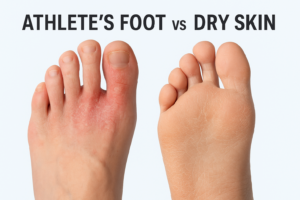
This category suits people with diabetes, arthritis, bunions, plantar fasciitis, or poor peripheral circulation who stand all day and need foot condition support alongside general circulation help. It’s also worth trying if standard compression socks have left you with rubbing, numbness or new pain rather than relief.
What to look for
- Non-binding, diabetic-safe top bands where relevant
- Extra room in the toe box for bunions or hammertoes
- Reinforced arch support for plantar fasciitis
- A podiatrist assessment before choosing compression strength
Don’t guess with an existing condition. Get it checked first.
When compression socks aren’t enough
Sometimes the right pair of compression socks for standing all day still isn’t enough to fix what’s going on in your legs and feet. Persistent swelling, numbness, sharp heel pain or toe deformities point to something a sock can’t resolve on its own, no matter how good the fabric or compression rating. That’s when a proper assessment matters more than another online purchase.
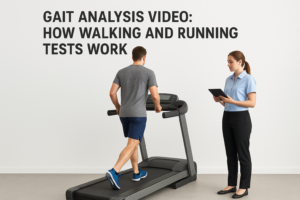
Our podiatrists across Sydney see this constantly: patients who’ve tried every sock on the market before finding out their pain actually stems from biomechanics, footwear, or a condition needing direct treatment such as podiatrist-prescribed orthotics. A gait assessment and pressure plate analysis can pinpoint what’s really driving your discomfort, whether that’s a need for custom support or something else entirely.
If your legs and feet are still aching despite good compression, don’t keep guessing. Book a podiatry assessment at one of our Sydney clinics and let one of our podiatrists work out what’s actually going on.