
A corn on the foot can be a real pain, both literally and figuratively. These small, hardened areas of skin develop from repeated friction or pressure and can cause significant discomfort, affecting your daily activities. At ModPod Podiatry, our Sydney podiatrists — with clinics in Dee Why, Mosman, Rose Bay, North Ryde, and the CBD — treat corns regularly and offer fast, effective relief.
But what exactly are corns? How do they form? And most importantly, how can you get rid of them?
In this comprehensive guide, we’ll delve into the causes and treatment of corns on feet. We’ll help you understand what corns are, how to identify them, and the various treatment options available.
Whether you’re dealing with a stubborn corn on your foot or simply want to learn more about foot health, this article is for you.

Understanding Corns: What Are They?
Corns are small, hardened patches of skin that develop on your feet. They’re typically round in shape and can cause a great deal of discomfort when you walk or wear shoes.
They form due to repeated friction or pressure on a specific area of your foot. Here are some key characteristics of corns:
- They’re often found on non-weight-bearing parts of the foot, like the tops and sides of your toes.
- Corns can be hard or soft, depending on their location and the amount of pressure they’re subjected to.
- They’re usually painful when pressed.
Common Causes of Corns on Feet
Corns are primarily caused by pressure and friction on the skin of your feet. The most common causes include wearing tight shoes, not wearing socks, and walking or standing for long periods. Certain foot deformities, such as bunions or hammertoes, can also lead to corn development.
- Wearing tight or ill-fitting shoes
- Not wearing socks with shoes
- Walking or standing for long periods
- Foot deformities like bunions or hammertoes
The Role of Footwear in Corn Development
Your choice of footwear plays a significant role in the development of corns. Shoes that are too tight, too loose, or don’t fit properly can cause friction and pressure on your feet. High heels can squeeze the front of your foot, leading to corns. On the other hand, loose shoes can cause your foot to slide and rub against the shoe.
Types of Corns and How to Identify Them
Corns come in different types. The three main types are hard corns, soft corns, and seed corns.
- Hard corns: Found on tops and sides of toes
- Soft corns: Develop between toes
- Seed corns: Found on the bottom of the foot

What Does a Corn Look Like?
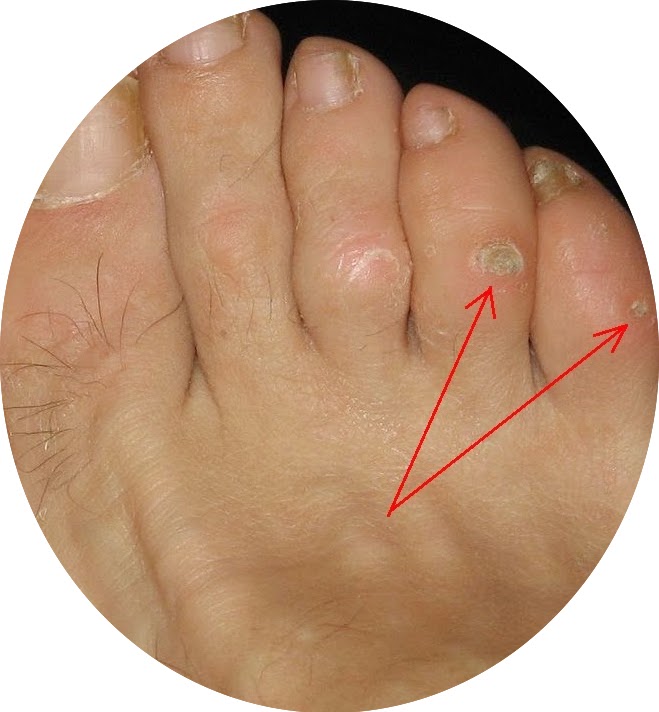
A corn typically appears as a small, hard, and round bump on the skin. It’s often surrounded by inflamed skin and can be painful when pressed. Corns can be mistaken for calluses or warts due to their similar appearance. However, unlike calluses, corns have a hard center and are often painful when pressure is applied.
Home Remedies for Corn Removal
Some of the most effective home remedies include soaking your feet in warm water, using a pumice stone to gently file the corn, and applying over-the-counter corn pads.
- Soak your feet in warm water for about 15 minutes to soften the corn.
- Gently rub the corn with a pumice stone to remove the dead skin.
- Apply an over-the-counter corn pad to the area.
- Repeat this process daily until the corn is removed.
How to Safely Trim Corns and Calluses
If you have a corn or callus, you might be tempted to trim it yourself. Always use a sterilized tool and don’t cut too deeply to avoid infection. If you’re unsure or if the corn or callus is painful, it’s best to seek professional help from a qualified Sydney podiatrist.
When to Seek Professional Foot Corn Treatment
While home remedies can be effective, there are times when professional help is needed. If your corn is causing severe pain, or if it becomes red and swollen, it’s time to see a doctor. Also, individuals with diabetes or poor circulation should always seek professional help for foot issues. ModPod Podiatry’s Sydney clinics — in Dee Why, Mosman, Rose Bay, North Ryde, and the CBD on Hunter Street — make it easy to access expert care close to home.

Medical Interventions for Corn Removal
Podiatrists have several methods for treating corns. These treatments are typically more effective and faster than home remedies.
- Debriding the hard skin and removing the center with a scale (painless)
- Looking at foot mechanics to find out the cause
- Using padding and orthotics to offload the area to stop it coming back.
Preventing Corns: Tips and Best Practices
Preventing corns is often easier than treating them. The key is to reduce friction and pressure on your feet.
- Wear shoes that fit properly. They should be comfortable, with enough room for your toes.
- Keep your feet clean and dry. Moisture can soften the skin and make it more prone to corns.
- Use protective pads or cushions if you have areas that are prone to corns.
- Regularly moisturize your feet to keep the skin soft and supple.
- Regular medical pedicures with your podiatrist.
The Importance of Proper Foot Care and Hygiene
Proper foot care and hygiene are crucial in preventing corns. This includes washing your feet daily, drying them thoroughly, and using a moisturizer. Avoid walking barefoot as much as possible, as this can expose your feet to unnecessary friction and pressure.
Frequently Asked Questions About Corns on Feet
What is the difference between a corn and a callus?
A corn has a hard, dense centre and is typically small, round, and painful when pressed. A callus is a broader, flatter area of thickened skin that usually develops on the heel or ball of the foot and is less painful. Both are caused by friction and pressure. A Sydney podiatrist can accurately diagnose which you have and recommend the most appropriate treatment.
Can a podiatrist remove a corn in one visit?
In most cases, yes. At ModPod Podiatry, our Sydney podiatrists can painlessly debride and remove the hard skin and corn nucleus during a single appointment. We also assess your foot mechanics to understand why the corn developed, and may recommend padding or custom orthotics to prevent recurrence.
Do corn removal pads from the chemist work?
Over-the-counter corn pads can soften the skin around a corn, but they typically do not address the underlying cause. Many contain salicylic acid, which should be used with caution — especially by people with diabetes or poor circulation. For safe and effective corn removal in Sydney, we recommend booking with a qualified podiatrist rather than relying solely on chemist products.
Why do my corns keep coming back?
Corns recur when the underlying cause — such as ill-fitting footwear, foot deformities, or abnormal foot mechanics — is not addressed. Simply removing the corn treats the symptom, not the cause. A podiatrist can assess your gait, foot structure, and footwear to create a long-term plan that helps prevent corns from returning.
Are corns dangerous for people with diabetes?
Yes. People with diabetes have reduced sensation and circulation in their feet, which means corns can develop without causing obvious pain and may lead to ulcers or infection if left untreated. It is important for diabetics in Sydney to have their feet checked regularly by a podiatrist. Do not attempt to cut or treat corns yourself if you have diabetes.
How long does it take for a corn to go away after treatment?
After professional debridement by a podiatrist, pain relief is usually immediate. The area of thickened skin may take a few weeks to fully normalise. If the cause is addressed — through better footwear, padding, or orthotics — corns may not return at all.
Book Your Corn Treatment at ModPod Podiatry Sydney
Maintaining healthy, pain-free feet is a combination of good hygiene, proper footwear, and regular professional care. If a corn on your foot is causing you discomfort, don’t wait — the expert team at ModPod Podiatry is ready to help.
Our experienced Sydney podiatrists can remove corns quickly and painlessly, assess the root cause, and provide tailored advice to keep your feet corn-free for longer. With clinics in Dee Why, Mosman, Rose Bay, North Ryde, and the CBD on Hunter Street, expert care is always close by. Book your appointment online today or call (02) 9960 3981.