Custom Orthotics Sydney: Are They Worth It?

heading strip
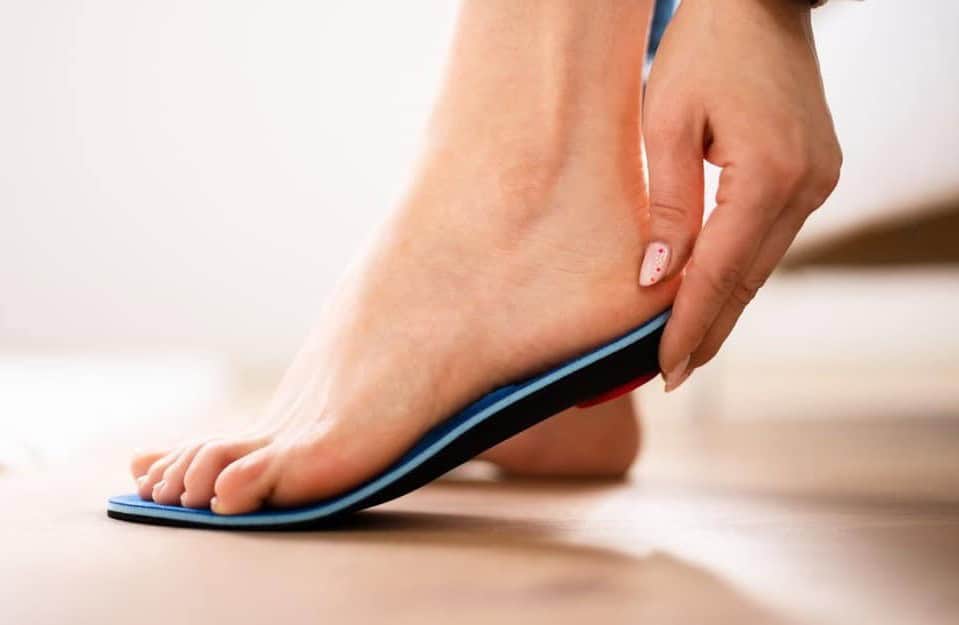
Podiatrist holding a custom orthotic insole at ModPod Podiatry Sydney clinic

If you’ve been told you need custom orthotics, your first question is probably “how much will this cost me?” — closely followed by “will they actually work?” It’s a fair question. Custom orthotics in Sydney can cost $400–$600, and that’s a real investment. The short answer: for the right person with the right condition, they can be genuinely life-changing. For someone who just needs a bit more cushioning, they may not be necessary. In this post, we’ll walk you through exactly what custom orthotics are, which conditions they help (and which they don’t), how much they cost in Australia, and what happens when you come to ModPod for an orthotics consultation.

Custom Orthotics vs Off-the-Shelf: What’s the Difference?

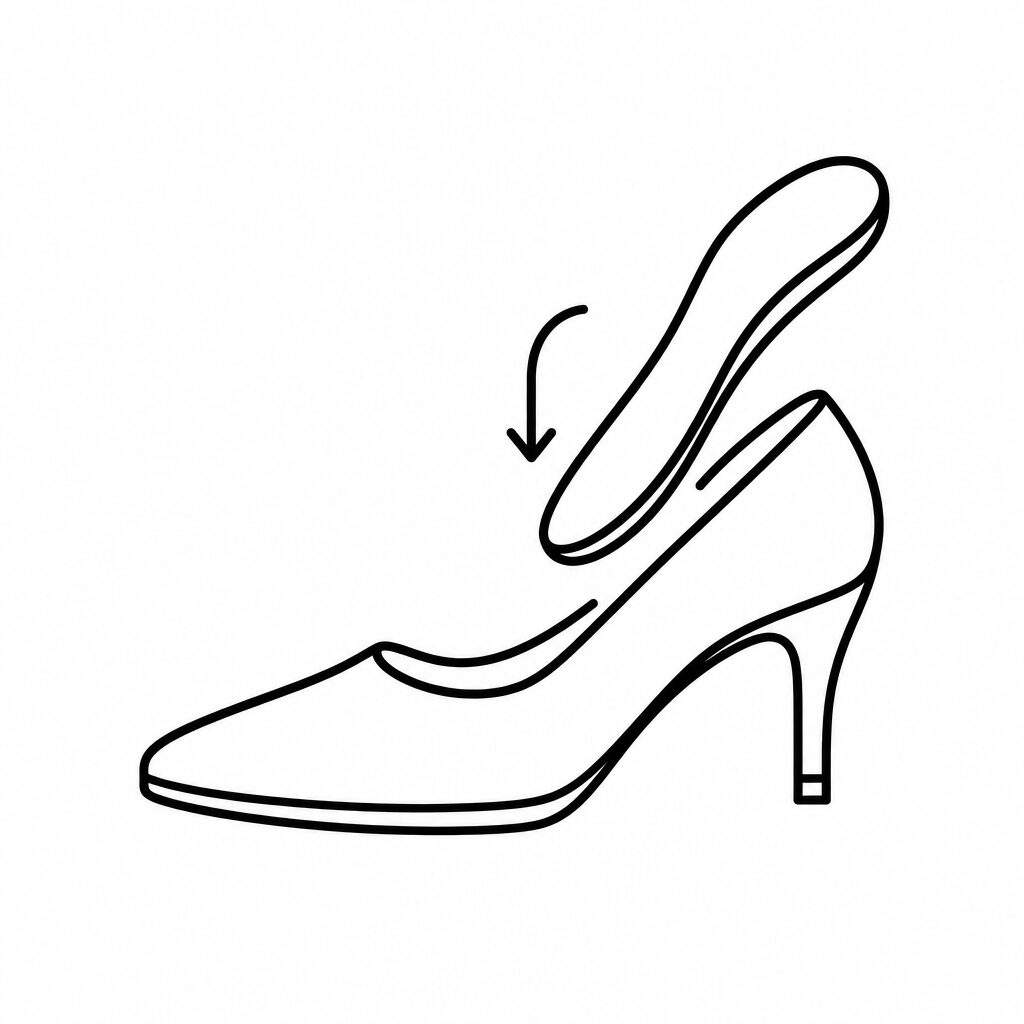
Custom orthotics are prescription medical devices made specifically for your feet. A podiatrist conducts a full assessment, analyses how you walk, and prescribes an orthotic designed to correct your specific gait or foot structure. The result is a device tailored to your foot shape, weight, footwear and daily activities.

Off-the-shelf orthotics — the $30–$60 insoles you find at the chemist or sporting goods store — are generic. They offer basic cushioning and mild arch support, but aren’t designed for your unique biomechanics. For mild discomfort or people with average foot structure, they may offer short-term relief. But if your foot mechanics are the root cause of your pain, a generic insole won’t correct the underlying problem.

What Are Custom Orthotics Made From?

Custom orthotics are typically made from polypropylene (firm, for control and correction), EVA foam (softer, for cushioning and off-loading), or a combination of both. At ModPod, we use 3D scanning technology to capture your exact foot geometry — this eliminates guesswork and produces a more accurate prescription device than traditional plaster casting.

What Conditions Do Custom Orthotics Help?

Custom orthotics are effective for a wide range of musculoskeletal conditions, particularly where abnormal foot mechanics contribute to the problem. These include:

  • Plantar fasciitis and heel pain — orthotics off-load the plantar fascia and support the arch, reducing strain on the tissue with every step. If you’ve been dealing with plantar fasciitis for more than a few weeks, biomechanical support is often part of the solution.
  • Flat feet (pes planus) — custom devices control excessive pronation (the inward rolling of the foot), reducing stress on the feet, ankles, knees and lower back
  • High arches (pes cavus) — cushioned orthotics redistribute pressure and improve shock absorption
  • Achilles tendinopathy — heel lifts and corrective orthotics reduce tension on the Achilles tendon during movement
  • Knee pain — controlling foot pronation can reduce the inward rotation force transmitted to the knee
  • Lower back pain — when foot mechanics alter your pelvic alignment, orthotics can provide meaningful relief further up the chain
  • Metatarsalgia — forefoot padding and metatarsal domes help off-load pressure across the ball of the foot
  • Bunions — while orthotics won’t reverse a bunion, understanding how orthotics help bunion treatment is that they slow progression and reduce pain during everyday activity

When Orthotics Might Not Be the Answer

Here’s something we’re honest about at ModPod: orthotics don’t fix everything, and they’re not always the best first step.

If your pain is from a soft tissue injury that needs hands-on treatment — such as dry needling, massage, or shockwave therapy — orthotics alone won’t resolve it. If your pain is nerve-related, vascular or inflammatory in origin, a different pathway is needed first.

Orthotics also require consistent wear to be effective. If you’re mostly barefoot at home or you’re unlikely to change your footwear habits, the results will be limited. And for children, orthotics are often not the starting point — we look at stretching, footwear changes and activity modification first.

We only prescribe orthotics when the clinical evidence points to biomechanical dysfunction as a key driver of your pain. If orthotics aren’t right for your situation, we’ll say so — and explain what will help instead.

How Long Do Custom Orthotics Last?

A well-made pair of custom orthotics typically lasts 2–5 years, depending on:

  • How often you wear them
  • Your activity level and body weight
  • The materials used — firmer polypropylene lasts longer; softer EVA compresses over time
  • Whether your foot mechanics change significantly (for children, more frequent replacement is common)

We recommend a review every 12–18 months to check for wear and to confirm the prescription is still appropriate for your needs.

The ModPod Orthotics Process

Getting custom orthotics at ModPod involves several steps — and each one matters.

Step 1 — Biomechanical Assessment

Your appointment starts with a biomechanical assessment — the first step to orthotics. Your podiatrist examines your foot structure, ankle and lower limb alignment, joint range of motion, muscle strength, and any areas of tenderness. This gives us a complete picture of how your feet are functioning and where the mechanics are going wrong.

Step 2 — Gait Scan Analysis

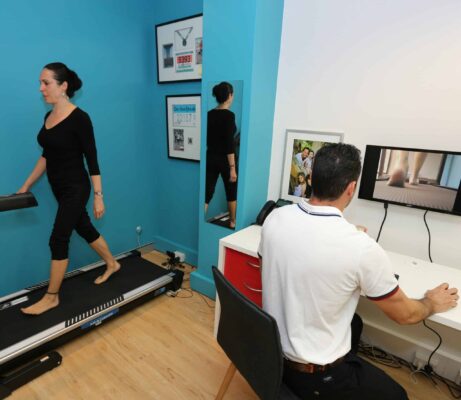
We then perform gait scan analysis for orthotics prescription using our computerised pressure plate. You walk across the scanner and we capture real-time data on how pressure distributes across your foot during movement. This identifies pronation patterns, pressure hot spots and timing irregularities that aren’t always obvious from observation alone.

Step 3 — 3D Foot Scan and Prescription

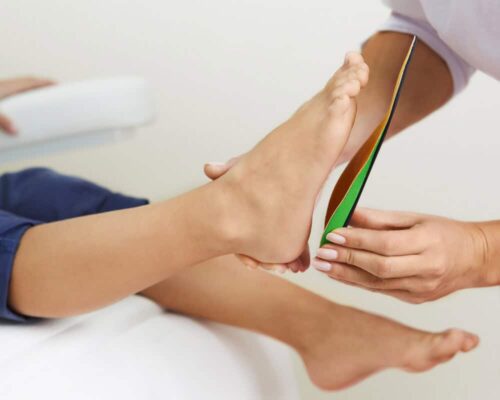
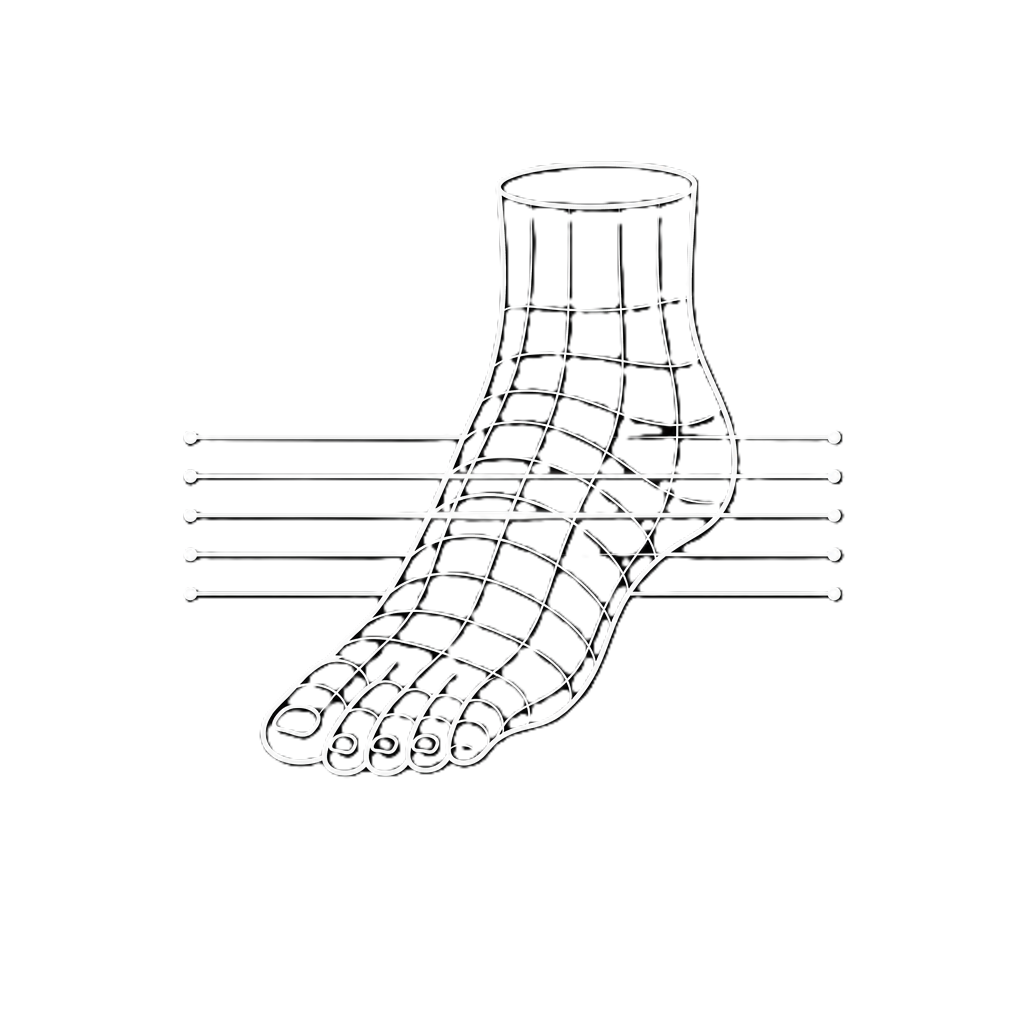
Using 3D scanning technology, we capture the exact contours of your feet. Your podiatrist then writes a detailed prescription specifying the orthotic design, materials, posting angles and any additions needed — such as metatarsal pads or heel raises. This is sent to a specialist orthotic laboratory.

Step 4 — Manufacture and Fitting

Custom orthotics typically take 2–3 weeks to manufacture. When they arrive, you come in for a fitting appointment. We check the fit across several pairs of your everyday footwear and make any minor adjustments needed. You’ll receive guidance on how to break them in gradually — wearing them for a few hours a day at first helps your body adapt without soreness.

Step 5 — Six-Week Review

We include a 6-week review in every orthotics prescription. This appointment confirms the orthotics are doing their job, checks for any pressure areas, and allows us to fine-tune the fit. Most people notice improvement in their symptoms within 4–8 weeks of consistent wear.

How Much Do Custom Orthotics Cost in Sydney — and Can Health Funds Help?

Custom orthotics in Sydney typically cost $400–$600. This covers the biomechanical assessment, gait scan, 3D scan, prescription, manufacture, fitting and 6-week review — the full process, not just the device.

Private Health Fund Rebates

Most Extras health insurance policies cover a portion of custom orthotic costs. Typical rebates from major funds are:

  • Medibank: $100–$200 per year on orthotics, depending on your cover level
  • BUPA: $100–$250 per year on custom orthotics
  • HCF: $120–$300 per year depending on your tier
  • NIB: Most mid-tier and above plans include orthotics with varying annual limits

Check your specific policy before your appointment, as annual limits and rebates vary. ModPod is a registered provider with all major health funds and processes on-the-spot HICAPS claims at all five Sydney locations — CBD, Mosman, Dee Why, Rose Bay and North Ryde.

Medicare and the Chronic Disease Management Plan

Medicare doesn’t directly cover orthotics. However, if you have a chronic condition managed by your GP — such as diabetes, arthritis or a musculoskeletal condition — you may be eligible for a Chronic Disease Management (CDM) plan. This provides up to 5 subsidised allied health visits per calendar year (approximately $58 per visit), which can include your orthotics assessment and review appointments.

Ask your GP whether a CDM plan (also called an Enhanced Primary Care or EPC plan) is appropriate for your condition.

Are Orthotics Tax Deductible?

In some circumstances, yes. If orthotics are required as a result of a work-related injury or form part of treatment for a chronic health condition, they may be claimable with the ATO. We recommend speaking with your accountant about your specific situation.

The Honest Verdict: Are Custom Orthotics Worth It?

For people with persistent foot, knee or lower back pain driven by poor foot mechanics, custom orthotics in Sydney are worth it. They’re a one-time investment that lasts years, can reduce the need for ongoing treatment, and — for the right condition — can change how you move through your day.

For people with mild, temporary discomfort, a quality off-the-shelf insole may be all you need. We won’t push you toward custom orthotics if a simpler option will work just as well.

The key is getting the right assessment first. A thorough biomechanical evaluation tells us whether your pain is mechanics-driven and whether orthotics are likely to make a real difference. Without that assessment, you’re guessing.

Frequently Asked Questions

Q: How do I know if I need custom orthotics or off-the-shelf ones?
A: The best way to know is a professional assessment. Off-the-shelf orthotics suit people with mild discomfort and broadly normal foot mechanics. Custom orthotics are prescribed when your foot structure or gait pattern is directly contributing to pain or injury, and a generic insole won’t provide the correction needed.

Q: Are custom orthotics worth it for flat feet?
A: For many people with flat feet who experience pain — in the arch, heel, ankles, knees or back — custom orthotics are very effective. They control excessive pronation and redistribute load more evenly. That said, not all flat feet are painful, and not all painful flat feet require orthotics. An assessment will tell you which category you’re in.

Q: Do custom orthotics hurt when you first wear them?
A: It’s normal to feel some awareness of the orthotics during the first week or two, and mild aching as your body adapts. Significant pain is not normal and should be reviewed promptly. We recommend building up wear gradually — a few hours a day at first — in supportive footwear.

Q: How long does the full orthotics process take at ModPod?
A: From your initial assessment to receiving your finished orthotics is typically 3–4 weeks, including the 2–3 week manufacture time. The fitting and 6-week review are straightforward follow-up appointments from there.

Q: Can I claim custom orthotics on Medicare in Australia?
A: Not directly. However, if you’re eligible for a Chronic Disease Management plan through your GP, you can use up to 5 subsidised allied health visits per year — which can cover the assessment component of your orthotics appointment. Check with your GP whether you qualify.

Book a Biomechanical Assessment and Orthotics Consultation

If you’re wondering whether custom orthotics in Sydney are right for you, the best next step is a proper assessment. Our podiatrists at ModPod have more than 20 years of experience diagnosing and treating foot and lower limb conditions across five Sydney clinics — CBD, Mosman, Dee Why, Rose Bay and North Ryde.

We’ll assess your biomechanics, explain exactly what’s driving your pain, and give you an honest recommendation — whether that’s custom orthotics, a simpler solution, or a different treatment path entirely.

Book online to make an appointment at your nearest clinic.

Share This Post

More To Explore

Book Online
(02) 9960 3981