
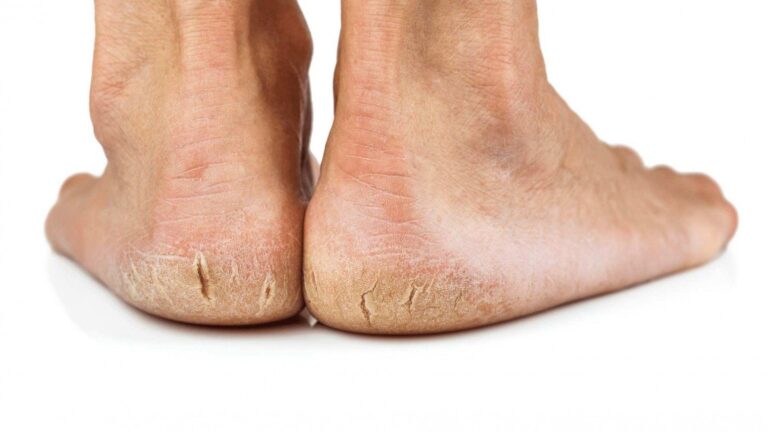
At ModPod Podiatry, we understand that cracked heels aren’t just a cosmetic issue – they can be uncomfortable, painful, and even lead to serious foot health problems if left untreated. Whether you’re dealing with mild dryness or deep fissures, knowing how to heal a cracked heel properly can make all the difference. Our Sydney podiatrists see patients with cracked heels year-round, especially during the warmer months when thongs and sandals are popular.
In this post, our podiatrists break down what causes cracked heels, the best cracked heel treatment, and how to fix cracked heels permanently – so you can get back to living comfortably and confidently.
What Causes Cracked Heels?
Before we discuss treatment, let’s explore the cracked heels causes. Understanding the root of the problem is key to finding a lasting solution.
Here are some common reasons for cracked heels:
- Dry skin: Particularly common during Australia’s dry summer months.
- Prolonged standing: Jobs or activities that require standing on hard surfaces increase heel pressure.
- Open-back shoes or thongs: While popular in Australia, they expose your heels to drying air and friction.
- Medical conditions: Diabetes, eczema, thyroid issues, and psoriasis can contribute.
- Obesity: Excess weight can cause the heel pad to expand, leading to cracks.
- Ageing: Skin naturally loses elasticity and moisture over time.
- Poor foot care: Neglecting regular exfoliation and moisturising.
How Do You Treat Cracked Heels?
If you’re wondering how do you treat cracked heels, the good news is there are effective ways to restore soft, healthy skin. Here’s what we recommend at ModPod Podiatry:
1. Soak & Exfoliate
A warm foot soak softens hardened skin:
- Soak feet for 10-15 minutes in warm water (add Epsom salts for extra relief).
- Gently exfoliate using a pumice stone or foot file to remove dead skin layers.
2. Moisturise Consistently
Regular hydration is essential:
- Use a high-quality heel balm or moisturiser containing urea, shea butter, or lanolin.
- Apply twice daily, particularly after bathing.
3. Lock in Moisture Overnight
For more severe cracks:
- Apply a thick layer of moisturiser and wear cotton socks overnight.
- Gel heel socks are also effective in helping deeply hydrate.
4. Supportive Footwear
Avoid thongs or open-back shoes. Choose closed, cushioned shoes that reduce friction and pressure.
When to Seek Professional Cracked Heel Treatment in Sydney
Sometimes, despite your best efforts, cracked heels may persist or worsen. If you notice:
- Deep fissures that bleed
- Signs of infection
- Pain or discomfort
- You suspect a more serious condition, such as a cracked bone in heel
It’s important to consult a podiatrist. At ModPod Podiatry, we offer tailored solutions including:
- Professional removal of thickened, dead skin
- Prescription-strength heel balms
- Orthotic devices to redistribute pressure
- Identifying and managing underlying conditions contributing to your cracked heels
Our cracked heel treatment is available at all Sydney locations including Dee Why, Mosman, Rose Bay, North Ryde, and our CBD clinic on Hunter Street.
How to Fix Cracked Heels Permanently
Many patients ask us, how do you fix cracked heels permanently?
The answer lies in prevention and consistency. Follow these steps:
- Daily moisturising: Make it part of your routine, even when your heels look fine.
- Weekly exfoliation: Keep dead skin at bay.
- Hydrate your body: Drink plenty of water.
- Wear appropriate footwear: Always opt for supportive shoes.
- Monitor medical conditions: Managing diabetes, eczema, and other health issues plays a huge role.
Natural Remedies to Heal Cracked Heels
Prefer a natural approach? Here’s how to heal cracked heels with home remedies:
- Coconut oil: Deeply moisturising and antibacterial.
- Honey: Natural humectant that draws moisture into the skin.
- Aloe vera: Calms irritation and encourages healing.
However, if natural remedies don’t resolve the issue, it’s best to consult a professional for personalised care.
How Do I Treat Cracked Heels at Home?
Here’s a simple at-home routine to help you get started:
- Soak feet in warm water.
- Gently exfoliate.
- Apply a thick moisturiser.
- Pop on socks to lock in hydration.
- Repeat daily.
Frequently Asked Questions About Cracked Heels
Why do I keep getting cracked heels even after moisturising?
If cracked heels persist despite regular moisturising, there may be an underlying cause such as a thyroid condition, diabetes, eczema, or psoriasis. Additionally, you may not be using a product with the right active ingredients — look for urea-based creams (10–25% urea) rather than basic body lotion. A podiatrist can assess your skin and recommend prescription-strength treatments.
What is the best product for cracked heels in Australia?
Podiatrist-recommended heel balms in Australia typically contain urea (10–25%), lactic acid, or salicylic acid. Brands such as Gehwol, Eulactol Heel Balm Gold, and Flexitol are widely used and available at pharmacies. Your ModPod podiatrist can recommend the most suitable product for your skin type.
Are cracked heels a sign of diabetes?
Cracked heels can be associated with diabetes due to reduced circulation and nerve damage (peripheral neuropathy), which affects skin hydration and healing. If you have diabetes and are experiencing cracked heels, it’s especially important to see a podiatrist, as even small cracks can develop into serious ulcers. ModPod Podiatry offers dedicated diabetic foot care across all Sydney clinics.
How long does it take to heal cracked heels?
Mild cracked heels can improve significantly within 1–2 weeks with consistent home care. Deep fissures may take several weeks of treatment. Professional podiatry treatment, including debridement (removal of dead skin), can dramatically speed up the process. Most ModPod patients see noticeable improvement after a single appointment.
Should I see a podiatrist or dermatologist for cracked heels?
For cracked heels specifically, a podiatrist is typically the most appropriate specialist. Podiatrists specialise in foot skin conditions and can safely remove thick, hardened skin, prescribe topical treatments, and identify any biomechanical factors contributing to the problem. If a skin condition such as psoriasis or eczema is suspected, your podiatrist may refer you to a dermatologist.
Can cracked heels get infected?
Yes. Deep heel fissures can allow bacteria to enter the skin, potentially causing cellulitis or other infections. Warning signs include redness, warmth, swelling, pain, or discharge from the crack. If you notice any of these symptoms, seek professional treatment promptly. Don’t attempt to treat a suspected infection at home.
Is it safe to use a pumice stone every day?
Daily use of a pumice stone can be too abrasive and may irritate the skin. Gentle exfoliation 2–3 times per week is generally sufficient. Always use a pumice stone on wet, softened skin and follow up immediately with a quality moisturiser to lock in hydration.
Final Thoughts
At ModPod Podiatry, our goal is to not only treat but prevent foot issues like cracked heels. Knowing the reason for cracked heels and taking proactive steps will keep your feet looking and feeling great all year round.
If you’re struggling with persistent cracked heels or want tailored advice on how to repair cracked heels effectively, book an appointment online with one of our expert Sydney podiatrists today. We’ll assess your foot health and create a treatment plan designed specifically for you. Convenient appointments available at Dee Why, Mosman, Rose Bay, North Ryde, and CBD.