

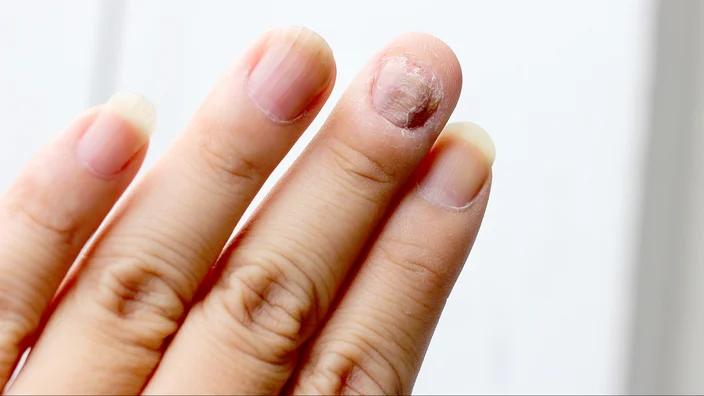
Toenail fungus, medically known as onychomycosis, is a common condition affecting millions of Australians. But one question that often arises is whether toenail fungus can spread to fingernails. The short answer is yes, but the likelihood and rate of transmission depend on several factors. At ModPod Podiatry, our Sydney podiatrists specialise in diagnosing and treating fungal nail infections across our clinics in Dee Why, Mosman, Rose Bay, North Ryde, and CBD. Understanding how fungal infections spread, their risk factors, and ways to prevent them is essential for maintaining healthy nails.
Is Toenail Fungus Contagious?
Toenail fungus is highly contagious. The fungi responsible for nail infections thrive in warm, moist environments, making communal areas like public showers, swimming pools, and gyms prime locations for transmission. If left untreated, toenail fungus can spread not only to other toenails but also to fingernails and even other parts of the body.
How Does Toenail Fungus Spread to Fingernails?
Toenail fungus spreads through direct and indirect contact. Some of the common ways it can transfer to fingernails include:
- Touching Infected Nails: If you frequently touch or pick at an infected toenail, the fungal spores can transfer to your fingernails.
- Using Contaminated Nail Tools: Clippers, nail files, and other grooming tools that have been used on an infected toenail can spread the fungus if not sanitised properly.
- Cross-Contamination Through Clothing and Bedding: Socks, shoes, towels, and bed sheets that come into contact with infected toenails can harbour fungal spores and contribute to the spread.
- Weakened Immune System: If your immune system is compromised, your body may struggle to fight off fungal infections, increasing the risk of cross-contamination.
Who Is at Risk?
Certain individuals are more susceptible to developing fungal infections, including:
- People with diabetes or circulatory issues
- Those with weakened immune systems
- Individuals who frequently wear closed-toe shoes
- People who sweat excessively
- Those who use public showers and swimming pools regularly
Symptoms of Toenail and Fingernail Fungus
Recognising the early signs of fungal infections can help prevent their spread. Symptoms include:
- Discolouration – Nails may turn yellow, brown, or white
- Thickening – Infected nails often become thick and brittle
- Brittle or Crumbling Texture – The nail may break easily or develop rough edges
- Separation from the Nail Bed – In severe cases, the nail may lift from the skin
- Foul Odour – A persistent smell can indicate a fungal infection
Can You Prevent the Spread of Toenail Fungus to Fingernails?
Preventing fungal infections requires a proactive approach to hygiene and nail care. Here are some effective ways to stop toenail fungus from spreading:
1. Maintain Good Foot and Hand Hygiene
- Wash your feet and hands regularly with antibacterial soap and dry them thoroughly.
- Keep nails trimmed and clean to minimise fungal growth.
2. Avoid Sharing Personal Items
- Do not share nail clippers, files, or footwear with others.
- Always use clean towels and change socks daily.
3. Choose Breathable Footwear
- Wear shoes made of breathable materials like leather or mesh.
- Avoid wearing tight, closed-toe shoes for extended periods.
4. Disinfect Nail Tools and Footwear
- Sterilise nail clippers and files with alcohol after each use.
- Use antifungal sprays or powders in shoes to kill spores.
5. Wear Protective Footwear in Public Areas
- Always wear thongs or waterproof sandals in communal showers, locker rooms, and pool areas.
6. Use Antifungal Treatments
- If you suspect a fungal infection, start treatment early with over-the-counter antifungal creams, sprays, or medicated nail lacquers.
- In severe cases, prescription oral antifungal medications may be necessary.
What Are the Best Treatment Options for Toenail and Fingernail Fungus?
If toenail fungus has spread to your fingernails, seeking prompt treatment is essential. Common treatment options include:
- Topical Antifungal Treatments: These include creams, nail lacquers, and medicated nail polishes.
- Oral Antifungal Medications: Prescription medications like terbinafine and itraconazole can effectively clear fungal infections.
- Laser Therapy: A non-invasive treatment that targets and destroys fungal spores without damaging the nail. Available at ModPod Podiatry’s Sydney clinics.
- Surgical Nail Removal: In extreme cases, a podiatrist may recommend removing the infected nail to allow for healthy regrowth.
When to See a Sydney Podiatrist for Fungal Nail Treatment
If you have persistent toenail fungus that is spreading to your fingernails or causing pain and discomfort, it is best to seek professional treatment. At ModPod Podiatry, we offer comprehensive solutions tailored to your needs, ensuring optimal foot and nail health. Our Sydney clinics at Dee Why, Mosman, and Rose Bay are easily accessible for expert fungal nail assessments.
Frequently Asked Questions
Can toenail fungus really spread to fingernails?
Yes. While toenail fungus spreading to fingernails is less common than it spreading to other toenails, it can happen through direct contact — touching infected toenails with your fingers, using shared nail tools, or handling contaminated towels or bedding. Maintaining good hygiene and treating fungal nail infections promptly is the best way to prevent spread.
How long does toenail fungus treatment take in Sydney?
Treatment duration varies depending on the method and severity. Topical antifungal treatments typically take 6–12 months, as nails grow slowly. Oral antifungal tablets generally take 3–6 months. Laser therapy (offered at ModPod Podiatry’s Sydney clinics) can produce results more quickly and is often used in combination with topical treatments for the best outcome.
Is laser treatment for fungal nails effective?
Laser therapy for onychomycosis (fungal nails) has shown good clinical results, particularly the Lunula Cold Laser used at ModPod Podiatry. It targets fungal spores without pain or damage to the surrounding nail tissue. Multiple sessions are usually required. Your podiatrist will discuss whether laser therapy is the right option for your individual case.
Can I get fungal nail treatment covered by Medicare or private health insurance in Australia?
Podiatry consultations may be partially covered by Medicare if you hold a GP Management Plan (GPMP) for a chronic condition. Private health insurance extras cover often includes podiatry. Laser nail treatment is generally not covered by Medicare, but may be partially covered by some private health funds. Contact your insurer to check your level of cover.
Are over-the-counter antifungal nail treatments effective?
Over-the-counter treatments such as antifungal nail lacquers (e.g., Loceryl) can be effective for mild cases of nail fungus, particularly if started early. However, they require long-term, consistent application. For moderate to severe infections, or when nails are significantly thickened or discoloured, professional podiatry treatment delivers far better results.
What should I do if my nail fungus keeps coming back?
Recurrent nail fungus is common and often related to ongoing re-exposure — contaminated footwear, shared facilities, or an underlying condition affecting immune function. Your podiatrist can identify contributing factors and recommend a comprehensive management plan including treatment of footwear, antifungal preventive measures, and addressing any systemic health issues.
Can nail fungus be permanently cured?
Nail fungus can be effectively cleared, but there is always a risk of re-infection if preventive measures are not maintained. With appropriate treatment and good foot hygiene practices, many patients achieve long-term clear nails. Regular podiatry check-ups — available at all ModPod Podiatry Sydney locations — can help monitor nail health and catch any recurrence early.
Book Your Fungal Nail Assessment at ModPod Podiatry Sydney
Toenail fungus is not just a cosmetic issue — it is a contagious infection that can spread to your fingernails if not managed properly. By following good hygiene practices, taking preventive measures, and seeking timely treatment, you can protect both your toenails and fingernails from fungal infections.
Don’t wait for the problem to worsen. Book your appointment online today at ModPod Podiatry — with clinics in Dee Why, Mosman, Rose Bay, North Ryde, and CBD (Hunter Street), Sydney’s leading podiatry team is ready to help.