

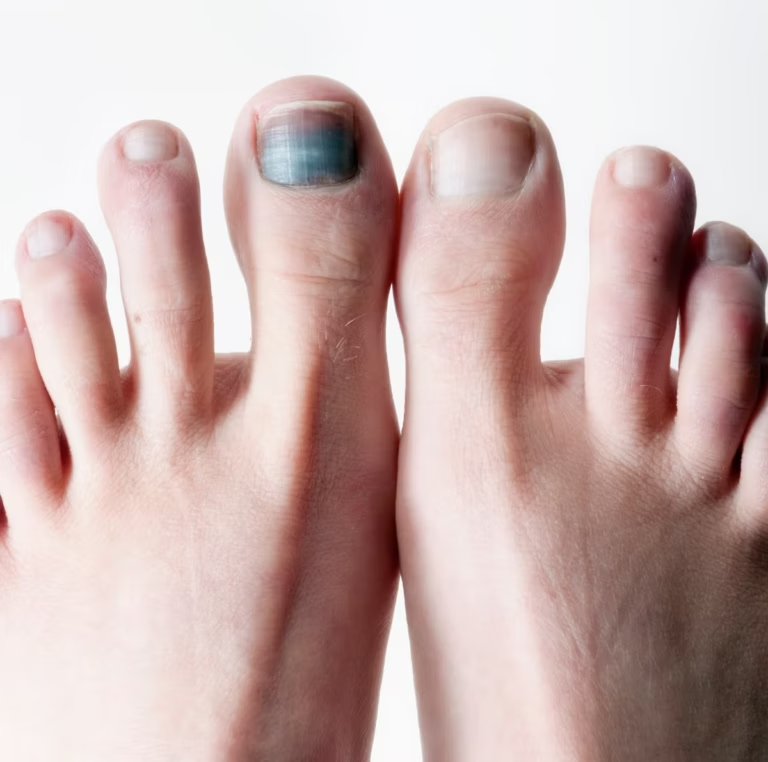
There are several reasons your toe nails may appear black or darkened. Some are harmless and temporary, while others need professional attention. If you’ve noticed a black toenail, it’s important to understand what’s causing it – particularly because some causes, such as fungal infections or underlying health conditions, require specific treatment. At ModPod Podiatry, our Sydney podiatrists regularly assess and treat patients with toenail discolouration across our clinics in Dee Why, Mosman, Rose Bay, North Ryde, and the CBD.
What Causes Black Toenails?
1. Trauma or Injury
Repeated pressure from shoes, running, or sports can damage the nail bed, causing small blood vessels underneath to burst. The trapped blood (called a subungual haematoma) turns the nail black or purple.
If the blackened area covers more than half the nail or you experience pain or swelling, book an appointment with one of our sports podiatrists for assessment.
2. Fungal Nail Infection
A fungal infection can cause discolouration, thickening, and brittleness. Although it often begins yellow or white, in advanced stages it can darken the nail. Learn more about treatment options on our fungal nail therapy page.
3. Tight or Poorly Fitted Footwear
Shoes that are too small or narrow compress the toes and repeatedly hit the nail, leading to bruising and blackening over time. Our custom orthotics can help reduce pressure and improve foot alignment to prevent recurrence.
4. Underlying Health Conditions
Sometimes blackened toe nails are linked to conditions like diabetes, circulatory issues, or melanoma (a rare but serious cause). It’s essential to have any persistent nail discolouration checked by a podiatrist or GP.
Symptoms to Watch Out For
Blackened nails can vary in appearance depending on the cause. Common signs include:
- Dark brown, purple, or black patches under the nail
- Thickened or lifted nails
- Pain, pressure, or throbbing
- Foul odour or crumbly texture (in fungal cases)
- Changes that persist or spread to other nails
If the nail looks detached, oozes fluid, or becomes painful, see a podiatrist promptly. Leaving the issue untreated can lead to infection or permanent nail damage.
Treatment Options for Blackened Toe Nails
Treatment depends on the cause and severity.
Minor Trauma
If caused by mild trauma, the discolouration will usually grow out with the nail over several months. Keep the area clean and wear roomy footwear to prevent further irritation.
Severe Trauma or Blood Under the Nail
For large or painful bruises, your podiatrist may release trapped blood to relieve pressure and pain. Avoid trying to do this at home – it risks infection.
Fungal Infection Treatment
Depending on the type and severity, we may recommend:
- Topical antifungal treatments
- Laser therapy
- Oral medication (for persistent cases)
Nail Debridement or Removal
In some cases, the damaged nail may need partial or full removal. Our medical pedicure and podiatry nail care services ensure the procedure is safe, sterile, and pain-free.
How to Prevent Toe Nail Blackening
A few simple habits can go a long way toward keeping your nails healthy:
- Choose properly fitted shoes. Ensure there’s a thumb’s width of space between your longest toe and the shoe tip.
- Keep nails trimmed and clean. Cut straight across and file gently to prevent ingrown nails and pressure.
- Wear moisture-wicking socks. This helps reduce fungal growth, especially during sports.
- Rotate your footwear. Allow shoes to dry fully between wears.
- Check your feet regularly. Especially if you’re diabetic – early intervention is key to avoiding complications.
When to See a Podiatrist
Book a podiatry appointment if:
- The nail is painful, swollen, or oozing
- The black area doesn’t grow out after a few months
- Multiple nails are affected
- You have diabetes or poor circulation
- The nail shape or texture changes suddenly
Our team can diagnose the exact cause using clinical assessment and, if necessary, imaging or lab testing. Early treatment prevents chronic damage and keeps you active without discomfort.
Professional Nail Care at ModPod Podiatry Sydney
At ModPod, we combine advanced podiatric medicine with a holistic approach to foot health. Whether your blackened toe nail stems from running, infection, or an injury, we can identify the cause and develop a personalised treatment plan.
Our Sydney clinics – including Mosman, CBD (Hunter Street), Rose Bay, Dee Why, and North Ryde – provide expert care in:
Frequently Asked Questions
Why is my toenail turning black?
The most common causes of a black toenail are trauma (blood pooling under the nail from impact or repeated pressure), fungal nail infection, and tight footwear. Less commonly, dark nail discolouration can be associated with underlying health conditions. A podiatrist can determine the exact cause and recommend appropriate treatment.
Is a black toenail always serious?
Not always. In athletes and active people, black toenails from repeated micro-trauma are common and usually resolve on their own as the nail grows out. However, a black toenail that appears without injury, persists for months, or is accompanied by pain or changes in texture should be professionally assessed to rule out infection or more serious causes.
How long does a black toenail take to heal?
If caused by trauma, the discoloured area will slowly grow out with the nail over 6 to 12 months (depending on which toe). If caused by a fungal infection, treatment may take several months. Your podiatrist can give you a more specific timeline based on your individual case.
Can a black toenail be a sign of cancer?
Very rarely, a dark streak or discolouration under the nail can be a sign of subungual melanoma – a form of skin cancer. This is uncommon but should be ruled out if the discolouration has no clear traumatic cause, appears as a dark stripe running the length of the nail, or persists or spreads. Always get an unexplained black toenail professionally assessed.
Should I see a podiatrist for a black toenail?
Yes – especially if the blackening is painful, involves more than half the nail, shows no signs of growing out, or occurred without a clear injury. ModPod Podiatry’s Sydney clinics offer prompt assessments to determine the cause and recommend safe, effective treatment.
How can I prevent black toenails from running or sport?
Wear properly fitted running shoes with a thumb’s width of space at the toe, keep nails trimmed short and straight, wear moisture-wicking socks, and lace your shoes firmly to reduce forward toe movement. If you consistently experience black toenails while running, a biomechanical assessment at ModPod Podiatry Sydney may help identify gait or footwear issues.
What is the treatment for blood under a toenail?
Small subungual haematomas (blood pooling under the nail) often resolve on their own as the nail grows. For large, painful collections of blood, a podiatrist can perform a simple, sterile procedure to release the pressure and reduce pain. Do not attempt to drain the blood yourself at home.
Book an Appointment
If you’ve noticed toe nails blackening, don’t ignore it – the sooner you address the issue, the better your outcome. Book online or call your nearest ModPod Podiatry Sydney clinic on (02) 9960 3981 to schedule an assessment today.