
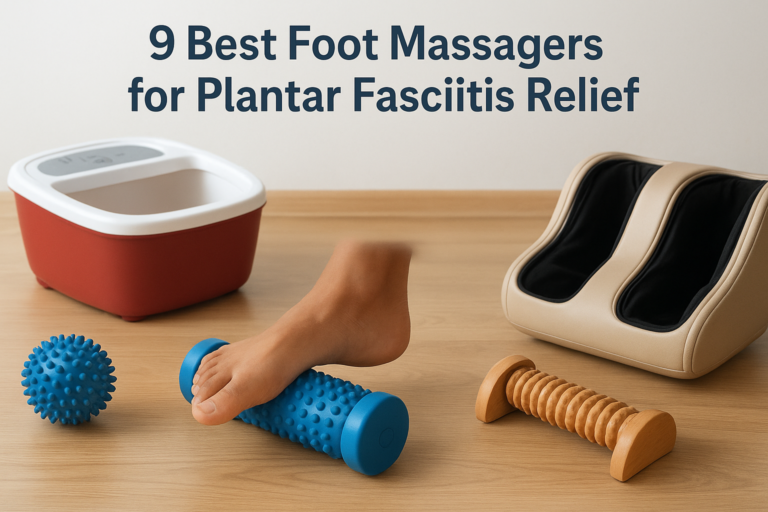
That deep ache under your heel first thing in the morning isn’t going away on its own, and you’re probably scrolling through options for the best foot massager for plantar fasciitis hoping to find something that actually helps between podiatry visits. Fair enough. A good massager won’t fix the underlying problem, but the right one can ease tension in the plantar fascia, improve blood flow, and take the edge off pain after a long day on your feet, which is part of why foot massage is good for you.
We’ve reviewed nine of the top foot massagers on the market right now, looking at heat and vibration settings, build quality, and how well each one targets the arch and heel where plantar fasciitis actually hurts. Every option here is chosen with real relief in mind, not just gimmicky features that look good in an ad.
As Sydney podiatrists who treat plantar fasciitis every week, we’ll also flag when a massager is genuinely useful and when the warning signs that you need to visit a podiatrist mean it’s time for a proper assessment and treatment plan, because some cases need more than a device at home.
1. Frozen foot roller for icing and stretching
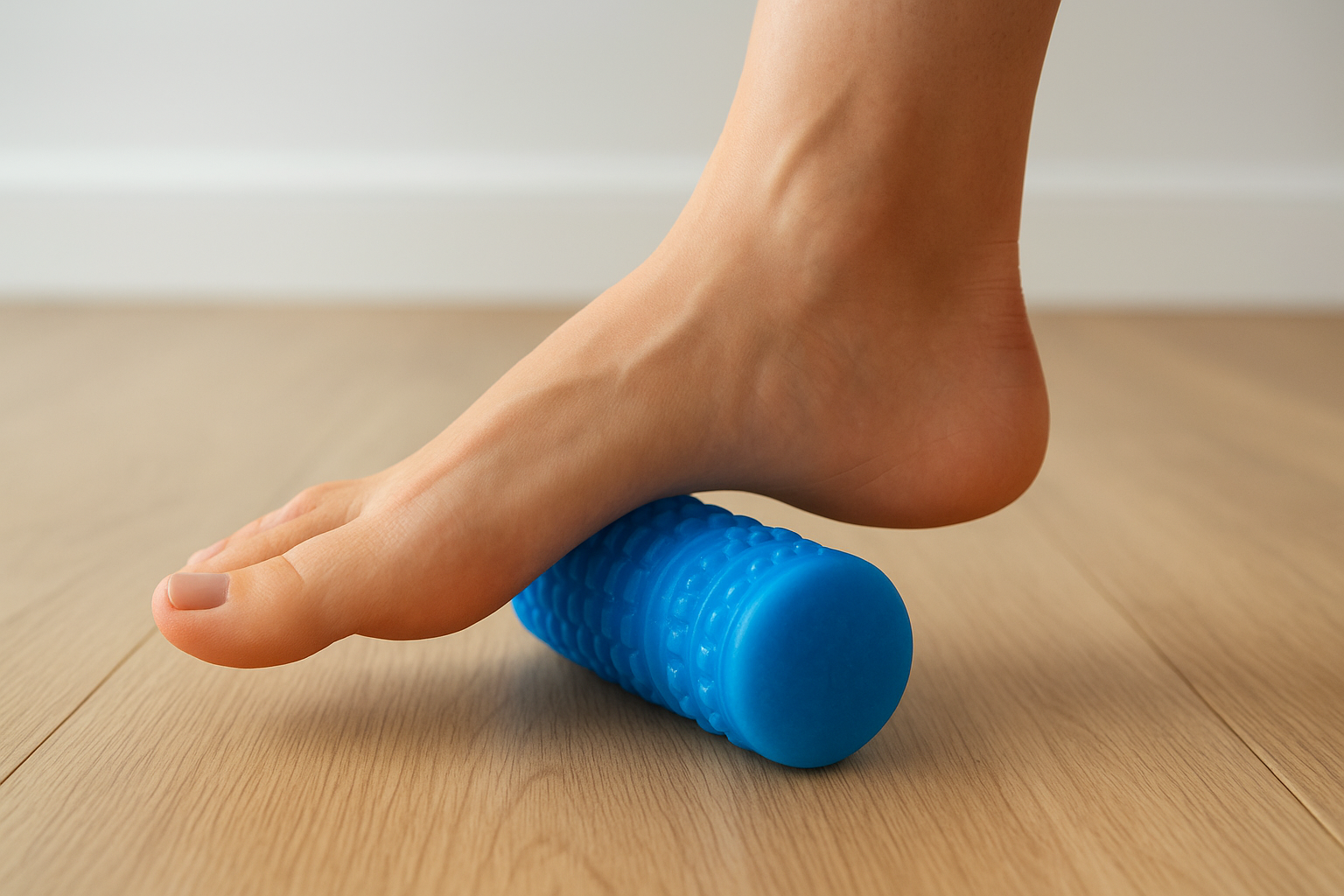
A frozen foot roller is exactly what it sounds like: a hard plastic or gel-filled roller you keep in the freezer and roll under your bare foot for ten to fifteen minutes at a time. It’s cheap, simple, and does two jobs that matter for plantar fasciitis relief: it stretches the tight plantar fascia while delivering cold therapy to calm inflammation around the heel. Podiatrists have recommended some version of this trick for decades, long before recovery gadgets became a marketing category.
How it helps with plantar fasciitis relief
Rolling a frozen bottle or a proper frozen foot roller under your arch does two things at once. First, the cold constricts blood vessels and reduces the inflammatory response that makes your heel throb after you’ve been on your feet all day. Second, the rolling motion gently stretches the plantar fascia along its length, loosening the tissue and easing that first-step pain when you get out of bed that’s the hallmark of plantar fasciitis. This combination of icing and stretching is one of the most evidence-backed home treatments going, and it costs next to nothing compared with most gadgets on this list.
A frozen foot roller pairs two proven treatments, cold therapy and stretching, into one five-minute routine you can do in front of the television.
Unlike heat-based massagers, cold therapy works best in the acute or flare-up stage, when the fascia is inflamed and swollen rather than just tight and stiff. Using a plantar fasciitis foot massager that combines ice with mechanical rolling gives you targeted relief exactly where the pain sits, rather than warming the whole foot the way a spa bath does.
Who it’s best suited to
This option suits people in the early or flare-up stages of plantar fasciitis, particularly runners and anyone who spends long shifts standing, such as retail workers, hospitality staff, or tradespeople. It’s also a smart pick for anyone managing symptoms on a tight budget, since a frozen roller costs a fraction of an electric massager. Parents dealing with an older child’s growing heel pain, often actually Sever’s disease rather than plantar fasciitis, also find the cold and gentle stretch soothing without needing anything battery-powered.
If your pain has settled into a dull, constant ache rather than a sharp flare, one of the heat-based options further down this list may suit you better. Persistent morning heel pain that doesn’t ease after a few weeks of home icing is a signal to book a proper assessment rather than keep self-treating, and our Sydney heel pain podiatrists can confirm whether it’s plantar fasciitis or something else entirely.
What to look for and price range
Look for a roller with textured ridges rather than a smooth surface, since the texture adds a trigger-point massage effect alongside the cold. Gel-filled rollers hold their cold temperature longer than solid plastic ones, often staying usable for a full session without needing to refreeze. A non-slip base matters too, especially if you’re rolling on timber or tiled floors.
| Feature | Budget option | Premium option |
|---|---|---|
| Material | Solid plastic | Gel-filled with ridges |
| Cold retention | 5 to 8 minutes | 15+ minutes |
| Price (AUD) | $10 to $20 | $25 to $45 |
Expect to pay somewhere between $10 and $45 depending on build quality and cold retention. It’s one of the cheapest tools on this list, and honestly one we recommend most often to patients as a first step before they invest in anything electronic.
2. Spiky massage ball for trigger points
A spiky massage ball is a small, hard rubber ball covered in firm nubs that you roll under your foot while seated or standing, applying your own body weight to dig into tight spots. It’s a step up in intensity from a smooth roller, designed to hunt out specific trigger points in the plantar fascia and surrounding muscles rather than just stretching the tissue in general. Physiotherapists and podiatrists have used these for years as a cheap, portable alternative to hands-on soft tissue work.
How it helps with plantar fasciitis relief
Pressing a spiky ball into a knot under the arch breaks up adhesions in the fascia and increases local blood flow, which helps loosen chronically tight tissue. Because the ball is small and firm, you can target the exact spot that hurts, usually just in front of the heel, with far more precision than a flat roller allows. This makes it one of the more effective trigger point release tools for people whose pain sits in one stubborn area rather than spread across the whole sole.
A spiky ball lets you apply precise pressure to the one spot that actually hurts, which a flat roller simply can’t do.
Unlike the frozen roller, this option works better once the acute inflammation has settled and you’re dealing with ongoing tightness rather than a fresh flare-up.
Who it’s best suited to
Office workers who sit most of the day and notice tightness building up, plus gym-goers who already use similar balls on their glutes or shoulders, tend to get the most out of this tool. It also suits anyone who’s tried a smooth roller and found it too gentle to make a real dent in their pain.
- Good for isolated, pinpoint heel or arch pain
- Portable enough for a desk drawer or gym bag
- Not ideal for very acute, swollen flare-ups
What to look for and price range
Choose a ball with firm but not rock-hard rubber, since anything too dense can bruise sensitive tissue rather than release it. Textured surfaces with rounded nubs work better than sharp spikes for foot use. Prices typically sit between $8 and $25, making it one of the cheapest additions to a home plantar fasciitis kit.
3. Shiatsu air-compression foot massager
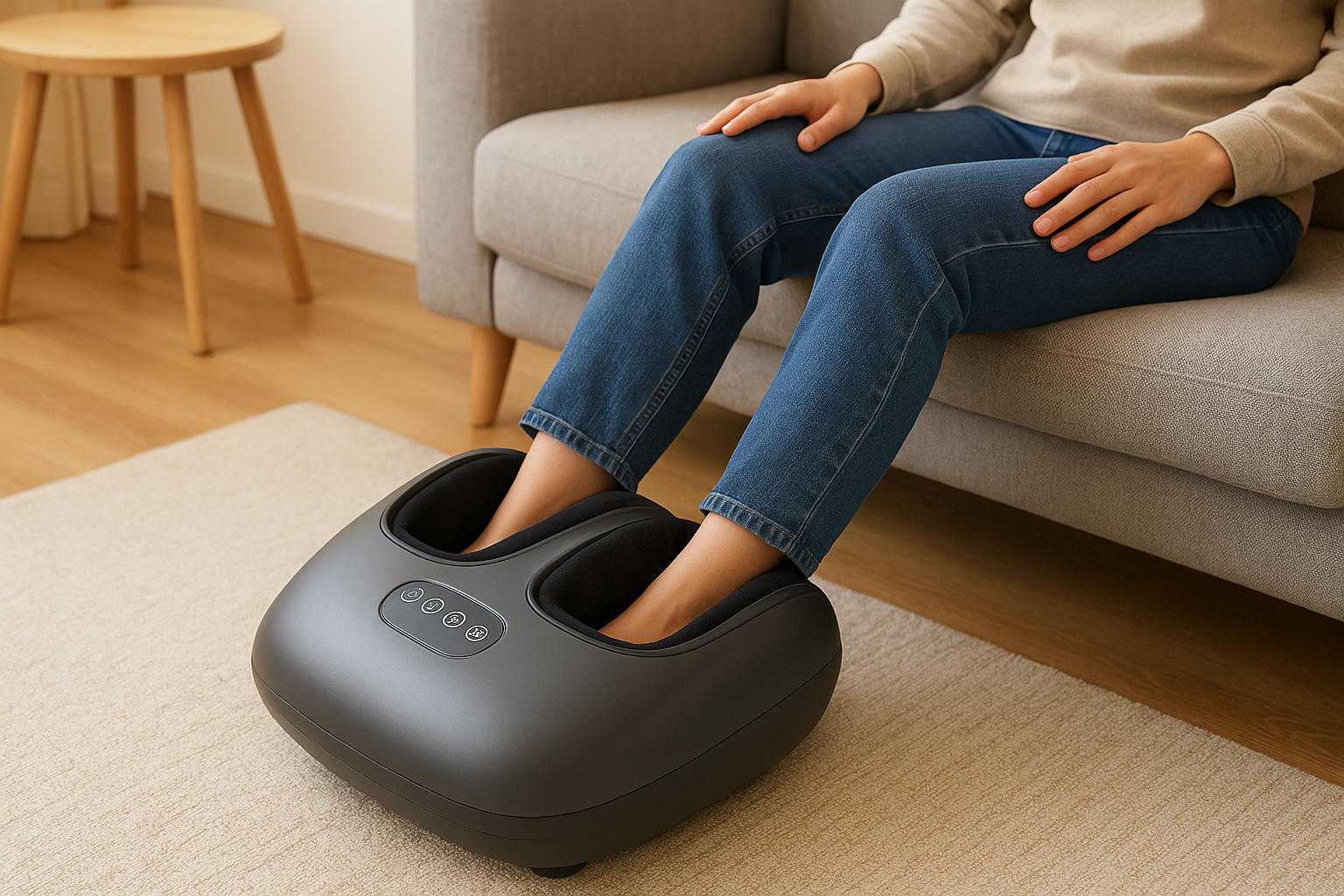
A shiatsu air-compression foot massager is an electric unit you sit down and slide your feet into, where inflatable air bags squeeze your foot in rhythmic waves while internal nodes knead the sole using a kneading or shiatsu-style motion. Some models add heat, and most let you adjust intensity across several levels. It’s the closest thing to a proper foot massage without booking a therapist, and it’s one of the more popular electric foot massagers bought specifically for tired, achy feet rather than acute injury.
How it helps with plantar fasciitis relief
Compression massagers work by improving circulation throughout the whole foot, which helps flush out the metabolic waste that builds up in overworked, inflamed tissue. The kneading nodes also apply broad pressure across the arch, easing general tightness even if they can’t pinpoint a single trigger point the way a spiky ball can. Adding heat on top of the compression relaxes the plantar fascia further, since warm tissue stretches more easily than cold, stiff tissue.
Air compression won’t replace targeted trigger point work, but it’s the most relaxing way to wind down a tight, tired foot at the end of the day.
For heel pain relief after long shifts on hard floors, this is often the tool people reach for over anything else on this list, simply because it requires no effort and feels genuinely good.
Who it’s best suited to
This suits people who want a passive, hands-off treatment they can use while watching television or scrolling on the couch, particularly those managing general foot fatigue alongside mild plantar fasciitis. Older adults who find bending down to use a roller uncomfortable also tend to prefer this option, since it requires no manual effort at all.
- Best for evening use after a long day standing or walking
- Suits those who dislike hands-on massage tools
- Less effective for pinpointing a specific trigger point
What to look for and price range
Look for adjustable intensity settings, a heat function, and enough room in the chamber to fit your foot comfortably without the compression feeling too tight around the ankle. Cheaper models sometimes run hot or lose air pressure quickly, so check reviews for durability before buying. Expect to pay between $60 for basic units and $180 for models with multiple heat and pressure combinations.
4. Percussion massage gun for deep tissue relief
A percussion massage gun is a handheld device with a motor that drives a small head rapidly into the tissue, delivering short, punchy pulses rather than the steady pressure you get from rolling or squeezing. Originally built for athletes working on tight calves and quads, it’s become one of the more popular deep tissue massage tools people now point at their arches and heels. It’s louder and more intense than anything else on this list, which is exactly why some patients love it and others find it too much.
How it helps with plantar fasciitis relief
Directed at the calf and the tissue just above the heel, percussion therapy can loosen the muscles that feed into the Achilles tendon and plantar fascia, indirectly easing tension through the whole chain. The rapid pulses increase blood flow to the area and can help break down tightness in the calf that contributes to a stiff, poorly stretched fascia. Used carefully with a soft attachment directly on the arch, it also works as a fast alternative to manual rolling for trigger point relief.
Point a massage gun at your calf, not straight onto an inflamed heel, and you’ll get the benefit without the risk of aggravating already irritated tissue.
Direct use on an acutely inflamed heel can make things worse, so this tool works best as a calf and lower-leg treatment that supports your plantar fasciitis recovery rather than a direct heel fix.
Who it’s best suited to
Active people already managing tight calves, runners rebuilding mileage, and anyone who finds manual rolling too slow or tiring tend to get the most from a massage gun. It’s less suited to anyone with acute, swollen heel pain, or to older adults with thin skin or circulation issues, where the intensity can do more harm than good.
- Runners and gym-goers with calf tightness feeding heel pain
- Anyone who wants a quick, targeted session under five minutes
- Not recommended for direct use on an inflamed, acute flare-up
What to look for and price range
Choose a model with adjustable speed settings and a soft, rounded attachment head rather than the pointed or forked ones meant for large muscle groups. Battery life and noise level vary hugely between brands, so check both before buying. Budget guns start around $60, while name-brand models with multiple heads and stronger motors run from $150 to over $400.
5. Compression recovery boots for serious athletes
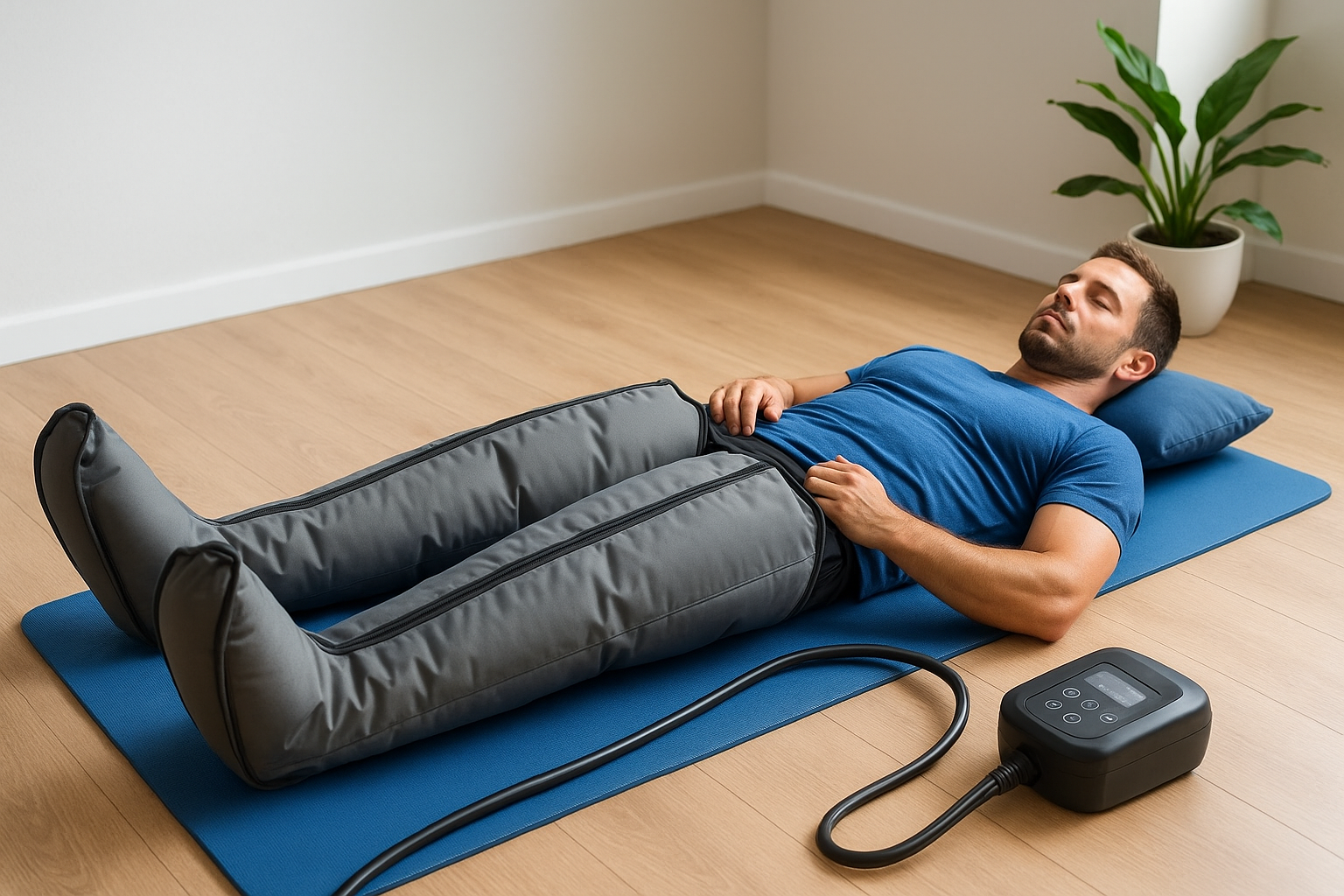
Compression recovery boots are inflatable sleeves that zip up over your entire leg and foot, then cycle through sequential pressure waves from toe to thigh. They’re the same technology professional sporting teams use in the changing rooms after matches, now available for home use at a fraction of the old commercial price. This isn’t a device you grab for quick spot relief, it’s a full recovery system built for people who train hard and need their whole lower limb, not just the heel, to bounce back fast.
How it helps with plantar fasciitis relief
Sequential compression pushes fluid and metabolic waste out of the foot and lower leg, which speeds up recovery from the inflammation that drives plantar fasciitis pain after heavy training loads. Because the boots work the calf and shin alongside the foot, they also ease the tightness further up the chain that pulls on the plantar fascia with every step. Most units let you set pressure intensity and session length, so you can dial in a gentler setting on days when the heel feels particularly reactive.
Recovery boots treat the whole leg as one connected system, which matters because a tight calf is often feeding the heel pain, not just the foot itself.
Used after a run or a heavy training session, this approach helps manage the cumulative strain that keeps plantar fasciitis flaring, though it works better as prevention and recovery than as a treatment for an active flare-up.
Who it’s best suited to
Serious runners, triathletes, and anyone training multiple times a week for an event get the most value here, since the cost only makes sense against a real training volume, and lighter alternatives like compression socks built for training and recovery cost far less. It also suits people juggling plantar fasciitis alongside calf or shin tightness, where treating the foot alone hasn’t been enough.
- Distance runners managing high weekly mileage
- Athletes returning from injury who need full-leg recovery, not just heel relief
- Not a practical first purchase for occasional or mild cases
What to look for and price range
Look for adjustable pressure zones, at least three intensity settings, and boots that fit snugly without gapping around the ankle, since a poor seal reduces the compression’s effectiveness. Battery-powered, cordless models cost more but suit anyone using them away from home or at the track. Expect to pay between $250 and $600 for a reliable set, making this the biggest investment on this list and one best reserved for genuinely high training loads.
6. Wooden or manual foot roller
A wooden or manual foot roller is about as low-tech as this list gets: a solid or ridged timber cylinder, sometimes with two connected rollers, that you work under your foot using your own body weight for pressure. There’s no battery, no plug, and nothing to charge, just a simple tool that’s been used in massage therapy for generations. It’s the sort of device you keep by the couch and use without thinking twice, which is exactly why so many patients still reach for one after trying flashier gadgets.
How it helps with plantar fasciitis relief
Rolling your foot back and forth over a firm wooden roller stretches the plantar fascia along its full length while applying steady, even pressure to tight or tender spots. Because you control the pressure with your own foot, you can ease off over a sore heel and lean in harder over a tight arch, something a fixed electric massager can’t adjust on the fly. Many podiatrists suggest this as a daily maintenance tool once the acute pain has settled, pairing it with calf stretches for a full lower-leg routine.
A manual roller gives you direct control over pressure and pace, which makes it one of the safest tools to use every single day without overdoing it.
Used morning and night, a wooden roller becomes part of a broader guide to treating plantar fasciitis at home rather than a one-off fix, and consistency here matters more than intensity.
Who it’s best suited to
This suits anyone who prefers a hands-on, low-cost approach and wants something they can use daily without worrying about batteries or settings. It works well for people managing mild to moderate symptoms long-term, which is worth knowing given how long plantar fasciitis usually takes to heal, and for those who travel often and want a lightweight tool that fits in a suitcase.
- People building a daily stretching and self-massage habit
- Budget-conscious buyers who want a durable, no-fuss tool
- Less suited to acute flare-ups where cold therapy works faster
What to look for and price range
Choose a roller with firm, untreated timber and enough ridges to create a gentle massage effect without digging in too sharply. Dual-roller designs, where two cylinders sit side by side, tend to stay more stable underfoot than a single roller. Prices sit between $10 and $30, making this one of the most affordable, longest-lasting tools on this list.
7. Heated foot spa and massage bath
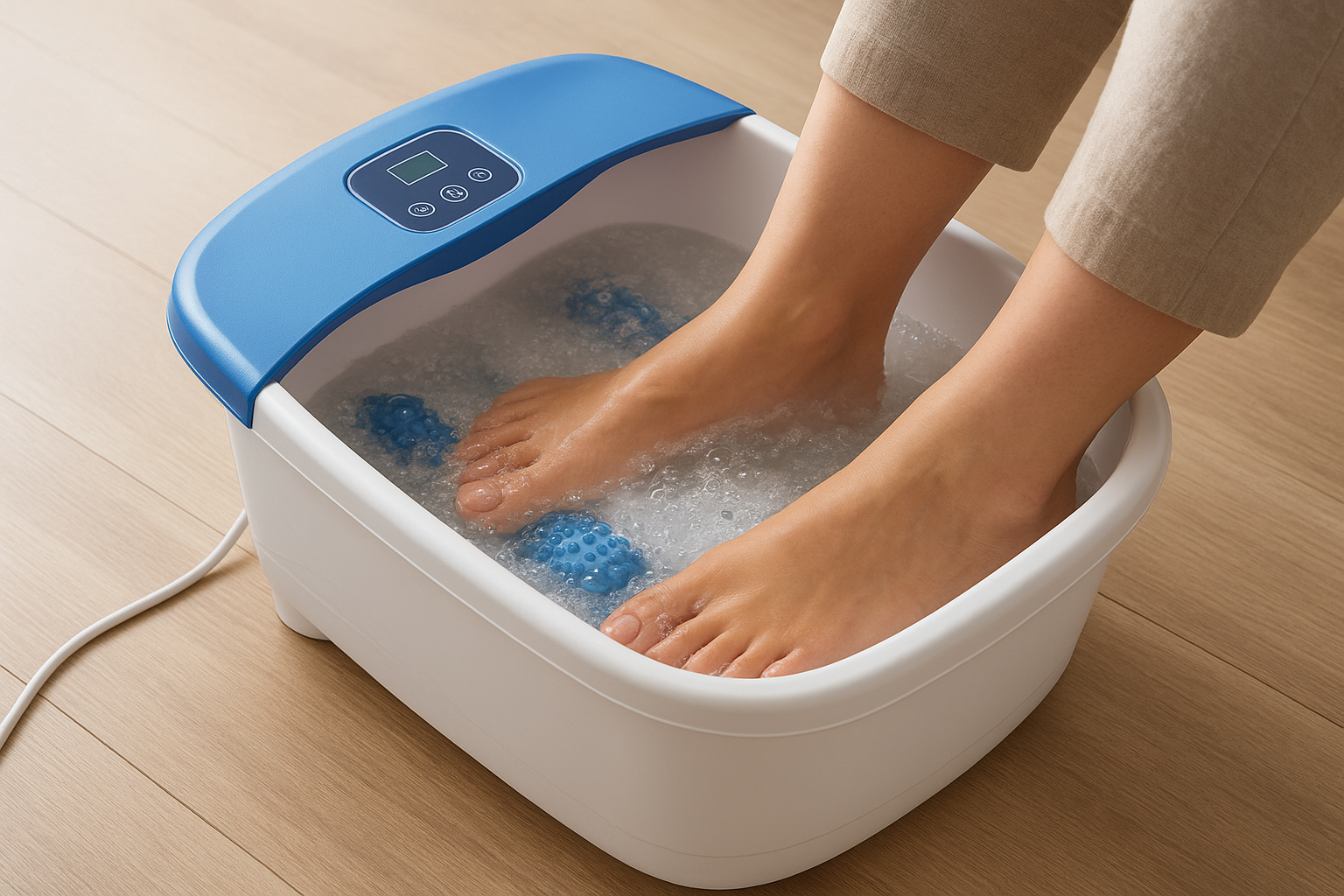
A heated foot spa is a basin you fill with warm water, then sit back while bubbles, vibration nodes, or rotating rollers work over your soles. Most units heat the water and hold it at a set temperature throughout the session, so you’re not topping up a bucket with a kettle every ten minutes. It’s less clinical than the other tools on this list and doubles as a genuine relaxation ritual, which counts for something when you’re managing a chronic, nagging condition like plantar fasciitis.
How it helps with plantar fasciitis relief
Warm water increases blood flow to the whole foot, softening the plantar fascia and surrounding tissue so it stretches more easily afterwards. Combine that with vibration or bubble massage and you get a mild, whole-foot treatment that eases general stiffness rather than targeting one trigger point the way a spiky ball does. Many people find a heated foot bath most useful in the evening, once any acute inflammation has settled and the goal shifts to loosening tight, tired tissue before bed.
Heat relaxes tissue, cold calms inflammation, so save the foot spa for evenings and reach for ice during an active flare-up.
Epsom salts added to the water don’t have strong evidence behind them for plantar fasciitis specifically, but the warmth and soak time still help with general foot comfort.
Who it’s best suited to
This suits people with chronic, low-grade heel pain who’ve moved past the acute stage, plus anyone managing plantar fasciitis alongside general foot fatigue from standing all day. Older adults often prefer this option too, since there’s no bending, kneeling, or awkward angles involved, just sitting with your feet submerged.
- Best for evening wind-down and chronic tightness
- Not suited to acute, swollen, or hot-to-touch flare-ups
- Good option for anyone who also has dry skin or circulation concerns
What to look for and price range
Look for adjustable heat control, at least two massage intensity settings, and a basin deep enough to cover your ankles comfortably. Removable rollers make cleaning easier and stop the unit smelling musty after repeated use. Budget models start around $40, while larger units with heat maintenance and pedicure attachments run up to $150.
8. Combination foot and calf massager
A combination foot and calf massager is a larger electric unit that wraps around both your foot and your lower leg, usually combining air compression with kneading nodes across both zones in one session. Instead of treating the foot in isolation, it works the whole chain from arch to calf muscle, which matters more than most people realise when it comes to plantar fasciitis. Brands market these as all-in-one recovery devices, and for anyone whose heel pain seems to be fed by a tight calf, that framing is fairly accurate.
How it helps with plantar fasciitis relief
Tight calf muscles pull on the Achilles tendon, which in turn increases tension through the plantar fascia every time you take a step. Treating the foot alone while ignoring a rock-hard calf is one of the more common reasons home treatment plateaus. A combination massager addresses both at once, using compression and kneading to loosen the calf while simultaneously easing the sole, so you’re not running two separate devices back to back.
Heel pain rarely starts and ends at the heel, so a massager that works the calf and foot together often gets further than one that only touches the sole.
Sessions typically run fifteen to twenty minutes and cover more surface area than a standalone foot massager, which suits anyone managing tightness across the whole lower leg rather than one specific trigger point.
Who it’s best suited to
This option suits people who’ve noticed their calves are just as tight as their arches, particularly those who stand or walk for long shifts or deal with tight calves after running, and anyone who’s found a foot-only massager doesn’t quite reach the source of the problem. It’s also a solid pick for households where more than one person wants to use it, since the coverage is broad enough for general leg fatigue as well as plantar fasciitis.
- Suits calf tightness feeding into heel pain
- Good value if multiple household members will use it
- Bulkier and pricier than a foot-only unit
What to look for and price range
Look for separate intensity controls for the foot and calf zones, since you’ll often want firmer pressure on the calf than the sole. Heat function and a decent-length power cord matter too, given the unit sits further from a power point once it’s wrapped around your leg. Expect to pay between $100 and $250 depending on how many zones and settings are included.
9. TENS or EMS electronic foot massager
A TENS (transcutaneous electrical nerve stimulation) or EMS (electronic muscle stimulation) device uses small adhesive pads placed on your foot or calf to send low-level electrical pulses through the skin. TENS units work by interrupting pain signals travelling to your brain, while EMS units cause the muscle to contract, which can help with circulation and stiffness. Some combination units switch between both modes, giving you a pain-relief setting and a muscle-stimulation setting in the one small controller. It’s the most clinical-feeling option on this list, closer to something you’d find in a physiotherapy clinic than a massage chair.
How it helps with plantar fasciitis relief
Because TENS interrupts the pain signalling rather than treating the tissue itself, it’s genuinely useful for people who need short-term relief to get through a work shift or a long day on their feet. EMS, on the other hand, encourages blood flow into the plantar fascia and surrounding muscles by triggering repeated contractions, which some patients find eases stiffness after prolonged sitting. Neither mode fixes the underlying mechanical problem driving your plantar fasciitis pain, so think of this as symptom management rather than one of the clinical treatment options for plantar heel pain.
A TENS unit dulls the pain signal for a few hours, but it doesn’t stretch, ice, or strengthen anything, so pair it with one of the tools higher up this list.
Many patients pair a TENS unit with a frozen roller or manual roller session, using the electrical pads during the day and the mechanical tools morning and night.
Who it’s best suited to
Office workers who need discreet relief they can wear under socks during the day, plus anyone with chronic, long-standing plantar fasciitis who’s already tried the more mechanical options, tend to get the most value here.
- Suits people needing pain relief during work hours
- Not a substitute for stretching, icing, or professional treatment
- Best used alongside, not instead of, other tools on this list
What to look for and price range
Check that any unit you buy has adjustable intensity levels and comes with enough spare pads, since these wear out and need replacing every few months. Look for a rechargeable unit over one that needs disposable batteries, since sessions add up quickly if you use it daily. Prices typically range from $30 for basic pad-and-controller sets up to $90 for units with multiple pre-set programs.
Getting the most out of your foot massager
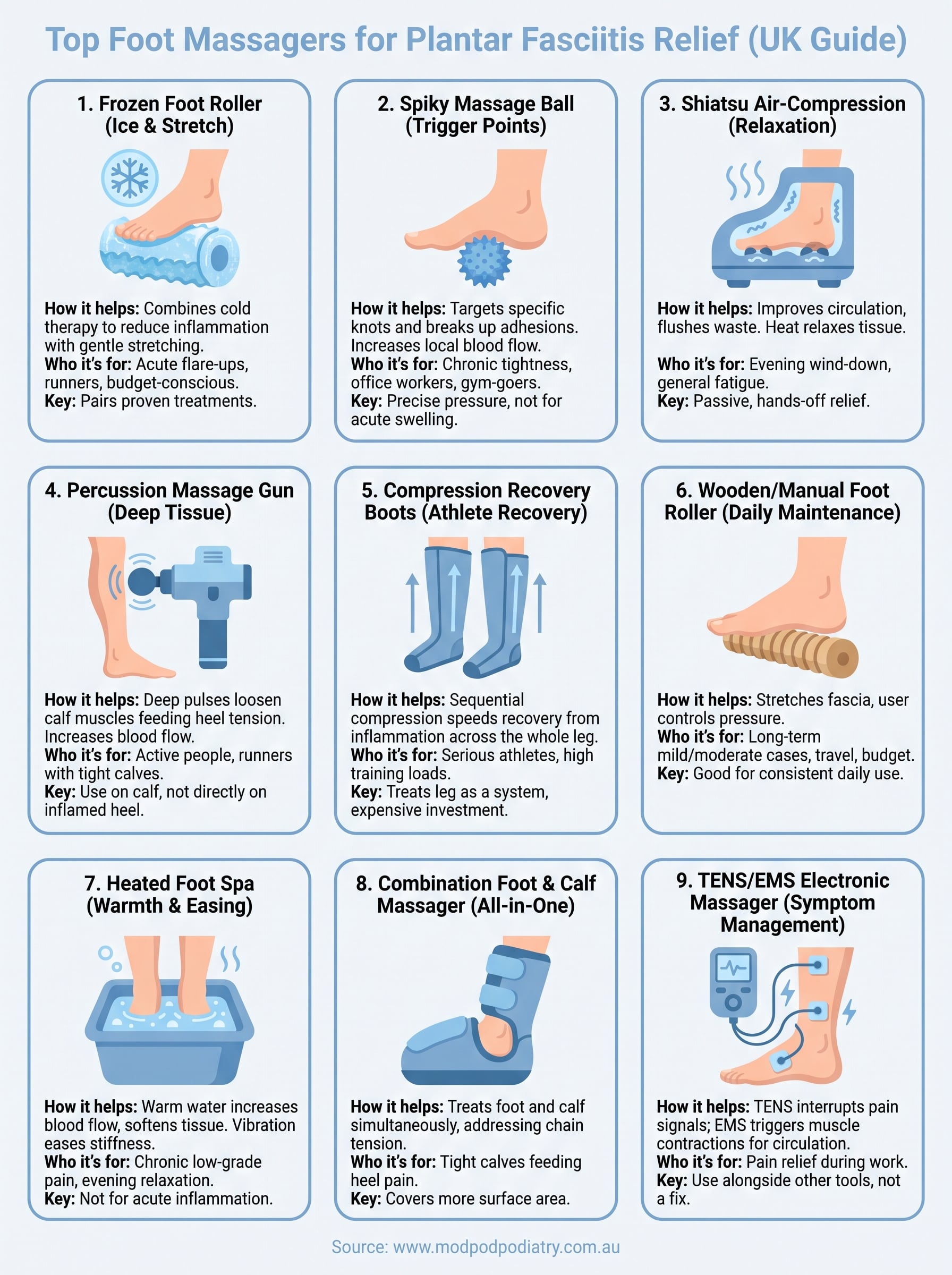
None of these nine tools replace a proper diagnosis, but the right one, used consistently, can genuinely take the edge off plantar fasciitis pain between appointments. Match the device to your stage: ice and gentle rolling for a fresh flare, heat and compression once things settle, and a TENS unit for getting through a long shift. The best foot massager for plantar fasciitis is whichever one you’ll actually use every day, not the most expensive gadget on the shelf.
If your heel pain has stuck around for more than a few weeks despite home treatment, that’s your cue to stop guessing. Our podiatrists across Sydney assess what’s actually driving your pain and build a treatment plan around it, whether that means orthotics, stretching, or something else entirely. Book a heel pain assessment with our Sydney podiatrists and get a proper answer instead of another gadget.