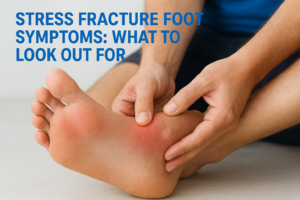

If your child has started limping after soccer training, or refuses to get out of bed on school mornings because their heels are sore, you’re not alone — and you don’t have to chalk it up to “just growing pains.” Heel pain in children is one of the most common conditions we see at ModPod Podiatry in Sydney, and the good news is it responds really well to the right treatment. Most kids are back on the field faster than you’d think.
In this guide, we’ll break down the most common cause of heel pain in active kids — Sever’s disease — explain how to tell it apart from normal growing pains, and walk you through what treatment looks like at our clinics. Whether your child plays soccer, AFL, netball or just loves running around at recess, this one’s for you.
What Is Sever’s Disease?
Despite the alarming name, Sever’s disease isn’t actually a disease at all — it’s an overuse injury affecting the growth plate at the back of the heel. The medical term is calcaneal apophysitis, and it’s the most common cause of heel pain in children aged 8 to 14.
Here’s what’s happening inside your child’s heel: during growth spurts, the heel bone (calcaneus) grows faster than the surrounding soft tissue. This creates tension on the Achilles tendon, which attaches directly to the growth plate. When kids are active — running, jumping, sprinting — that repeated pulling causes inflammation in the growth plate, resulting in pain.
At ModPod, we see a spike in Sever’s disease presentations every year during Term 1, when kids are thrown straight into school sports carnivals, soccer season and little athletics after the summer holidays. The combination of growth spurts, increased activity and hard school shoes is a recipe for sore heels.
Who Gets Sever’s Disease?
- Children aged 8–14 (most commonly 10–12 years old)
- Active kids who play running and jumping sports
- Boys slightly more than girls — though it’s very common in both
- Kids going through a growth spurt
- Children who recently increased their training load or changed sports
Growing Pains vs Sever’s Disease: How to Tell the Difference
We hear this question constantly: “It’s probably just growing pains, right?” It’s a fair thought — kids do experience genuine growing pains, usually described as a dull, general aching in the legs at night. But heel pain in children that’s worse after activity and localised to the back of the heel is a different matter entirely.
Here’s a simple comparison to help you figure out what you’re dealing with:
Normal Growing Pains
- Dull, general aching — usually in the thighs, calves or behind the knees
- Occurs at night, often waking kids from sleep
- Not linked to a specific activity or sport
- Usually settles with massage and pain relief
- Both legs tend to be affected equally
Sever’s Disease (Calcaneal Apophysitis)
- Sharp or aching pain at the back of the heel — one or both sides
- Pain is worse after activity and improves with rest
- Stiffness and heel pain first thing in the morning
- Limping at training or after sport
- Tenderness when you squeeze the sides of the heel (the “squeeze test”)
- Child pulling out of sport or avoiding running and jumping
If your child’s symptoms match the Sever’s disease list above — particularly if they’re limping or refusing sport — it’s time to get them properly assessed. Our team providing children’s podiatry at ModPod can diagnose the cause quickly and get a treatment plan in place.
When Should You See a Podiatrist?
Not all heel pain in kids needs an urgent trip to the clinic — but there are clear signs that it’s time to stop waiting. We recommend booking an appointment if your child experiences any of the following:
- Pain that doesn’t improve after 2–3 days of rest
- Limping during or after activity
- Waking at night due to heel pain
- Refusing to participate in sport or PE class
- Visible swelling or redness around the heel
- Pain that is significantly worse in one heel than the other
These are red flags that suggest the injury needs professional attention. Ignoring them can lead to longer recovery times and more sport missed. In rare cases, persistent undiagnosed heel pain can point to other conditions — including stress fractures or bone cysts — which is exactly why a proper assessment matters.
How ModPod Treats Heel Pain in Children
The great news about heel pain in children caused by Sever’s disease is that it’s very treatable. Our approach at ModPod Podiatry is to get kids comfortable quickly and back to sport as safely as possible — we don’t believe in telling kids they simply have to stop playing.
Our podiatrists will begin with a thorough assessment, which typically includes a gait scan to assess your child’s movement and identify any biomechanical factors contributing to heel stress. From there, we build a personalised treatment plan.
Stretching and Strengthening Programs
Targeted calf and Achilles stretching is the foundation of Sever’s disease treatment. We’ll show your child (and you) exactly which stretches to do, how often, and how to build them into a warm-up and cool-down routine. In many mild cases, a structured stretching program alone resolves symptoms within a few weeks.
Heel Raises
Simple silicone heel raises placed inside shoes can provide immediate relief by reducing tension on the Achilles tendon. They’re inexpensive, easy to use, and our podiatrists will check your child’s footwear and recommend the best option for their specific sport and school shoes.
Custom Orthotics for Kids
For children with underlying biomechanical issues — such as overpronation (flat feet) or high arches — custom orthotics for kids can be a game-changer. These are precision-made insoles designed from a 3D scan of your child’s foot, providing support exactly where they need it. ModPod kids’ orthotics are designed to fit in both school shoes and sports shoes.
Taping and Strapping
Sports taping techniques can offload the heel and allow kids to continue participating in modified activities while they recover. Our podiatrists are skilled at applying taping that actually holds up during training — we know your kids won’t sit still for long!
Activity Modification
In more severe cases, we may recommend a temporary reduction in training load. We’ll always work with your child’s school and sports coach to find a plan that keeps them involved — even if that means modified duties for a few weeks rather than complete rest. Our sports podiatry team understands how important staying active is for kids’ wellbeing, and we’ll always aim for the least disruptive approach possible.
Prevention: Getting Ready for the Term 1 Sports Season in Sydney
Sydney’s Term 1 is prime time for Sever’s disease. After six weeks of summer holidays with minimal structured activity, kids head straight back to school athletics, soccer, AFL and netball — often in shoes they’ve grown out of over the break. Our podiatrists see a significant jump in presentations every February and March for exactly this reason.
Here are some simple prevention strategies to protect your child’s heels this term:
- Check their shoes before term starts — make sure they fit properly. Kids’ feet grow fast, so shoes that fitted in November may already be too small in January.
- Ease back into training gradually — avoid jumping from zero to five training sessions a week after the holiday break.
- Introduce a warm-up routine — calf raises, heel drops and gentle stretching before sport make a real difference.
- Watch for early warning signs — heel soreness after sport that improves overnight is often the first sign. Don’t dismiss it.
- Choose supportive footwear — avoid flat, unsupportive shoes like thongs and canvas sneakers during high-activity periods. Check out our footwear advice page for guidance on what to look for.
If your child has had Sever’s disease before, they’re more likely to experience it again during their next growth spurt. A preventative check-up at the start of each sports season can make a significant difference.
Medicare and Health Fund Rebates for Kids’ Podiatry in Sydney
We know managing kids’ health costs can add up quickly — so here’s what you need to know about rebates for podiatry in Sydney.
Medicare Enhanced Primary Care (EPC) Plan: If your child has a chronic or complex condition, your GP may be able to refer them under a Team Care Arrangement (TCA). Under this Medicare scheme, eligible patients can receive up to 5 Medicare-rebated allied health visits per calendar year — including podiatry. Speak to your GP about whether your child qualifies. Item numbers 10960 and 10961 are commonly used for podiatry consultations under this plan.
Private Health Insurance: Most Extras policies include podiatry rebates. Common health funds like Medibank, BUPA, HCF and NIB all include podiatry in eligible Extras cover, with typical rebates ranging from $30–$55 per consultation depending on your level of cover. We recommend calling your fund to check your annual limits before your appointment. At ModPod Podiatry, we have HICAPS available at all our Sydney locations so you can claim on the spot.
Frequently Asked Questions
Q: How long does Sever’s disease take to heal?
A: Most kids see significant improvement within 4–8 weeks with the right treatment. Mild cases can resolve faster, while more severe presentations or kids mid-growth-spurt may take a little longer. The condition typically resolves completely once the growth plates fuse — usually by age 15–16.
Q: Should my child stop playing sport if they have Sever’s disease?
A: Not necessarily. In many cases, we can manage the pain and allow continued participation with modified training loads, taping and appropriate footwear. Complete rest is rarely needed. Our podiatrists will work with you to keep your child active safely.
Q: Can flat feet cause heel pain in children?
A: Yes — overpronation (rolling inward) increases tension on the Achilles and growth plate, making Sever’s disease more likely and more persistent. This is one reason a biomechanical assessment and custom orthotics for kids can be so effective for children with flat feet and heel pain in children.
Q: My child is only 6 and complaining of heel pain — could it still be Sever’s disease?
A: Sever’s disease typically affects children aged 8–14. If your child is younger and experiencing heel pain, it’s still worth getting assessed — there are other conditions that can cause heel pain in younger children, and our podiatrists can rule these out and identify the real cause.
Q: How is growing pains vs Sever’s disease different from plantar fasciitis?
A: Plantar fasciitis causes pain at the bottom of the heel, particularly with the first steps in the morning. Sever’s disease causes pain at the back of the heel, typically worsened by activity. Both can affect children, though plantar fasciitis is more common in adults. A podiatrist can easily tell the difference during an assessment.
Book a Kids’ Foot Assessment at ModPod Sydney
If your child is experiencing heel pain in children — whether it’s Sever’s disease, growing pains or something else entirely — the best thing you can do is get it properly assessed by an experienced podiatrist. Left untreated, heel pain can sideline kids for months and take the joy out of sport they love.
At ModPod Podiatry, we have six convenient Sydney locations and a team of podiatrists with over 20 years of combined experience working with kids and families. We’ll make the appointment as relaxed and comfortable as possible for your child — and focus on getting them back on their feet and doing what they love.
Ready to help your child get back to sport? Book online at your nearest ModPod clinic today — no referral needed.