

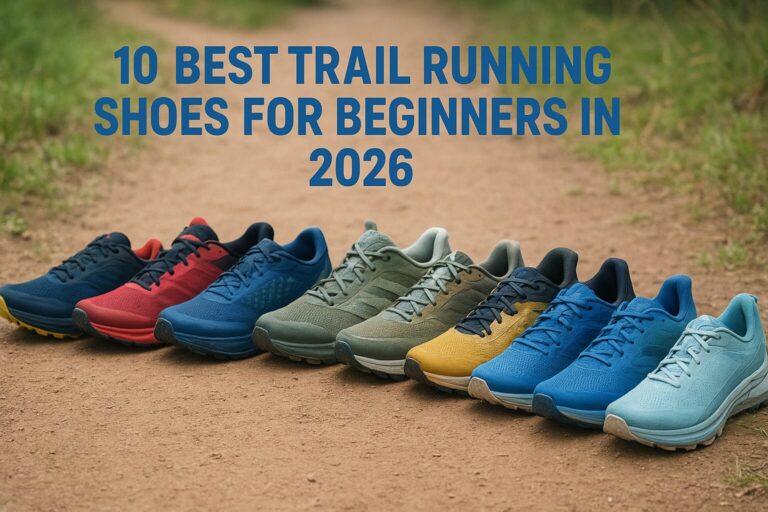
Standing in a running store staring at forty pairs of shoes is enough to put anyone off trail running before they’ve even started. If you’re searching for the best trail running shoes for beginners, you don’t need the most expensive pair or the one your ultramarathon-running mate swears by. You need a shoe that matches your foot type, the terrain around Sydney, and how your body actually moves.
That’s exactly what this guide sorts out. We’ve picked ten shoes that balance grip, cushioning and stability for newer runners, covering everything from firetrail loops in the Northern Beaches to rockier terrain out west. Each pick considers beginner-friendly features like a forgiving fit, durable outsoles, and a price point that won’t scare off someone still deciding if trail running is for them.
As podiatrists, we see plenty of injuries that trace straight back to the wrong footwear choice, so we’ve also flagged what to check for your foot shape and gait before you buy. If something still feels off once you’re on the trail, that’s where proper assessment and custom orthotics come in, but the right shoe is always step one.
1. How to choose the right trail running shoe as a beginner
Choosing your first pair of trail shoes isn’t about finding the flashiest colourway or the shoe with the biggest marketing budget. It comes down to matching the shoe to your terrain, your foot mechanics, and how many kilometres you’re realistically planning to run each week. A shoe built for rocky alpine scrambles will feel like overkill on the smooth firetrails around Manly Dam, and a minimalist road-to-trail hybrid won’t survive the roots and loose rock out near the Blue Mountains foothills.
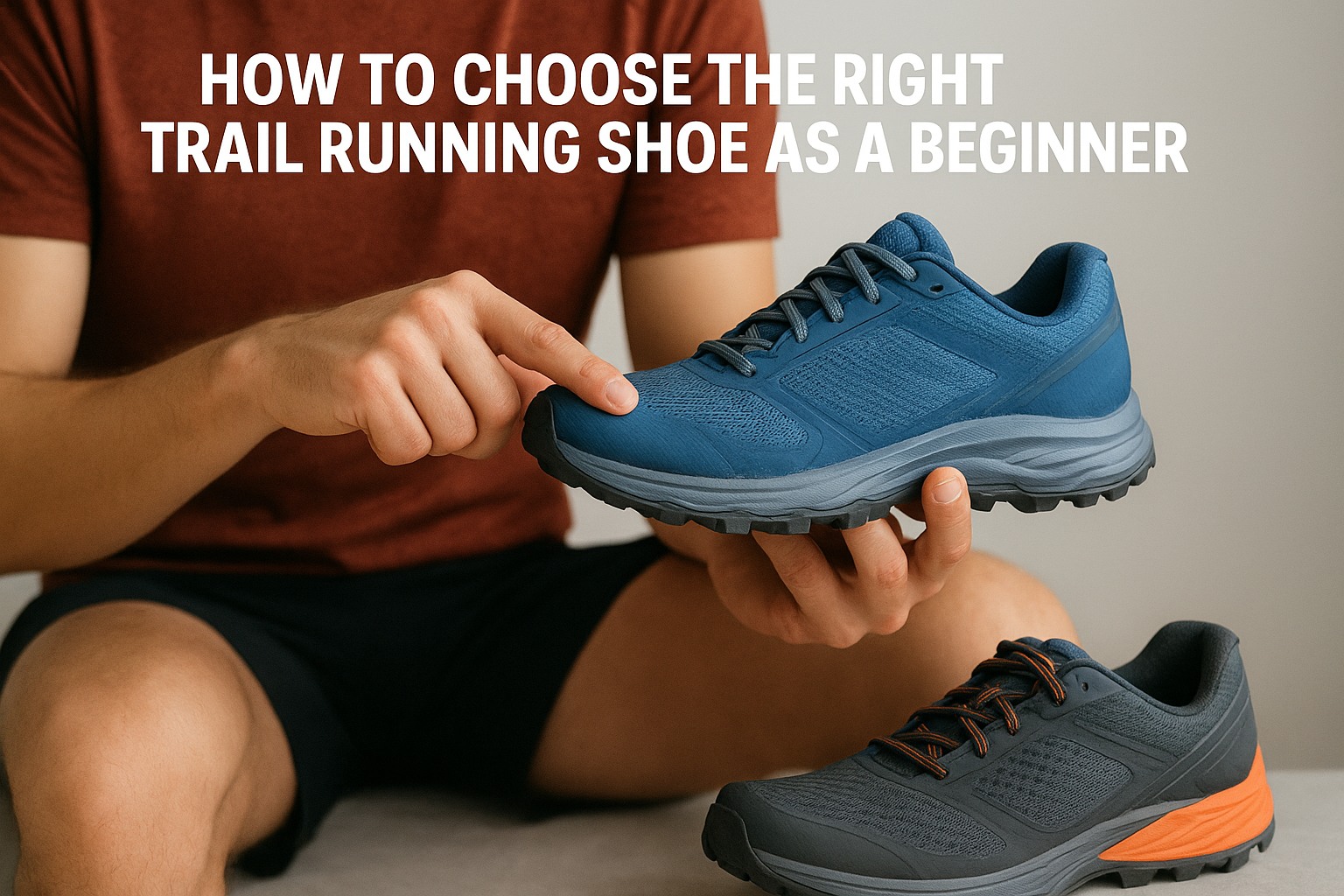
Start with your gait pattern and arch type, because these dictate whether you need a neutral shoe or one with added stability features. Overpronators (feet that roll inward excessively) often do better in shoes with a firmer medial post or a wider base, while neutral runners have more flexibility in what they choose. If you’ve never had this checked, a proper biomechanical assessment with a podiatrist takes the guesswork out of it before you spend $200 on the wrong pair.
The right shoe fits your foot and your terrain, not the trend of the season.
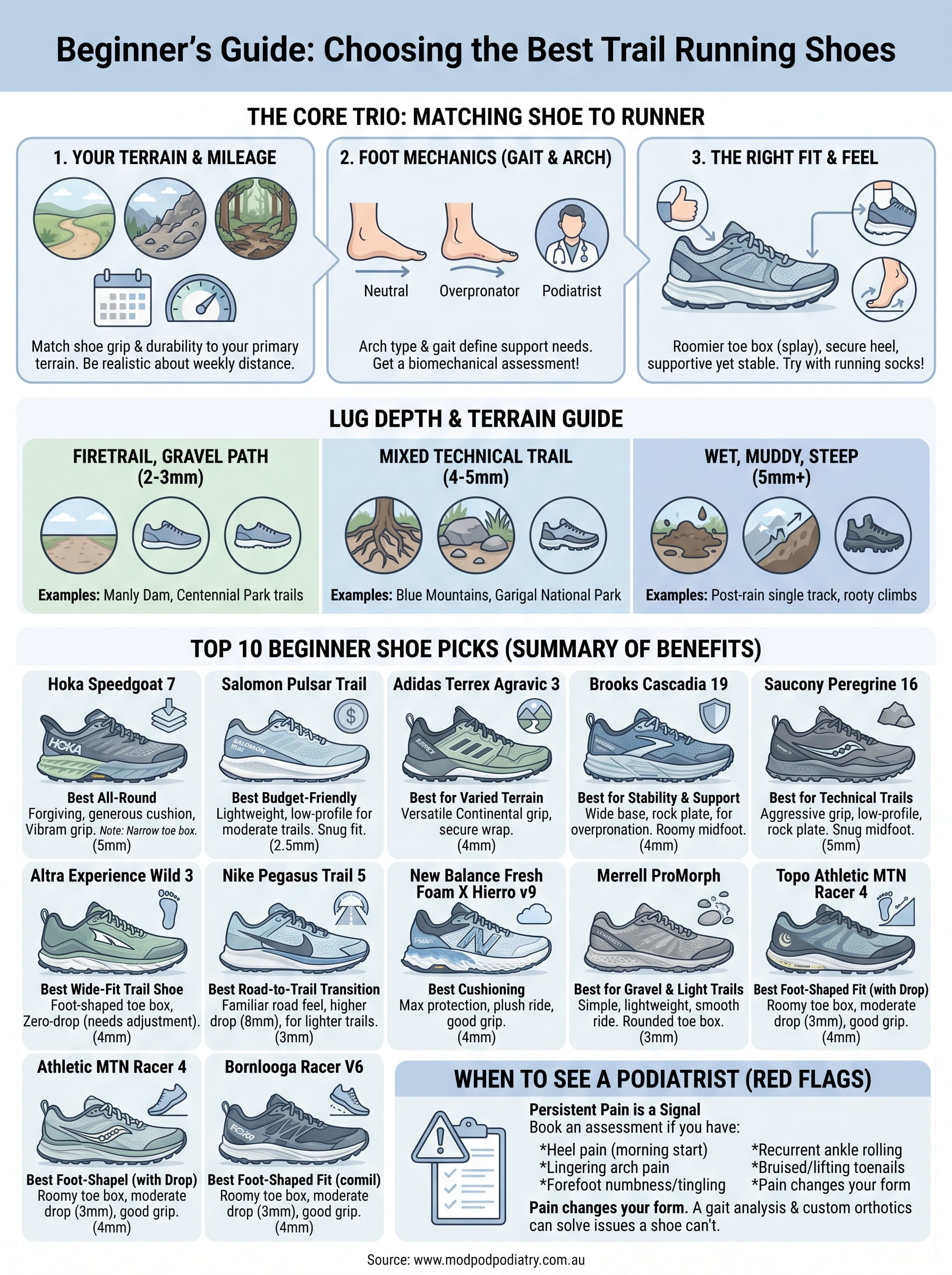
Grip matters more than most beginners expect. Outsole lug depth determines how well a shoe holds on loose dirt, wet rock or mud, and getting this wrong is one of the fastest ways to end up with a rolled ankle. Use this as a rough guide when comparing shoes on this list:
| Terrain type | Recommended lug depth | Example conditions |
|---|---|---|
| Firetrail, gravel path | 2-3mm | Manly Dam, Centennial Park trails |
| Mixed technical trail | 4-5mm | Blue Mountains, Garigal National Park |
| Wet, muddy or steep terrain | 5mm+ | Post-rain single track, root-heavy climbs |
Fit is the next thing to get right, and it trips up more beginners than any spec sheet ever will. Trail shoes should have a roomier toe box than your usual road runners, because your toes splay and shift more on uneven ground and repeated jamming against a tight toe box leads to black toenails and bruising. Sizing half a size up from your road shoe is common practice among experienced trail runners for exactly this reason.
Once you’ve narrowed down terrain and fit, run through this checklist before you commit to a pair:
- Does the heel counter hold your heel firmly without slipping?
- Is there at least a thumb’s width of space in the toe box?
- Does the midsole cushioning feel supportive without feeling unstable underfoot?
- Can you flex the shoe at the forefoot, not through the middle of the arch?
- Have you tried the shoe with the socks you’ll actually run in?
Get these fundamentals sorted first, and any of the ten shoes below will serve you well. Skip them, and even the most expensive shoe on this list will feel wrong within a few kilometres.
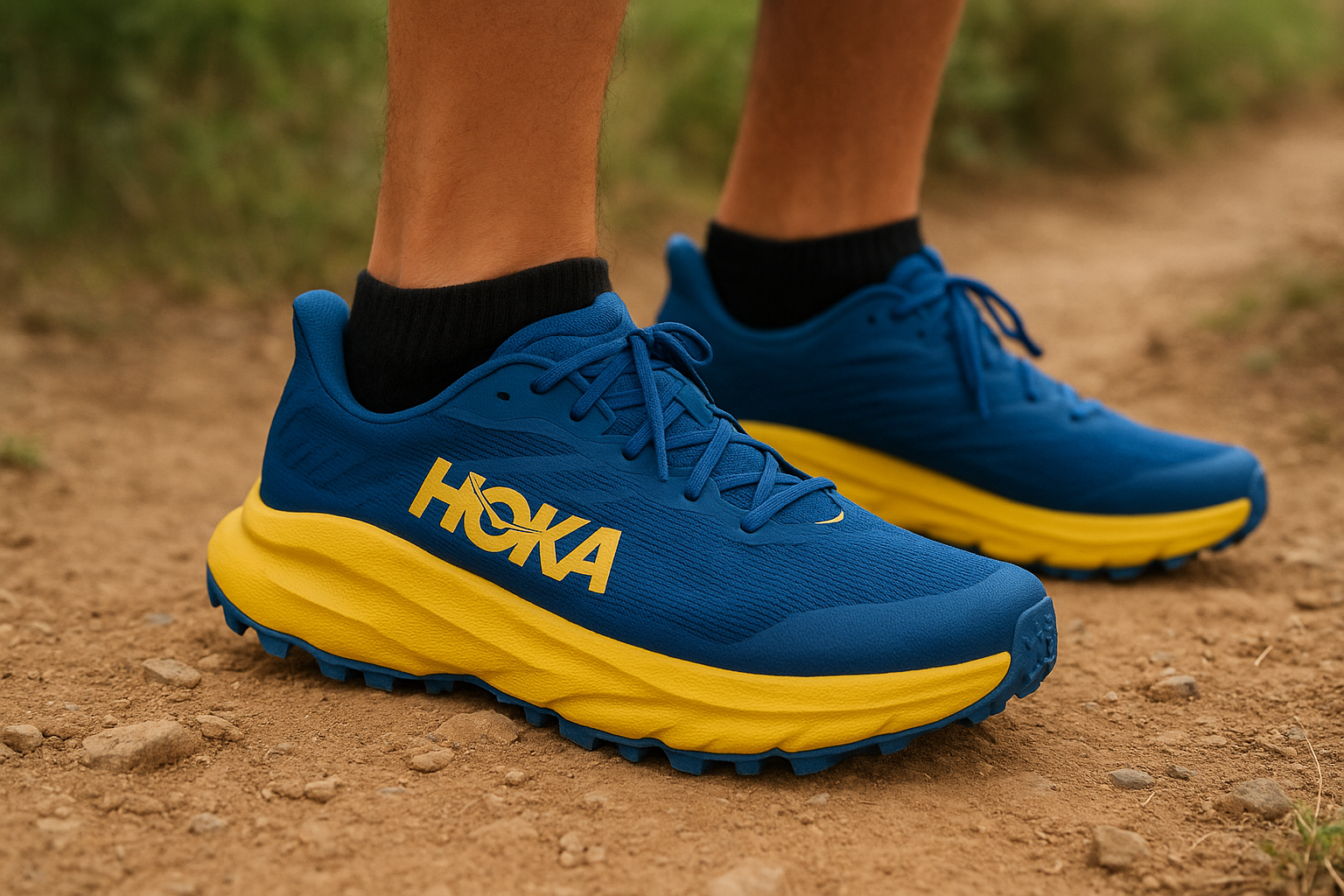
2. Hoka Speedgoat 7: best all-round beginner trail shoe
Hoka’s Speedgoat 7 has earned its reputation as one of the best trail running shoes for beginners because it forgives mistakes. New runners land heavily, misjudge terrain and fatigue quickly on unfamiliar ground, and this shoe’s thick, protective midsole absorbs a lot of that punishment before it reaches your joints.
Why it suits beginners
Beginners rarely have refined form yet, and the Speedgoat 7’s generous stack height and rockered sole shape smooth out heavy heel strikes and awkward foot placement. It’s also one of the more forgiving shoes when you’re still working out your ideal cadence and stride length on uneven ground.
A shoe that forgives your form while you’re still learning it is worth more than one built for perfect technique.
Key features
The Speedgoat 7 carries Vibram Megagrip outsoles with 5mm lugs, giving reliable traction across firetrail and technical single track alike. Key specs include:
- Stack height: 33mm heel, 29mm forefoot (4mm drop)
- Outsole: Vibram Megagrip, 5mm lugs
- Weight: approximately 272g (men’s), 231g (women’s)
- Upper: engineered mesh with reinforced toe bumper
Fit, support and comfort
Owners generally find the fit true to size, though the toe box runs slightly narrow compared to some competitors on this list, so half-sizing up is worth trying if you have wider feet. The padded heel collar and secure lacing system keep your foot locked in place on descents, which matters most when you’re still building confidence on downhill sections. Cushioning underfoot feels plush without becoming unstable, a balance many cheaper shoes struggle to strike.
Price and value
Expect to pay around AUD $270-$290 at Australian retailers, placing it mid-to-upper range for this list. Given the durability of the outsole and midsole foam, most beginners get well over 500km before replacement becomes necessary, which makes the upfront cost easier to justify if trail running sticks. If you’re unsure about arch support after a few runs, a podiatrist can check whether the stock insole suits your foot or whether a custom orthotic would improve the fit further.
3. Salomon Pulsar Trail: best budget-friendly option
Not everyone wants to spend $250 on their first pair of trail shoes before they know whether they’ll stick with the sport, and the Salomon Pulsar Trail fills that gap without feeling like a compromise. It’s a lightweight, low-profile shoe built for runners who want to get a feel for off-road terrain without committing to a premium price tag.
Why it suits beginners
Beginners often over-buy on their first shoe, grabbing something built for ultramarathons when they’re only planning weekend jogs around local reserves. The Pulsar Trail is a sensible middle ground: light enough to feel natural underfoot, protective enough for moderate trails, and priced so a false start doesn’t sting.
Your first trail shoe should match your actual mileage, not your ambitions.
Key features
Salomon built this shoe around its Matryx and mesh upper combination, keeping weight down while still offering reasonable durability for entry-level trail use. Key specs include:
- Stack height: 32mm heel, 26mm forefoot (6mm drop)
- Outsole: Contragrip with 2.5mm lugs, suited to firetrail and light technical terrain
- Weight: approximately 214g (men’s), 190g (women’s)
- Upper: breathable mesh with minimal overlays
Fit, support and comfort
Runners with narrower feet tend to get on best with the Pulsar Trail, as the fit runs snug through the midfoot compared to chunkier options like the Speedgoat 7. The quicklace system adjusts easily on the move, which suits beginners still working out their preferred lacing tension. Cushioning is firmer and less plush than the premium shoes on this list, so if you’re a heavier runner or someone with existing joint sensitivity, it’s worth trying this one on before committing, ideally alongside a gait assessment if you’ve had recurring shin or knee soreness.
Price and value
Expect to pay around AUD $170-$190, making it one of the more accessible entries here. The trade-off is a lighter build with a shorter lifespan on rougher terrain, typically 350-400km before the outsole wears thin. For a beginner testing the waters, that’s a fair exchange for the savings.
4. Adidas Terrex Agravic 3: best for varied terrain
Adidas built the Terrex Agravic 3 for runners who don’t stick to one type of trail, and that versatility makes it a smart pick if your weekend runs bounce between firetrail, rocky ridgelines and the odd stretch of road to get there. It’s a shoe that copes with change, which is exactly what most Sydney trail networks throw at you within a single loop.
Why it suits beginners
Beginners rarely commit to one trail type early on, and this shoe removes the pressure of choosing between a road-leaning hybrid and a full technical trail shoe. The Continental rubber outsole grips confidently whether you’re on wet rock near Bantry Bay or dry gravel further inland, so you’re not second-guessing your footing as your confidence builds.
A shoe that adapts to changing terrain lets you build confidence without second-guessing every surface change.
Key features
The Agravic 3 uses Adidas’s Lightstrike EVA midsole paired with a Continental outsole, a partnership borrowed from their road running range that translates well to mixed terrain. Key specs include:
- Stack height: 30mm heel, 24mm forefoot (6mm drop)
- Outsole: Continental rubber, 4mm lugs
- Weight: approximately 285g (men’s), 250g (women’s)
- Upper: engineered mesh with a supportive external heel cage
Fit, support and comfort
The fit runs true to size for most foot shapes, with a secure midfoot wrap that keeps your foot stable through direction changes on uneven ground. The external heel cage adds structure without feeling rigid, which suits beginners still learning to trust their footing on descents. Cushioning sits in the middle of this list, firmer than the Speedgoat but softer than the Pulsar Trail, giving a balanced feel for runners unsure of their preferred underfoot sensation.
Price and value
Expect to pay around AUD $220-$240, sitting comfortably mid-range against the other shoes here. Durability is solid, with most runners getting 450-500km before the outsole shows real wear, making it a dependable choice if you’re not yet sure which terrain type you’ll gravitate towards.
5. Brooks Cascadia 19: best for stability and support
Brooks has run the Cascadia line for years, and the 19th version keeps refining what stability-focused trail runners actually need. If you overpronate or you’ve had ankle issues in the past, this is the shoe on this list built specifically with support in mind rather than treating it as an afterthought.
Why it suits beginners
Beginners with flatter feet or a history of rolled ankles often struggle to find a trail shoe that doesn’t feel unstable underfoot, and the Cascadia 19 solves that with its wide, low-to-the-ground platform. The trail-specific rock plate protects against sharp stones without adding excessive stiffness, so newer runners still get useful ground feedback while building confidence.
Stability underfoot matters more than cushioning depth when you’re still learning to trust uneven ground.
Key features
Brooks fitted the Cascadia 19 with a wider base than most shoes on this list, plus a segmented crash pad designed to smooth heel-to-toe transitions on rocky terrain. Key specs include:
- Stack height: 26mm heel, 20mm forefoot (6mm drop)
- Outsole: TrailTack rubber, 4mm lugs
- Weight: approximately 292g (men’s), 255g (women’s)
- Upper: ripstop mesh with a protective toe cap
Fit, support and comfort
The fit runs true to size with a noticeably roomier midfoot than the Speedgoat or Pulsar Trail, which suits runners with medium-to-wide feet or anyone prone to swelling on longer runs. The lockdown lacing system pulls the midfoot snug without squeezing the forefoot, a detail beginners with wider feet will appreciate after a few kilometres. If you’ve been told you overpronate, this shoe’s structured heel and wide base do a lot of the stabilising work that a softer, narrower shoe simply can’t offer.
Price and value
Expect to pay around AUD $230-$250, placing it slightly above the mid-range shoes on this list. Durability holds up well across 400-450km of mixed use, and the stability features mean it’s a sensible pick if a podiatrist has previously flagged pronation concerns during a gait assessment.
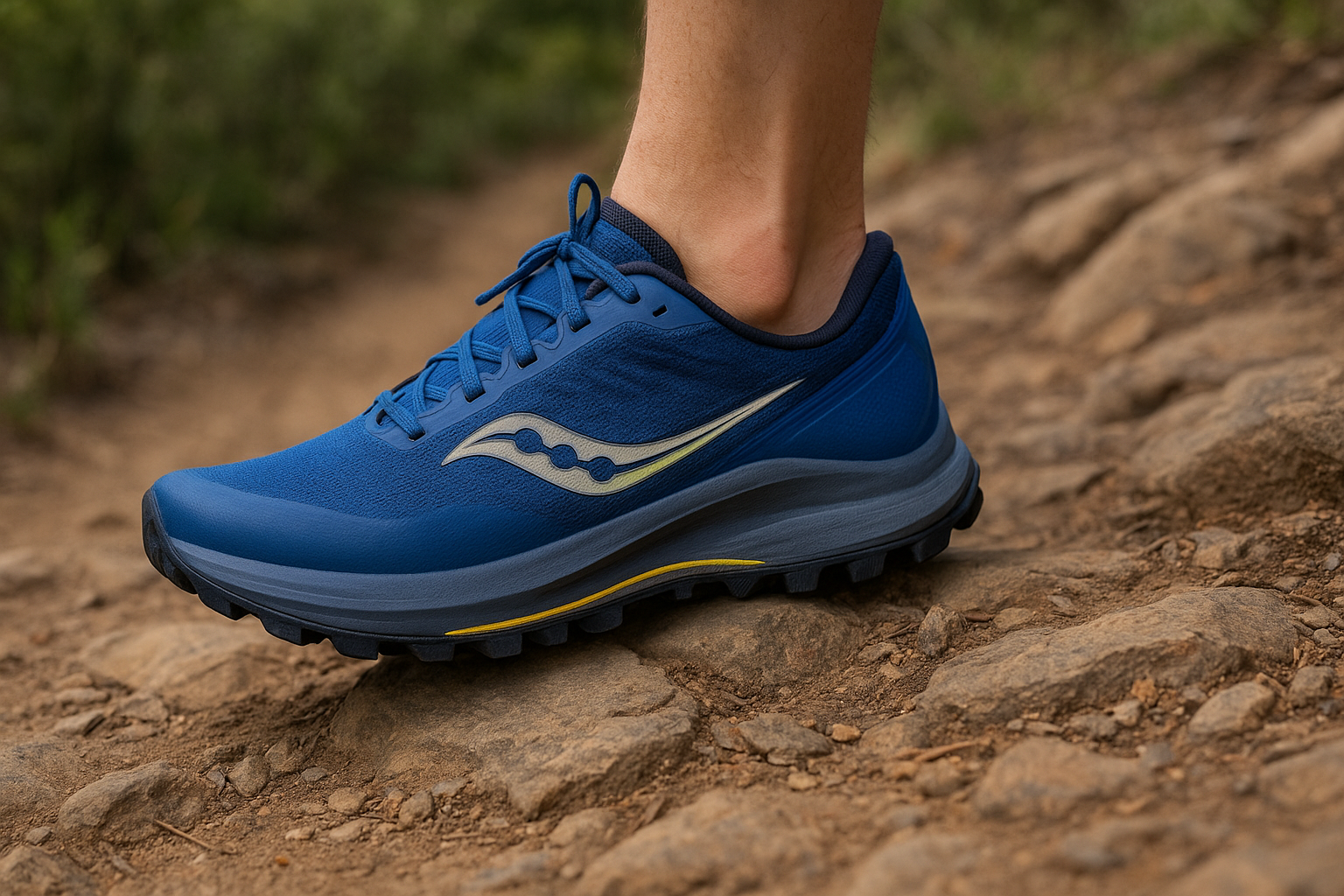
6. Saucony Peregrine 16: best for technical trails
Saucony built the Peregrine line for runners who want confidence on rocky, root-covered ground, and the 16th version keeps that focus sharp. If your local trails involve scrambling over sandstone ledges or picking through loose rock in places like the Blue Mountains, this shoe handles that terrain better than most of the softer, road-leaning options on this list.
Why it suits beginners
Newer runners often avoid technical trails because they don’t trust their footing, and the Peregrine 16 removes a lot of that hesitation. The PWRTRAC outsole grips aggressively on wet rock and loose gravel, so you spend less mental energy worrying about slipping and more time actually enjoying the run.
Confidence on rocky ground comes from the outsole underfoot, not from experience you haven’t built yet.
Key features
Saucony paired an aggressive lug pattern with a low-profile midsole, keeping the shoe close to the ground for better feedback on technical sections. Key specs include:
- Stack height: 27mm heel, 23mm forefoot (4mm drop)
- Outsole: PWRTRAC rubber, 5mm lugs
- Weight: approximately 269g (men’s), 230g (women’s)
- Upper: reinforced mesh with a rock guard plate
Fit, support and comfort
The fit runs slightly narrow through the midfoot, so runners with wider feet may want to size up half a size for comfort on longer efforts. The rock plate underfoot protects against sharp stones without making the shoe feel stiff, which suits beginners still learning to read technical terrain by feel. Heel lockdown is secure, helped by a snug collar that limits slippage on steep descents, though some runners find the lower stack height gives less cushioning than the Speedgoat 7 over longer distances.
Price and value
Expect to pay around AUD $200-$220, sitting comfortably mid-range against the rest of this list. Durability is solid across technical terrain, with most runners getting 400-450km before the outsole wears down, making it a strong pick if your local trails lean rocky rather than smooth.
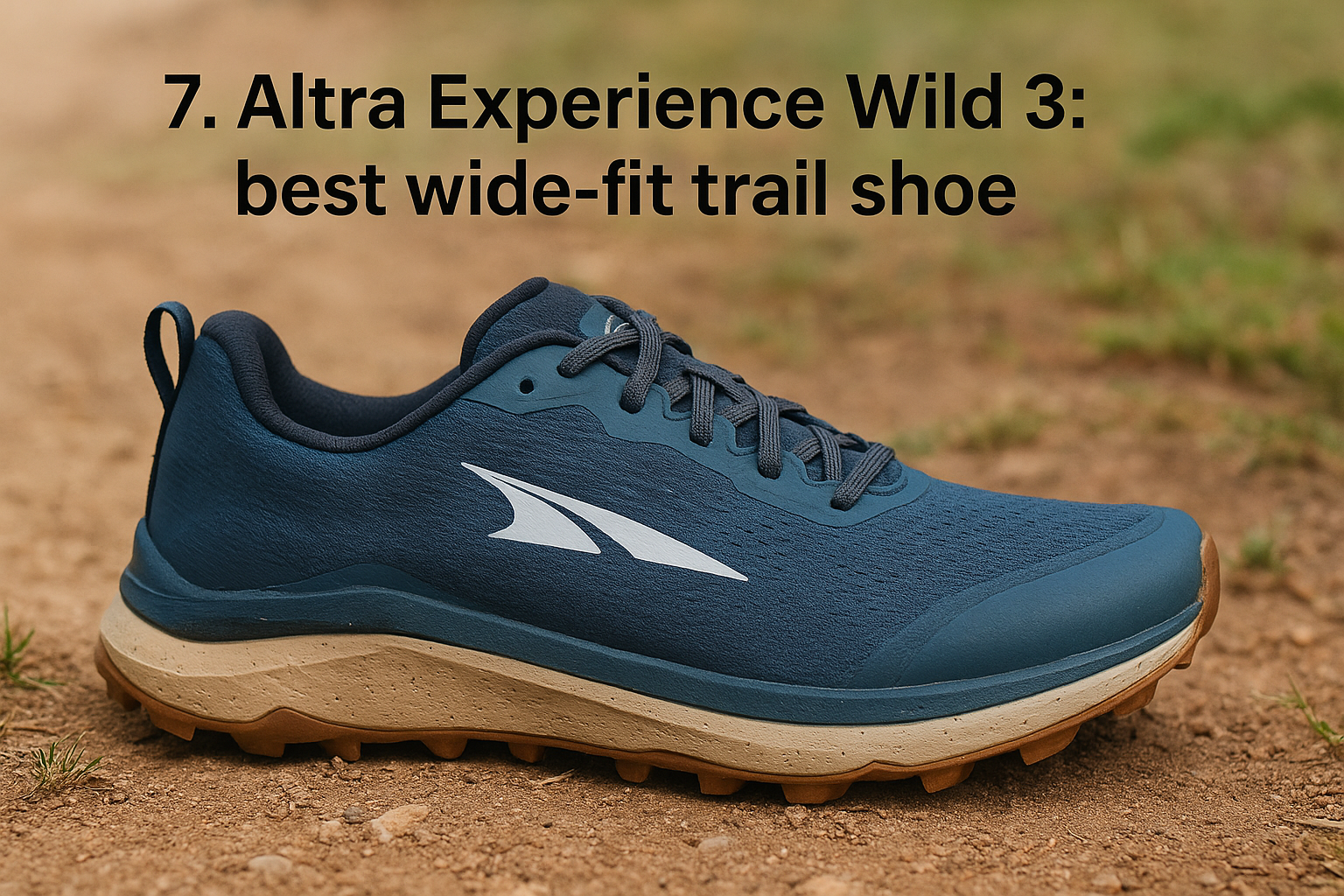
7. Altra Experience Wild 3: best wide-fit trail shoe
Altra built its reputation on foot-shaped lasts, and the Experience Wild 3 brings that philosophy to the trail. If you’ve ever finished a run with bruised toenails or cramped, aching toes, this shoe solves a problem most other brands on this list simply don’t address. It’s designed for runners whose feet splay naturally and need room to do it without a tapered toe box fighting back.
Why it suits beginners
Wider feet are common among beginners who’ve spent years in standard road shoes, only to discover on their first trail run that their toes need more space to grip and balance on uneven ground. The Experience Wild 3’s foot-shaped toe box lets your toes spread properly, improving stability on loose surfaces without you having to size up and deal with a sloppy heel fit.
A wider toe box fixes stability problems that no amount of ankle support can solve.
Key features
Altra’s signature zero-drop platform sits at the centre of this shoe’s design, promoting a more natural foot strike for runners transitioning away from heavily cushioned road shoes. Key specs include:
- Stack height: 29mm heel, 29mm forefoot (0mm drop)
- Outsole: MaxTrac rubber, 4mm lugs
- Weight: approximately 291g (men’s), 249g (women’s)
- Upper: engineered mesh with a wide, foot-shaped toe box
Fit, support and comfort
The fit runs true to size in length but noticeably wider through the forefoot than every other shoe on this list, so narrow-footed runners may find it feels loose without a lacing adjustment. The zero-drop design takes adjustment if you’re used to a raised heel, and beginners should ease into it gradually rather than jumping straight into long runs. If you’ve had recurring forefoot or big toe joint pain, a podiatrist assessment before switching to zero-drop is worth the peace of mind.
Price and value
Expect to pay around AUD $230-$250, sitting mid-range against the rest of this list. Durability holds up reasonably well across 400km of mixed trail use, making it a solid long-term option once your feet adjust to the wider, flatter platform.
8. Nike Pegasus Trail 5: best road-to-trail transition
Nike built the Pegasus Trail 5 for runners who spend as much time on footpaths and bike trails as they do on actual dirt, and that’s a realistic description of most beginners in Sydney. Few new trail runners live next to a technical trailhead, so a shoe that copes with a road warm-up before hitting the fire trail solves a problem the more specialised shoes on this list simply weren’t built for.
Why it suits beginners
Beginners often start their trail journey from a road running background, and the Pegasus Trail 5 eases that transition rather than forcing an abrupt change in feel underfoot. It borrows the familiar React foam midsole from Nike’s road range, so the cushioning sensation feels close to what road runners already know, just with added grip and protection layered on top.
A shoe that bridges road and trail removes the awkward learning curve of switching platforms entirely.
Key features
Nike kept the upper light and breathable while adding a slightly more aggressive outsole than its road-focused siblings. Key specs include:
- Stack height: 32mm heel, 24mm forefoot (8mm drop)
- Outsole: rubber compound with 3mm lugs, suited to firetrail and gravel
- Weight: approximately 285g (men’s), 243g (women’s)
- Upper: engineered mesh with a gusseted tongue to reduce debris entry
Fit, support and comfort
The fit runs true to size with a roomier midfoot than Nike’s road shoes, though the toe box stays fairly standard rather than generous, so wide-footed runners may want to try the Cascadia 19 or Experience Wild 3 instead. The higher 8mm drop suits runners coming straight from road shoes who aren’t ready for a lower, more trail-specific platform yet. Cushioning feels soft and forgiving, though less protective on genuinely rocky terrain than the Speedgoat 7 or Peregrine 16.
Price and value
Expect to pay around AUD $220-$240, placing it mid-range against the rest of this list. Durability sits around 400km before the outsole shows real wear, a reasonable figure given its lighter, road-leaning construction.
9. New Balance Fresh Foam X Hierro v9: best cushioning
New Balance built the Hierro v9 around maximum underfoot protection, and it stands out among the best trail running shoes for beginners for anyone whose joints complain after longer efforts. If you’re carrying a bit more bodyweight, coming back from injury, or simply prefer a plush ride over ground feedback, this is the shoe that cushions every footfall without feeling sloppy.
Why it suits beginners
Beginners often push through fatigue with sloppier form than they realise, and the Hierro v9’s thick Fresh Foam X midsole soaks up a lot of that impact before it reaches your knees and hips. It suits runners easing into longer distances who want a forgiving landing rather than a firm, responsive feel underfoot.
Extra cushioning buys you margin for error while your trail running form is still developing.
Key features
New Balance paired its softest trail midsole with a Vibram outsole for reliable grip across mixed terrain. Key specs include:
- Stack height: 32mm heel, 26mm forefoot (6mm drop)
- Outsole: Vibram Megagrip, 4mm lugs
- Weight: approximately 297g (men’s), 255g (women’s)
- Upper: breathable mesh with a padded, gusseted tongue
Fit, support and comfort
Runners generally find the fit true to size, with a wider midfoot than the Speedgoat 7 and a secure heel that holds firm on descents despite the soft cushioning above it. Sizing stays consistent between men’s and women’s versions, so it’s an easy shoe to try on and trust straight away. Underfoot, the ride feels noticeably softer than the Peregrine 16 or Cascadia 19, which some runners with stability concerns may want to check against a podiatrist’s advice first.
Price and value
Expect to pay around AUD $230-$250, sitting comfortably mid-range against the rest of this list. Durability holds up reasonably well across 400-450km, though the softer foam compresses faster than firmer options like the Agravic 3, meaning heavier runners might notice cushioning loss sooner than the stated distance suggests.
10. Merrell ProMorph: best for gravel and light trails
Merrell built the ProMorph for runners who spend most of their time on gravel paths, hard-packed firetrail and the occasional grassy verge rather than gnarly single track. If your closest trail is a wide, well-maintained loop like the one around Narrabeen Lagoon, this shoe matches that terrain without over-engineering the experience.
Why it suits beginners
Most beginners start on gentle, low-risk terrain before working up to anything technical, and the ProMorph is built precisely for that stage. Its lightweight construction keeps the shoe feeling closer to a road trainer than a rugged trail shoe, which suits runners who want a gentle introduction rather than a shoe demanding respect from day one.
A shoe matched to easy terrain lets you build fitness before you need to worry about grip.
Key features
Merrell kept the ProMorph’s build simple, prioritising a smooth ride over aggressive traction. Key specs include:
- Stack height: 28mm heel, 22mm forefoot (6mm drop)
- Outsole: Merrell rubber compound, 3mm lugs
- Weight: approximately 260g (men’s), 220g (women’s)
- Upper: breathable knit mesh with minimal overlays
Fit, support and comfort
The fit runs true to size with a comfortably rounded toe box, giving enough room for natural toe splay without feeling loose. Heel lockdown is adequate rather than exceptional, so runners tackling steeper descents may notice more slippage than they would in the Cascadia 19 or Peregrine 16. Cushioning feels balanced, softer than the Agravic 3 but firmer than the Hierro v9, making it a comfortable middle ground for beginners still working out their preference.
Price and value
Expect to pay around AUD $180-$200, keeping it firmly in the budget-friendly bracket alongside the Pulsar Trail. Durability sits around 350-400km given the shallower lugs and lighter construction, which is a fair trade-off if your trails stay smooth and your weekly mileage is still building.
11. Topo Athletic MTN Racer 4: best foot-shaped fit
Topo Athletic occupies similar territory to Altra, building shoes around a roomier, foot-shaped last rather than the tapered toe box you’ll find on most mainstream brands. The MTN Racer 4 adds a moderate drop to that formula, making it a gentler entry point than a full zero-drop shoe if you like the idea of natural toe splay but aren’t ready to overhaul your stride completely.
Why it suits beginners
Runners who’ve struggled with cramped, tapered toe boxes on other shoes in this list often find relief here without the adjustment period that comes with Altra’s zero-drop platform. The moderate 3mm drop keeps the transition manageable for beginners moving from cushioned road shoes, while the wider forefoot still lets your toes do their job on uneven ground.
A foot-shaped toe box with a gentle drop gives beginners the stability benefits without the steep learning curve.
Key features
Topo built the MTN Racer 4 with a moderate stack and a grippy outsole suited to mixed terrain rather than purely technical trails. Key specs include:
- Stack height: 26mm heel, 23mm forefoot (3mm drop)
- Outsole: Vibram Megagrip, 4mm lugs
- Weight: approximately 269g (men’s), 227g (women’s)
- Upper: breathable mesh with a reinforced toe cap
Fit, support and comfort
Sizing runs true to length, and the wide forefoot gives noticeably more room than the Speedgoat 7 or Peregrine 16 without feeling sloppy through the heel. The low-to-moderate stack height keeps you closer to the ground, which suits beginners wanting more trail feedback than a plush, road-leaning shoe provides. If you’ve had bunion pain or crowded toes in the past, this shoe’s shape is worth trying before you assume custom orthotics are your only option.
Price and value
Expect to pay around AUD $220-$240, sitting mid-range against the rest of this list. Durability holds up well across 400-450km of mixed trail use, making it a solid pick for beginners who want a foot-shaped fit without committing to Altra’s fully flat platform.
12. When to see a podiatrist about trail running foot pain
Even the best trail running shoes for beginners won’t fix a problem that starts with your biomechanics. A new pair of shoes can mask poor gait mechanics for a while, but persistent pain in your arch, heel or forefoot after switching shoes usually points to something a shoe alone can’t solve. Pushing through that discomfort is how a minor niggle turns into plantar fasciitis or a stress fracture that sidelines you for months.
Pay attention to how long any soreness lasts. Muscle fatigue after a longer-than-usual trail run is normal and typically eases within a day or two. Sharp or localised pain that doesn’t settle, or discomfort that shows up at the start of every run regardless of distance, is your body telling you something structural needs a proper look.
Pain that returns every run, no matter the shoe, is your body asking for an assessment, not a new purchase.
Book a podiatry appointment if you notice any of the following:
- Heel pain that’s worst with your first steps in the morning
- Persistent arch pain that lingers after rest days
- Numbness or tingling across the forefoot during or after runs
- Recurrent ankle rolling on the same side
- Bruised or lifting toenails after nearly every longer run
- Pain that changes your running form to compensate
A proper gait analysis identifies whether the issue is your stride, your arch type, or a shoe mismatch you haven’t picked up on yet. At ModPod Podiatry, we combine pressure plate analysis with a hands-on biomechanical assessment across our Sydney CBD, Mosman, Dee Why, Rose Bay and North Ryde clinics, so you get a clear answer rather than a guess. Sometimes the fix is as simple as a lacing adjustment. Other times, custom orthotics or a different shoe category altogether makes the difference between running comfortably and nursing the same injury every few weeks.
Taking the next step on the trail
Picking one of these ten shoes puts you well ahead of most beginners who grab whatever looks good in-store. Match the lug depth to your local terrain, get the fit right through the toe box, and you’ll avoid most of the rookie mistakes that end trail running careers before they properly start. But shoes only solve part of the equation. Your gait and foot shape decide whether any shoe on this list actually works for you, and no amount of cushioning or grip fixes a biomechanical issue underneath it.
If you’re still getting niggling pain after trying a few of these options, don’t just keep swapping shoes and hoping. A proper assessment tells you what’s actually going on, whether that’s your stride, your arch, or something a podiatrist needs to look at directly. Book an appointment online with our team across Sydney, and get back on the trail with confidence rather than guesswork.

