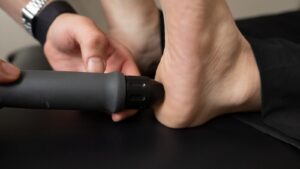


Lower leg pain at night is a common complaint that affects many Australians, often disrupting sleep and causing significant discomfort. While it may seem like an isolated issue, nocturnal leg pain can be a symptom of various underlying conditions, ranging from muscle fatigue to more serious health concerns. At ModPod Podiatry, our Sydney podiatrists — with clinics in Dee Why, Mosman, Rose Bay, North Ryde, and CBD — see patients with lower leg pain regularly and offer evidence-based solutions. Understanding the causes and identifying effective treatment options can help alleviate pain and improve overall well-being.
Common Causes of Lower Leg Pain at Night
1. Muscle Cramps and Spasms
One of the most common reasons for lower leg pain at night is muscle cramps. These sudden, involuntary contractions of the muscles—typically in the calves—can be triggered by dehydration, electrolyte imbalances, excessive physical activity, or prolonged inactivity.
2. Restless Leg Syndrome (RLS)
RLS is a neurological condition that causes an uncontrollable urge to move the legs, particularly at night. This condition is often accompanied by tingling, aching, or a crawling sensation in the lower legs, making it difficult to fall asleep. RLS can be linked to iron deficiency, kidney disease, pregnancy, or certain medications.
3. Peripheral Artery Disease (PAD)
PAD occurs when narrowed arteries reduce blood flow to the lower limbs, leading to pain, cramping, or discomfort, especially at night. This condition is more common in individuals who smoke, have diabetes, or suffer from high blood pressure. If left untreated, PAD can lead to more severe complications, including an increased risk of ulcers and infections.
4. Varicose Veins and Venous Insufficiency
When veins struggle to return blood to the heart, it can result in pooling and increased pressure in the lower legs, leading to pain and swelling. This condition often worsens at night after prolonged standing or sitting during the day. Symptoms may include heaviness, aching, and visible varicose veins.
5. Nerve Compression and Neuropathy
Nerve-related issues, such as sciatica or diabetic neuropathy, can cause sharp or burning pain in the lower legs. Neuropathy, common in people with diabetes, results from nerve damage due to high blood sugar levels, leading to numbness, tingling, and pain, which can intensify at night.
6. Overuse or Strain from Exercise
Excessive physical activity, particularly high-impact exercises like running or jumping, can lead to overuse injuries, causing muscle inflammation and delayed onset muscle soreness (DOMS). This pain can peak at night due to inflammation and reduced circulation during rest.
7. Bone and Joint Conditions
Conditions such as osteoarthritis, rheumatoid arthritis, or stress fractures can contribute to persistent leg pain at night. Arthritis-related pain often worsens during periods of inactivity, making night-time discomfort more noticeable.
8. Deep Vein Thrombosis (DVT)
DVT is a serious condition caused by blood clots forming in the deep veins of the legs. Symptoms include swelling, warmth, and sharp pain, which can become more noticeable at night. Immediate medical attention is necessary if DVT is suspected, as it can lead to life-threatening complications.
9. Growing Pains (Children)
Growing pains are a common cause of night-time leg discomfort in children, typically occurring in preschool and school-aged kids. These pains usually affect both legs and are often felt in the calves, thighs, or behind the knees. While the exact cause remains unclear, they are believed to be linked to muscle fatigue from daily activities rather than actual bone growth. Symptoms usually appear in the late afternoon or evening and may wake children from sleep.
Effective Treatment and Prevention Strategies
1. Stay Hydrated and Maintain Electrolyte Balance
Dehydration and an imbalance in electrolytes like potassium, calcium, and magnesium can trigger leg cramps. Drinking enough water and consuming a balanced diet rich in these nutrients can help prevent night-time muscle spasms.
2. Stretching and Exercise
Engaging in regular stretching, particularly before bed, can relieve muscle tension and reduce cramps. Gentle exercises such as walking, yoga, or swimming can also improve circulation and strengthen leg muscles, reducing the risk of nocturnal pain.
3. Improve Circulation
Elevating your legs before bed and wearing compression socks can help enhance blood flow and reduce venous-related discomfort. Avoid sitting or standing for extended periods, and take short breaks to move around during the day.
4. Manage Underlying Medical Conditions
If conditions like diabetes, PAD, or varicose veins are contributing to lower leg pain, managing these conditions with the help of a healthcare professional can prevent worsening symptoms. This may include medication, lifestyle changes, or targeted treatments such as physiotherapy or podiatry care.
5. Adjust Sleeping Position and Bedding
Sleeping with a pillow under your legs can help relieve pressure and improve blood circulation. Using a supportive mattress and ensuring proper leg alignment can also reduce pain and discomfort.
6. Heat and Cold Therapy
Applying a warm compress or heating pad before bed can help relax tight muscles and alleviate pain. Alternatively, using an ice pack can reduce inflammation and numb pain associated with nerve compression or injuries.
7. Seek Professional Help from a Sydney Podiatrist
If your lower leg pain persists despite lifestyle modifications, consulting a podiatrist or healthcare professional is essential. A podiatrist can assess your foot and leg mechanics, recommend orthotic solutions, and provide targeted treatments to alleviate pain. ModPod Podiatry’s Sydney team can help identify the biomechanical factors contributing to your night-time leg pain.
When to See a Doctor
While occasional lower leg pain at night is common, persistent or severe pain may indicate a more serious condition requiring medical attention. You should see a doctor if you experience:
- Severe, persistent, or worsening pain
- Swelling, redness, or warmth in the affected leg
- Numbness, tingling, or loss of sensation
- Pain accompanied by breathing difficulties or chest pain (a potential sign of a blood clot)
Frequently Asked Questions About Lower Leg Pain at Night
Why does lower leg pain get worse at night?
Several factors can make lower leg pain worse at night. Reduced physical activity during sleep means less blood circulation and muscle movement to flush out inflammatory chemicals. Some conditions — such as restless leg syndrome, nerve compression, and varicose veins — are also naturally more symptomatic at rest. A thorough assessment by a Sydney podiatrist can help pinpoint the specific cause in your case.
What deficiency causes leg cramps at night in Australia?
Deficiencies in magnesium, potassium, calcium, or vitamin D can contribute to nocturnal leg cramps. Dehydration is also a common factor. If you suspect a nutritional deficiency, speak with your GP about a blood test. A well-balanced diet rich in leafy greens, nuts, dairy, and bananas can help maintain electrolyte balance.
Can a podiatrist help with leg cramps at night?
Yes. Podiatrists can assess your lower limb biomechanics, gait patterns, and muscle function to identify contributing factors to nocturnal leg cramps. Custom orthotics, stretching programs, and footwear advice from a podiatrist can make a meaningful difference, particularly if the cramps are related to overuse, poor foot posture, or muscle imbalances.
How do I stop leg pain at night immediately?
For immediate relief from nocturnal leg pain or cramps: gently stretch the calf by flexing your foot (toes toward the knee), walk around or massage the cramping muscle, apply a warm heat pack, and ensure you’re well-hydrated. These measures can provide fast relief. For persistent night pain, book an assessment at ModPod Podiatry Sydney to address the underlying cause.
Is lower leg pain at night a sign of poor circulation?
It can be. Peripheral artery disease (PAD) and venous insufficiency are circulation-related conditions that frequently cause leg pain at rest or at night. Other symptoms to watch for include changes in skin colour or temperature, swelling, or slow-healing wounds on the lower legs. These symptoms warrant urgent medical assessment.
Should I see a podiatrist or GP for lower leg pain at night?
It depends on the likely cause. If the pain appears to be related to foot mechanics, overuse, or muscle function, a podiatrist is a great first step. If you suspect a vascular or neurological cause, your GP should be your first port of call. ModPod Podiatry’s Sydney team is experienced in identifying when a referral to another specialist is needed, and we work collaboratively with GPs for the best patient outcomes.
Book Your Assessment at ModPod Podiatry Sydney
Lower leg pain at night can stem from a variety of causes, including muscle cramps, circulation issues, nerve-related conditions, and joint problems. Identifying the underlying cause is key to finding effective relief and preventing long-term complications.
If you’re struggling with persistent lower leg pain, the team at ModPod Podiatry is here to help. Our experienced Sydney podiatrists can assess your condition, provide expert guidance, and offer tailored treatment plans to get you back on your feet comfortably. Book your appointment online today at Dee Why, Mosman, Rose Bay, North Ryde, or our CBD clinic on Hunter Street.