

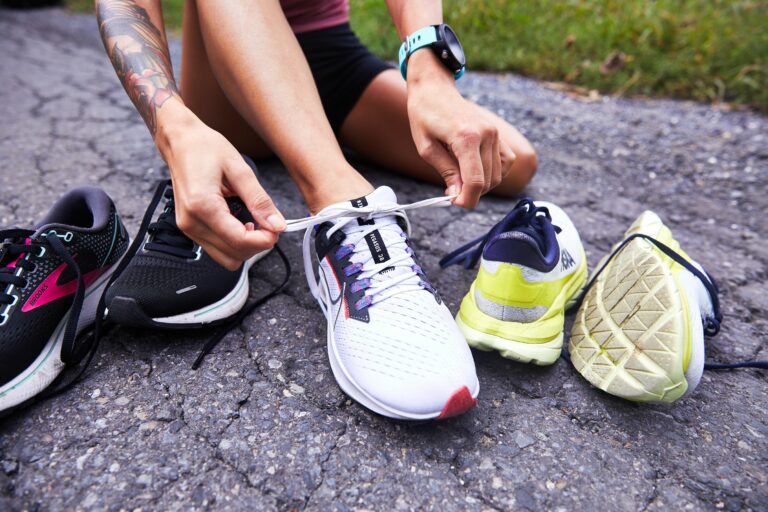
Orthotic shoes are specialised footwear designed to provide support, cushioning, and stability to the feet. They can be used to treat a range of foot conditions, as well as alleviate pain in other areas of the body such as the knees, hips, and lower back. At ModPod Podiatry, our Sydney podiatrists — with clinics across Dee Why, Mosman, Rose Bay, North Ryde, and the CBD — frequently recommend appropriate orthotic footwear as part of a comprehensive treatment plan. This type of shoe comes in a variety of styles, materials, and designs, and can be custom-made or purchased off-the-shelf.
The benefits of orthotic shoes are numerous. They can improve foot function, reduce pain, and prevent further damage to the feet. They can also improve posture and balance, as well as reduce the risk of falls. In this article, we will explore the different types of orthotic shoes, their benefits, and how to choose the right type for your needs.
Types of Orthotic Shoes
Orthotic shoes come in a variety of types, materials, and styles, each with its own unique benefits. Here are some of the most common types:
1. Athletic Shoes
Athletic shoes are designed for sports and physical activity. They are often used to treat conditions such as plantar fasciitis and overpronation. Athletic shoes can come in a range of materials, including mesh, leather, and synthetic materials.
2. Dress Shoes
Dress shoes are designed for formal occasions and professional settings. They are often used to treat conditions such as flat feet and heel spurs. Dress shoes can come in a range of materials, including leather and synthetic materials.
3. Sandals
Orthotic sandals are designed for warm weather and outdoor activities. They are often used to treat conditions such as flat feet and plantar fasciitis. Sandals can come in a range of materials, including leather, synthetic materials, and rubber.
4. Boots
Orthotic boots are designed for cold weather and outdoor activities. They are often used to treat conditions such as flat feet and overpronation. Boots can come in a range of materials, including leather, synthetic materials, and rubber.
Benefits of Orthotic Shoes
Orthotic shoes offer a range of benefits for those suffering from foot conditions or pain. Here are some of the most significant benefits:
1. Improved Foot Function
Orthotic shoes can improve foot function by providing support and cushioning to the foot. This can help to alleviate pain and reduce the risk of further damage to the feet. Orthotic shoes can also improve gait and balance, as well as reduce the risk of falls.
2. Pain Relief
Orthotic shoes can provide pain relief for a range of foot conditions, including flat feet, plantar fasciitis, and heel spurs. They can also alleviate pain in other areas of the body, such as the knees, hips, and lower back, as these conditions are often linked to problems with the feet.
3. Improved Posture and Balance
Orthotic shoes can improve posture and balance by providing support and cushioning to the feet. This can help to improve gait and reduce the risk of falls.
4. Prevention of Further Damage
Orthotic shoes can help to prevent further damage to the feet by providing support and cushioning to the affected areas. This can help to alleviate pain and reduce the risk of further damage.
Choosing the Right Orthotic Shoes
Choosing the right orthotic shoes is essential in achieving the best results for your foot condition or pain. Here are some factors to consider when selecting orthotic shoes:
- Foot Condition: Different types of orthotic shoes are designed to address specific foot conditions. It is important to identify your specific foot condition and select the appropriate shoe to address it.
- Arch Type: The shape and height of your foot arch can affect the type of shoe that will be most beneficial for you. High arches may require a different type of support than flat feet, for example.
- Material: Orthotic shoes can be made from a range of materials, including leather, synthetic materials, and rubber. Consider which material will provide the best level of comfort and support for your feet.
- Fit: Proper fit is crucial for the effectiveness of orthotic shoes. It is important to select the right size and shape to ensure the shoe fits comfortably and provides the necessary support to the foot.
- Consultation: If you are unsure about which orthotic shoe is best for you, it may be helpful to consult with a podiatrist who can evaluate your foot condition and recommend the most appropriate type of shoe for your needs.
Click here for more information on Custom Orthotics
Frequently Asked Questions
What makes a shoe “orthotic-friendly”?
An orthotic-friendly shoe typically has a removable insole (to make room for custom orthotics), a firm heel counter, adequate depth, and a supportive sole. If you use custom orthotics prescribed by your Sydney podiatrist, it’s important to choose shoes that can accommodate them properly.
Do I need a podiatrist’s recommendation to buy orthotic shoes?
You don’t necessarily need a referral to buy off-the-shelf orthotic shoes, but a consultation with one of our Sydney podiatrists at ModPod Podiatry is highly recommended. We can assess your foot type, gait, and specific condition to ensure you choose the most appropriate footwear for your needs.
Can orthotic shoes replace custom orthotics?
For mild foot conditions, orthotic shoes with built-in arch support may be sufficient. However, for more complex biomechanical issues or specific foot conditions, custom orthotics prescribed by a podiatrist will provide a higher level of personalised support than any off-the-shelf shoe can offer.
Are orthotic shoes covered by private health insurance in Australia?
Custom orthotics are often partially covered by private health insurance extras cover in Australia, but standard orthotic shoes typically are not. It’s worth checking your specific policy. Custom orthotics prescribed by our ModPod Podiatry team may attract a health fund rebate.
How long do orthotic shoes last?
The lifespan of orthotic shoes depends on how frequently they are worn and the activity level of the wearer. As a general guide, athletic shoes may need replacing every 6–12 months, while more durable leather styles may last 1–2 years. Your podiatrist can advise when your footwear needs updating.
Can orthotic shoes help with knee pain?
Yes. Many cases of knee pain are linked to foot biomechanics, particularly overpronation (rolling inward). Orthotic shoes — or shoes with custom orthotics — can help correct foot alignment and reduce the stress placed on the knees during everyday activities.
Get Expert Footwear Advice From Our Sydney Podiatrists
Not sure which orthotic shoes are right for you? The experienced podiatrists at ModPod Podiatry across Sydney can help you find the best footwear for your foot type and condition. With clinics in Dee Why, Mosman, Rose Bay, North Ryde, and Sydney CBD, quality podiatry advice is always within reach.
Book online today or call us on (02) 9960 3981 for expert advice on orthotic shoes and custom foot orthotics.

