

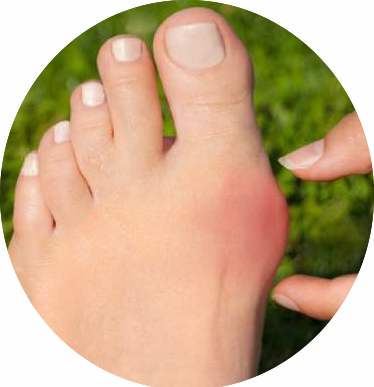

Non-Surgical Treatment Options for Foot Bunions in Sydney
In severe cases, patients may require bunion surgery. However, there are many practical, non-surgical measures you can take to relieve foot bunion symptoms and slow their progression. Here are the most effective Bunion Treatment options:
- Wearing appropriate footwear. Narrow, pointed shoes are one of the primary causes of foot bunions — and also why bunions are far more prevalent in women. Shoes that fit properly with good arch support and an ample toe box are essential for both prevention and treatment. If you wear open-toed heels, ensure they have an ankle strap to prevent your foot from sliding forward and increasing toe pressure.
- Use pads. A simple moleskin or gel pad placed over the bunion inside your shoe can provide meaningful relief by cushioning the joint and absorbing friction, reducing both pain and swelling. Note: diabetic patients or those with poor circulation should avoid medicated pads, as they may damage vulnerable skin.
- Place orthotics inside your shoes. Orthotics are designed to correct the faulty foot mechanics that contribute to foot bunions. As well as providing pain relief, they can slow the progression of the deformity. Custom orthotics fitted by one of our Sydney podiatrists deliver the best outcomes, as they’re designed specifically for your foot structure and gait pattern.
- Over-the-counter medications. NSAIDs such as ibuprofen or naproxen can help relieve both pain and swelling from a foot bunion. Use sparingly to avoid side effects like stomach ulcers. Your podiatrist may also recommend cortisone injections into the affected joint for more immediate symptomatic relief, though the effect is temporary.
Prevention: Looking After Your Feet in Sydney
Prevention is always better than cure. Taking good care of your feet and choosing the right footwear can significantly reduce your risk of developing a foot bunion. If you already have a bunion, these measures can help manage symptoms and slow progression. Our Sydney podiatrists at Mosman, Dee Why, Rose Bay, and North Ryde are experienced in developing personalised bunion management plans. Don’t forget to make an appointment with your podiatrist — they can recommend additional measures to improve and, where possible, correct your bunions.
Frequently Asked Questions
What is a foot bunion and how does it form?
A foot bunion is a bony deformity at the first metatarsophalangeal joint — where the foot meets the big toe. The joint gradually shifts outward as the toe angles toward the smaller toes, creating a painful bony lump. It develops over months or years due to footwear, genetics, or biomechanical problems.
How do I know if I have a foot bunion?
Key signs include a visible bony lump at the base of the big toe, pain or soreness around the joint, redness or swelling, and restricted movement of the toe. You may also find it increasingly difficult to fit into your usual shoes.
Can foot bunions be treated without surgery?
Yes — the majority of foot bunions are managed conservatively without surgery. Custom orthotics, appropriate footwear, padding, and anti-inflammatory medication can all reduce pain and slow progression. Surgery is typically only recommended for severe or non-responsive cases.
Are custom orthotics better than over-the-counter insoles for bunions?
Custom orthotics are generally more effective because they’re designed specifically for your foot shape, biomechanics, and bunion severity. Our Sydney podiatrists assess your gait and foot structure before prescribing custom orthotics tailored to your needs.
Can children develop foot bunions?
Yes, juvenile bunions can develop in children and teenagers, usually due to genetics. They’re often managed conservatively, as surgery is generally not recommended until the foot has finished growing.
How long does it take for bunion treatment to work?
Results vary depending on the severity and treatment approach. Many patients notice reduced pain within a few weeks of wearing orthotics and appropriate footwear. Slowing or halting bunion progression is a longer-term goal, typically assessed over 3–6 months.
Where can I get a bunion assessment in Sydney?
ModPod Podiatry offers professional foot bunion assessments across Sydney, with clinics in Dee Why, Mosman, Rose Bay, North Ryde, and the CBD. You can book a same-week appointment online or call our team directly.
Book Your Foot Bunion Assessment Today
If you’re experiencing foot bunion pain or have noticed a bony lump developing on your big toe, don’t wait. Early intervention leads to better outcomes and may help you avoid surgery altogether. Our expert podiatrists at ModPod Podiatry are ready to help — with clinics conveniently located across Sydney. Book online today or call us on (02) 9960 3981.

