
Custom orthotics in Sydney typically cost between $400 and $700, depending on the material, the complexity of your prescription and the clinical time needed to assess your gait. That price covers more than a shaped piece of foam. It covers a biomechanical assessment, a cast or digital scan of your foot, a prescription written for your specific walking pattern, and a fitting appointment with adjustments. Patients often ask us how much do custom orthotics cost before they book, and the honest answer depends on what your feet need — not a flat retail price. This guide breaks down where that cost comes from, what private health funds will rebate, and whether custom orthotics are worth it for your situation.
Why Custom Orthotics Cost What They Do
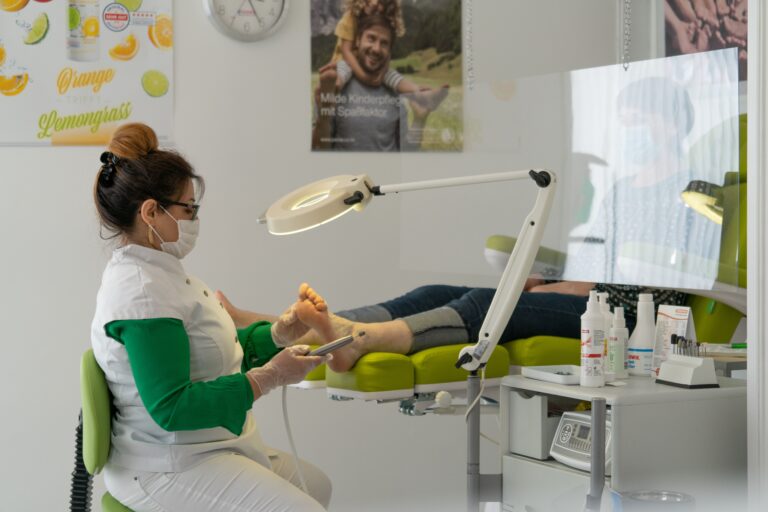
The price of custom orthotics reflects clinical time and materials, not markup on a product. A podiatrist watches you walk, assesses joint range of motion, and identifies which structures in your foot and lower limb are under load. That assessment is the main reason people ask how much do custom orthotics cost before they see a specific figure.
Material Choice Changes the Price
EVA foam orthotics sit at the lower end of the range. They are lighter, more flexible, and suit patients who need cushioning and moderate correction. Polypropylene shell orthotics cost more. They are rigid, more durable, and control excess pronation (the inward rolling of the foot) more precisely. Your podiatrist recommends a material based on your foot type, your activity level and the condition being treated, not on price alone.
Prescription Complexity
A standard orthotic for mild plantar fasciitis (inflammation of the band of tissue under the heel) costs less than a device built for a complex biomechanical presentation, such as a significant leg length difference or a rigid flat foot. More complex cases need more adjustment during manufacture and fitting, and that time is reflected in the fee.
What’s Included When You Get Custom Orthotics
A typical custom orthotics fee at ModPod covers the full process, not just the device:
- A gait assessment to see how you walk and where load concentrates through your foot
- A digital or foam cast impression of your foot in a corrected position
- Manufacture of the device to your specific prescription
- A fitting appointment, where your podiatrist checks the fit in your shoes and adjusts as needed
- A follow-up review, usually within six weeks, to confirm the orthotic is working as intended
This is why custom orthotics cost more than a shop-bought insole. You are paying for a clinical process with a defined outcome, not a single object.
Custom Orthotics vs Off-the-Shelf Insoles
Custom orthotics and off-the-shelf insoles are not the same product, despite looking similar. An off-the-shelf insole is made to a generic shape and offers general cushioning or arch support. A custom orthotic is built from a cast or scan of your foot and prescribed to correct or accommodate your specific walking pattern.
Off-the-shelf insoles have a place — they suit patients who need mild, general support and want to try a lower-cost option first. But for a diagnosed biomechanical condition, such as plantar fasciitis, Achilles tendinopathy or metatarsalgia (pain in the ball of the foot), a generic insole rarely delivers the same correction as a device made for your foot.
Private Health Cover and Medicare
Most private health Extras policies include a benefit for “orthotic appliances.” Medibank, BUPA, HCF and NIB all offer this benefit, though annual limits vary by policy — typically $100 to $300 per year. You need a podiatrist’s prescription to claim, and most funds require the device to be custom-made rather than pre-fabricated. ModPod uses HICAPS, so you can claim your rebate on the spot at the time of payment rather than submitting paperwork later.
Medicare does not cover the cost of the orthotic device itself. Under a Chronic Disease Management plan (formerly known as an Enhanced Primary Care or EPC plan), Medicare contributes toward a limited number of podiatry consultations each calendar year if your GP refers you with a relevant chronic condition. That rebate applies to the consultation, not to the orthotic itself. If you are unsure what your policy covers, our guide on does private health cover podiatry explains it in more detail.
How Long Do Custom Orthotics Last
Custom orthotics generally last two to five years, depending on the material, your body weight, activity level and how often you wear them. Polypropylene shells tend to outlast EVA foam devices. Children’s orthotics wear out faster — not from material breakdown, but because feet grow. We typically review and often replace children’s orthotics every 12 to 18 months.
Watch for signs your orthotics need replacing: visible cracking, the top cover wearing through, or a return of the symptoms they were originally prescribed to manage.
Are Custom Orthotics Worth It?
For the right patient, yes. Orthotics are a treatment for a diagnosed biomechanical issue, not a general-purpose accessory. We prescribe them when gait assessment shows a clear mechanical cause for pain or dysfunction — excess pronation contributing to shin splints, poor forefoot loading contributing to metatarsalgia, or inadequate arch support contributing to heel pain. If your podiatrist has already recommended orthotics after a biomechanical assessment, the cost reflects a device built to address a specific finding, not a precautionary purchase. We’ve covered this question in more depth in our article on custom orthotics in Sydney: are they worth it.
Not everyone needs custom orthotics. If your gait assessment does not identify a mechanical cause for your symptoms, a podiatrist should say so rather than prescribing a device by default.
Australian Context: Rebates and Claiming
Around one in six Australian adults reports foot pain in a given year, according to data cited by Sports Medicine Australia, and biomechanical issues are a common underlying cause. Most Sydney patients we see combine a private health Extras rebate with an out-of-pocket contribution. Bring your health fund card to your fitting appointment so we can process your HICAPS claim immediately.
Frequently Asked Questions
Q: How much do custom orthotics cost in Sydney?
A: Custom orthotics in Sydney generally cost between $400 and $700, depending on the material and the complexity of your prescription. This fee typically includes the gait assessment, casting, manufacture, fitting and a follow-up review.
Q: Does private health cover custom orthotics?
A: Most Extras policies with Medibank, BUPA, HCF and NIB include an “orthotic appliances” benefit, usually $100 to $300 per year. You need a podiatrist’s prescription, and the device generally needs to be custom-made rather than pre-fabricated.
Q: How long do custom orthotics last?
A: Most custom orthotics last two to five years, depending on the material and how much you wear them. Children’s orthotics usually need replacing every 12 to 18 months as their feet grow.
Q: Are custom orthotics better than insoles?
A: For a diagnosed biomechanical condition, yes. Custom orthotics are built from a cast of your foot and prescribed to your specific walking pattern, while off-the-shelf insoles offer generic support. Insoles can suit mild, general cases.
Q: Do I need a referral for custom orthotics?
A: No referral is required to see a podiatrist or be fitted for custom orthotics. If you want to claim under a GP Chronic Disease Management plan for the consultation, you will need a referral from your GP.
Book a Biomechanical Assessment
If you are dealing with ongoing foot, heel or lower limb pain, the first step is a biomechanical assessment, not a guess at which product to buy. Our podiatrists will assess your gait, confirm whether custom orthotics are appropriate, and give you an exact quote before you commit to anything. Book online at one of our CBD, Mosman, Dee Why, Rose Bay or North Ryde clinics.