
Ingrown toenails are a common and painful condition that can disrupt your daily life. When the edge of the toenail grows into the surrounding skin, it can cause redness, swelling, and discomfort. At ModPod Podiatry, we often see patients who suffer from this issue, sometimes repeatedly, across our Sydney clinics in Dee Why, Mosman, Rose Bay, North Ryde, and CBD. The good news is that with the right steps, you can prevent ingrown toenails from occurring. In this post, we’ll explore how to prevent ingrown toenails using simple strategies that promote healthy feet and toenails.
Understanding What Causes Ingrown Toenails
Before we dive into prevention, it’s important to understand what causes ingrown toenails. The most common causes include:
- Improper nail trimming: Cutting your toenails too short or rounding the edges increases the risk of the nail growing into the surrounding skin.
- Tight-fitting shoes: Shoes that squeeze the toes together or place excessive pressure on the toes can cause toenails to grow improperly.
- Foot trauma: Stubbing your toe or dropping something heavy on your foot can lead to an ingrown toenail.
- Genetics: Some people are simply more prone to developing ingrown toenails due to the natural shape of their nails or toes.
Understanding these causes will help you take proactive steps to keep your feet healthy and pain-free.
How to Prevent Ingrown Toenails: 5 Key Tips
Here are five effective ways to prevent ingrown toenails and avoid the discomfort and potential complications they can cause.
1. Trim Your Toenails Properly
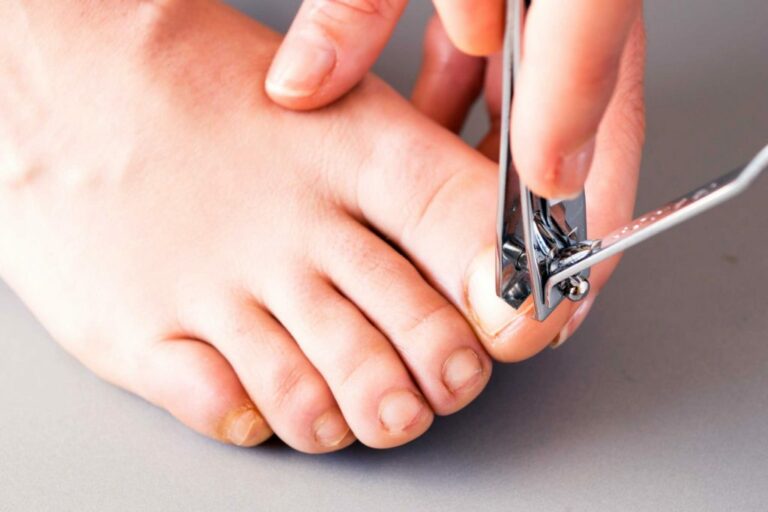
Proper toenail trimming is one of the most important steps in preventing ingrown toenails. Many people make the mistake of cutting their nails too short or rounding the corners, which can cause the nail to grow into the skin. Instead, follow these guidelines:
- Cut nails straight across: Avoid rounding the edges or cutting them too short. Leave a small bit of white at the edge of the nail to prevent it from growing inward.
- Use proper tools: Invest in a good pair of nail clippers designed specifically for toenails. Sharp, clean clippers make it easier to cut the nail cleanly without damaging the surrounding skin.
- Don’t tear or rip nails: Always cut your toenails with clippers instead of tearing them, which can lead to uneven edges that may become ingrown.
By keeping your toenails properly trimmed, you reduce the chances of ingrowth and keep your feet healthy.
2. Choose the Right Footwear
Wearing tight or ill-fitting shoes is another major contributor to ingrown toenails. Shoes that squeeze the toes or place excessive pressure on the toenails can cause the nail to dig into the surrounding skin. To prevent this, make sure to:
- Wear shoes with a wide toe box: Shoes that allow your toes to move freely reduce the risk of pressure on the nails.
- Avoid high heels: High heels can push your toes forward into the shoe, increasing the likelihood of developing ingrown toenails.
- Ensure shoes fit properly: Shoes that are too tight or too loose can cause friction or pressure on the nails. Properly fitted shoes can help maintain toenail health.
By choosing comfortable, well-fitted footwear, you can protect your toes from unnecessary pressure and reduce the risk of ingrown nails.
3. Practise Good Foot Hygiene
Maintaining good foot hygiene is essential for preventing many foot conditions, including ingrown toenails. Regularly caring for your feet helps keep them healthy and free from infection.
- Wash your feet daily: Use warm water and mild soap to clean your feet. Make sure to dry them thoroughly, especially between the toes, to prevent moisture build-up that can lead to fungal infections.
- Moisturise your feet: Dry skin around the toenails can become irritated and inflamed, making ingrown toenails more likely. Use a moisturiser to keep the skin soft and healthy.
- Inspect your feet regularly: Check your feet and toenails regularly for signs of redness, swelling, or other issues that could indicate the start of an ingrown toenail.
Good hygiene promotes overall foot health and reduces the chances of developing ingrown toenails.
4. Protect Your Feet from Trauma
Injuries to the toes, such as stubbing them or dropping heavy objects on them, can cause the toenails to grow improperly. To prevent this, take precautions to protect your feet from trauma.
- Wear protective shoes: If you’re engaging in activities where your feet could be at risk, such as working in construction or playing contact sports, wear appropriate protective footwear.
- Be mindful of your surroundings: Taking care to avoid stubbing your toes on furniture or other objects can reduce the risk of trauma that could lead to ingrown toenails.
Protecting your toes from injury will not only prevent ingrown toenails but also other foot problems.
5. Seek Early Treatment for Toenail Problems
If you notice any early signs of an ingrown toenail, such as tenderness, redness, or slight swelling, address the problem right away. Early intervention can prevent the condition from worsening and becoming more painful.
- Soak your feet in warm salt water: A warm saltwater soak can help reduce swelling and soften the skin around the toenail, making it easier to manage.
- Avoid self-treatment if unsure: If you’re not sure how to treat a developing ingrown toenail, it’s best to consult a podiatrist for professional advice.
- See a podiatrist if necessary: If your toenail becomes infected or the pain worsens, schedule an appointment with a podiatrist for ingrown toenail treatment. Professional treatment can prevent complications and provide long-term relief.
By addressing toenail problems early, you can avoid the need for more invasive treatments like toenail surgery.
Frequently Asked Questions About Ingrown Toenail Prevention
How do I know if my ingrown toenail is infected?
Signs of an infected ingrown toenail include increasing pain, warmth, and redness spreading beyond the nail edge, swelling, and discharge (pus) from around the nail. You may also notice a bad odour. If you see these signs, see a podiatrist promptly. Infections can spread if left untreated, particularly in people with diabetes or poor circulation.
Can I treat an ingrown toenail at home?
In the very early stages, gentle home care may help — soak the foot in warm salt water 2–3 times daily, keep the area clean, and wear open or loose footwear. However, if the nail has visibly grown into the skin, there is discharge, the pain is significant, or home care isn’t helping within a few days, professional podiatry treatment is strongly recommended. Attempting to “dig out” the nail at home (DIY bathroom surgery) often makes things worse.
Will an ingrown toenail go away on its own?
Very mild ingrown toenails may resolve with careful home care. However, once the nail edge has penetrated the skin, the body’s natural response is to form granulation tissue (excess skin) around it, which tends to make the problem self-perpetuating. Most ingrown toenails that have progressed beyond the mildest stage require professional podiatry treatment for complete resolution.
Does ingrown toenail surgery hurt?
Ingrown toenail procedures performed at ModPod Podiatry Sydney are carried out under local anaesthetic, so you should feel no pain during the procedure itself. There may be mild soreness for a day or two afterwards, easily managed with over-the-counter pain relief. Most patients are surprised at how straightforward and comfortable the procedure is. Results are long-lasting, with very low recurrence rates.
How long does recovery take after ingrown toenail treatment?
After conservative (non-surgical) podiatry treatment, most patients can return to normal activity within a day or two. After a partial nail avulsion procedure (a small surgical procedure), most people are back to normal activity within 2 weeks, with the toe fully healed within 4–6 weeks. Your podiatrist will provide specific aftercare instructions tailored to your procedure.
How can I permanently stop ingrown toenails from recurring?
Recurrent ingrown toenails can be permanently resolved with a partial nail avulsion and phenolisation — a simple in-clinic procedure where a small portion of the nail edge is permanently removed. This prevents regrowth of the problematic nail edge. At ModPod Podiatry, this procedure has an excellent success rate and is available at our Sydney clinics in Dee Why, Mosman, Rose Bay, and North Ryde.
Why Choose ModPod Podiatry for Ingrown Toenail Treatment in Sydney?
ModPod Podiatry is one of Sydney’s most experienced podiatry practices, with over 20 years treating ingrown toenails across our network of clinics. We offer same-week appointments, pain-free procedures, and clear aftercare guidance. All consultations are with fully qualified, AHPRA-registered podiatrists. Call us on (02) 9960 3981 or book online to get started.
Why Choose ModPod Podiatry?
At ModPod Podiatry, we specialise in diagnosing and treating a wide range of foot conditions, including ingrown toenails. Our team of experienced podiatrists uses advanced techniques to provide effective, personalised care for each patient. Whether you need preventative advice or professional ingrown toenail treatment, we’re here to help you maintain healthy, pain-free feet.
Our clinics are conveniently located across Sydney — Dee Why, Mosman, Rose Bay, North Ryde, and CBD (Hunter Street) — making it easy for you to access expert foot care when you need it most.
Conclusion
By following these simple strategies on how to prevent ingrown toenails, you can maintain healthy, pain-free feet and avoid the discomfort of this common condition. Proper nail trimming, wearing the right shoes, and practising good hygiene are key to prevention. And if you do experience any issues, seeking early treatment from a podiatrist can prevent the problem from worsening.
For more information or to book an appointment with one of our Sydney podiatrists at ModPod Podiatry, book online today. Keep your feet happy, healthy, and ingrown toenail-free!