
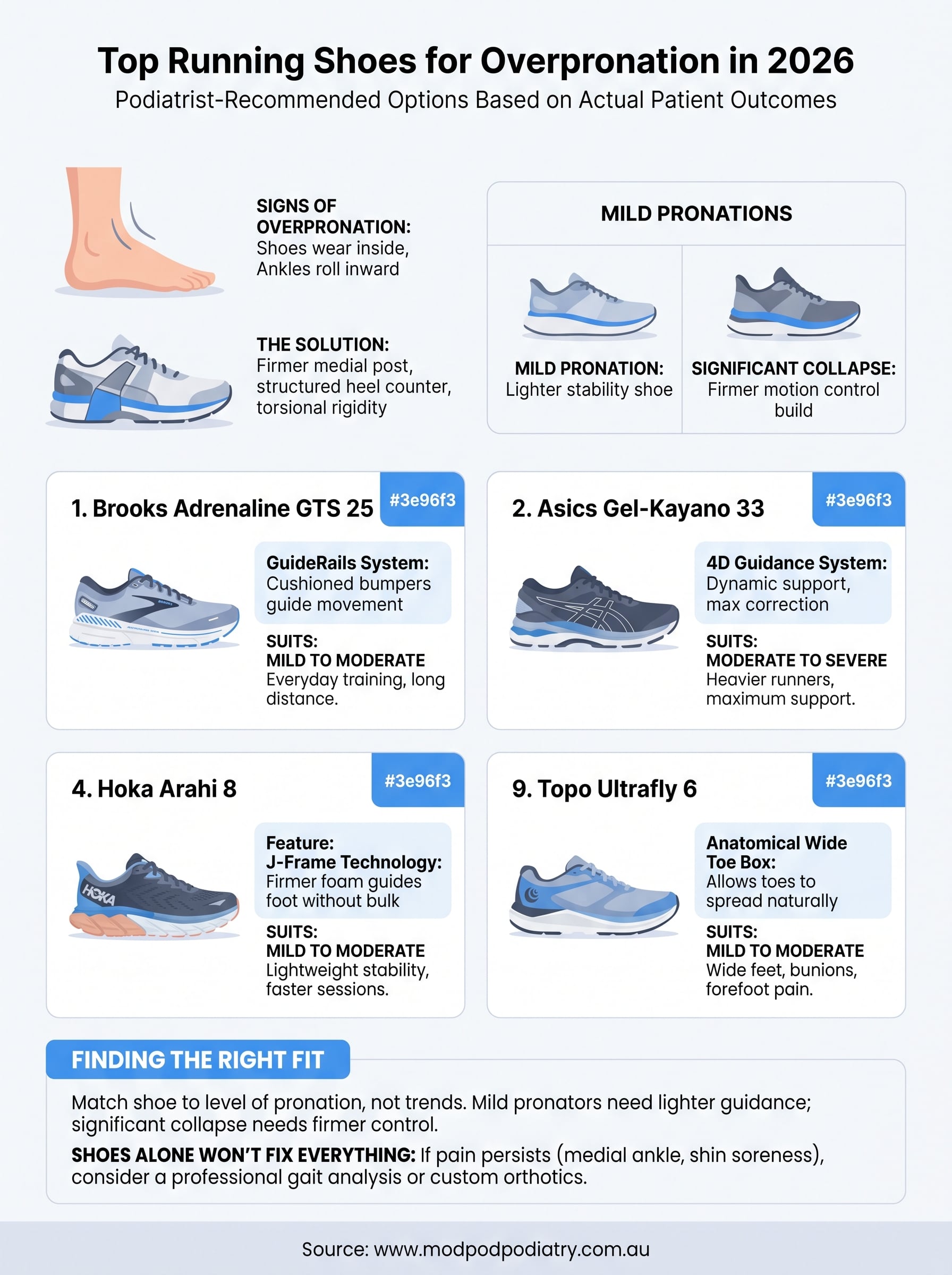
If your shoes wear down faster on the inside edge, or your ankles seem to roll inward with every stride, those are signs you overpronate. It’s one of the most common biomechanical issues we see at ModPod Podiatry, and the wrong footwear makes it worse, not better. Picking running shoes for overpronation without proper guidance often means buying based on marketing rather than what your feet actually need.
The short answer is that you need a stability or motion control shoe with a firmer medial post, structured heel counter, and enough torsional rigidity to stop your foot rolling inward past the point of efficient shock absorption. But not every overpronator needs the same shoe. Mild overpronators often do fine in a lighter stability shoe, while more significant collapse through the arch needs a firmer motion control build.
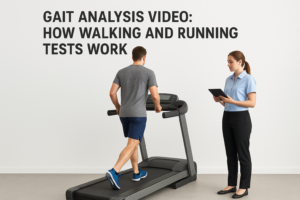
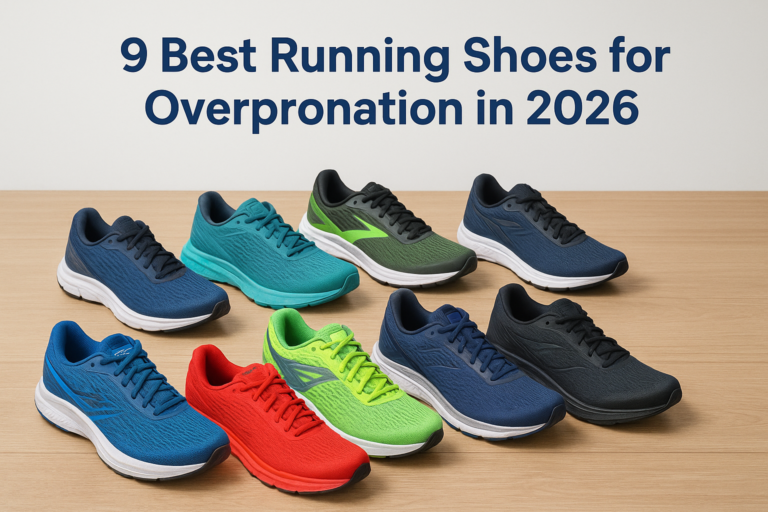
Below, we’ve shortlisted nine shoes for 2026 based on what we actually see working for patients across our Sydney clinics, from CBD commuters to Northern Beaches runners who also need trail shoes for beginners. We’ll cover who each shoe suits, what makes its stability features effective, and when a shoe alone isn’t enough and what a gait assessment shows a runner or a custom orthotic makes more sense.
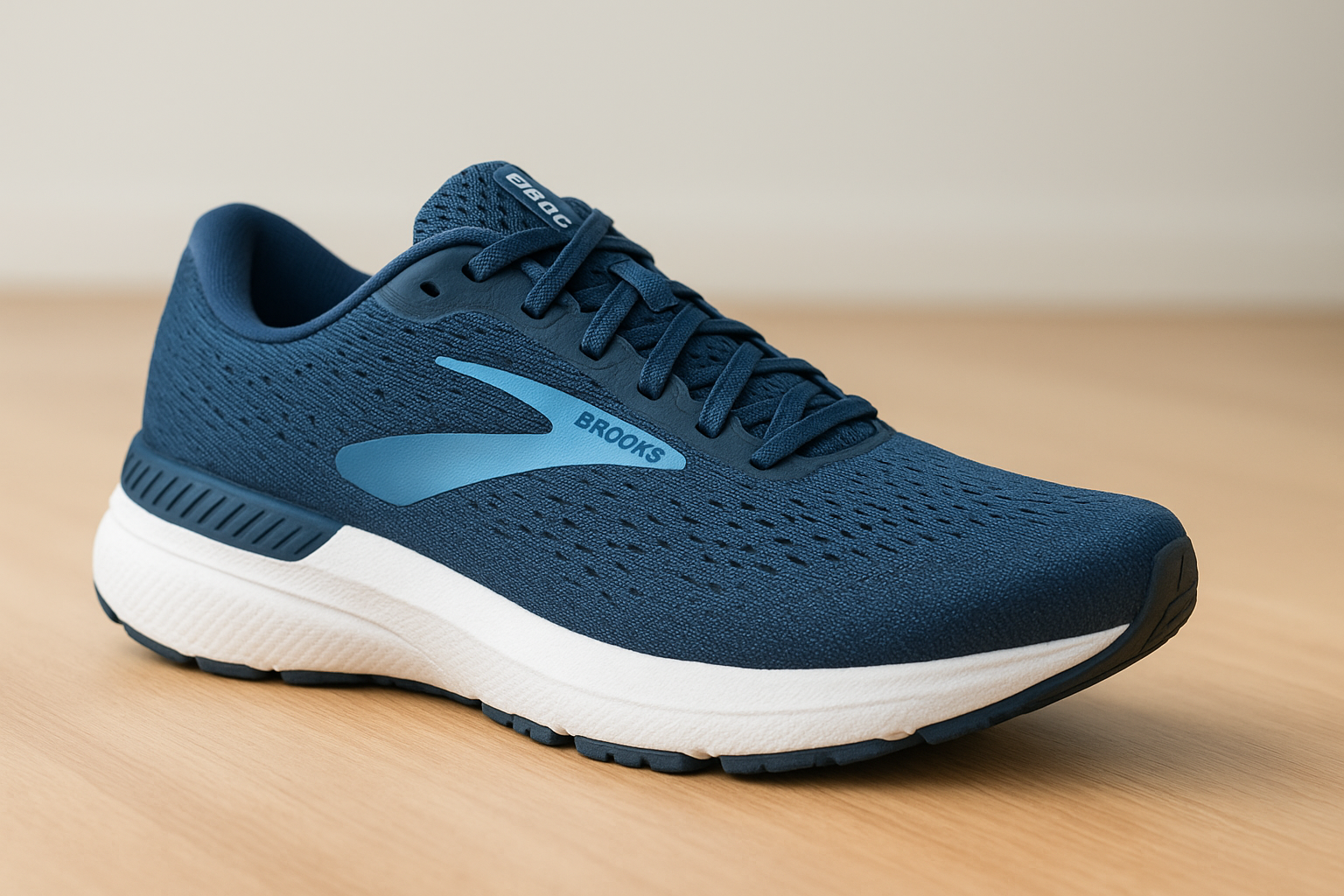
1. Brooks Adrenaline GTS 25 – best overall stability shoe
We recommend the Adrenaline GTS 25 more than any other stability shoe in our clinics, and it’s the shoe we reach for first when a patient asks for a straightforward, no-fuss option after a gait analysis. Brooks has refined this model for over two decades, and the GTS 25 keeps the GuideRails support system that made previous versions so reliable. Rather than a rigid medial post, GuideRails works by cushioning at the outer edges of the heel and forearm, gently guiding excess movement back into alignment without forcing your foot into an unnatural position. That distinction matters for overpronation control, because it corrects the movement rather than blocking it outright.
Key features
- GuideRails support system: cushioned bumpers on both sides of the heel and midfoot reduce excess inward and outward movement
- DNA LOFT v3 cushioning: soft underfoot feel without sacrificing structural support
- Engineered mesh upper: breathable and accommodating for slightly wider feet
- Segmented crash pad: smooths the transition from heel strike to toe-off
- Weight: approximately 255g (men’s size 9), 218g (women’s size 8)
- Heel-to-toe drop: 12mm
Who it suits
This shoe suits mild to moderate overpronators, particularly those clocking up regular kilometres on footpaths and roads around Sydney rather than trail runners needing extra grip. We see it work well for CBD-based patients doing lunchtime runs along the harbour, as well as parents juggling school pickups with a training block. If your arch collapses noticeably on standing but you don’t have a diagnosed structural issue like posterior tibial tendon dysfunction, this is usually enough shoe on its own.
A well-fitted stability shoe should correct your stride without you noticing it’s doing anything at all.
Runners transitioning from a neutral shoe often find the GTS 25 an easy adjustment, since the support feels subtle rather than corrective. It’s also a solid pick if you’re logging your first half marathon or marathon block and want a shoe that won’t hit its mileage limit halfway through training, given Brooks’ outsole rubber tends to hold up well past 600-700km.
Price in Australia
Expect to pay between $220 and $260 AUD from Australian retailers, with prices holding fairly steady across the year outside of Brooks’ seasonal sales in January and July. Buying directly through a podiatry clinic sometimes costs slightly more than a big-box sports store, but you’re paying for a fit check against your actual gait pattern rather than a guess off the shelf.
| Retailer type | Typical price (AUD) |
|---|---|
| Podiatry clinic (with fitting) | $240–$260 |
| Sports retail chain | $220–$250 |
| Brooks online store | $230–$260 |
Podiatrist’s tip
One mistake we see constantly is patients buying a half or full size too small because the GTS 25 runs slightly narrower through the midfoot than earlier Adrenaline models. Try it on with your usual running socks and check the fit properly, making sure you’ve got a thumb’s width of space at the toe box before you commit. If you’re still rolling inward noticeably even in this shoe, that’s usually a sign you need something firmer, like a motion control build, or a custom orthotic fitted alongside it. Book a proper gait analysis at our Sydney clinics before assuming the shoe alone will fix a more significant biomechanical issue; sometimes the shoe is only half the solution.
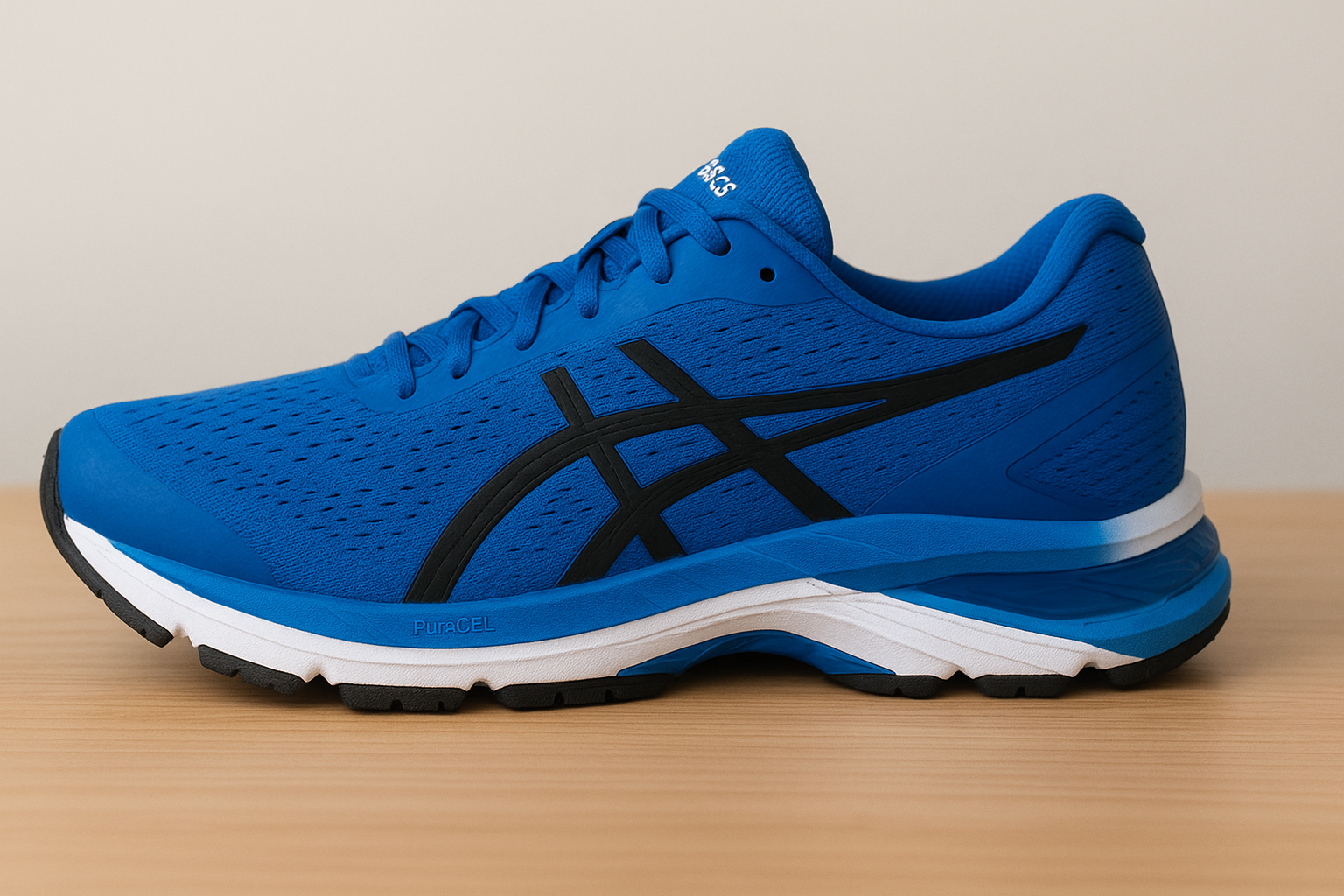
2. Asics Gel-Kayano 33 – best for maximum support
When a patient needs more correction than the Adrenaline GTS 25 can offer, the Gel-Kayano 33 is usually our next call. Asics rebuilt this shoe with a 4D Guidance System that reads your gait through the gait cycle and adjusts support at both the heel strike and toe-off phases, rather than relying on a single fixed medial post. For heavier runners or those with a more pronounced arch collapse, this maximum support shoe gives noticeably more correction than lighter stability models without feeling like you’re running in a brace.
Key features
- 4D Guidance System: dynamic support that responds through both heel strike and push-off, rather than a static medial post
- PureGEL technology in the heel for shock absorption on harder surfaces like Sydney’s concrete footpaths
- FF Blast Plus Eco midsole: firmer than Brooks’ DNA LOFT but still responsive over longer distances
- Wider, more structured heel counter than the Kayano 30 series
- Weight: approximately 310g (men’s size 9), 260g (women’s size 8)
- Heel-to-toe drop: 10mm
Who it suits
This shoe suits moderate to severe overpronators, particularly heavier-set runners or anyone who’s been told during a gait assessment that their arch drops significantly under load. We often recommend it to patients returning from a tibial or knee injury who need extra stability while they rebuild strength, and to older runners who want a dependable everyday trainer rather than something race-focused. It’s not the shoe for speed sessions, but for logging steady kilometres with confidence, it holds up well.
The more your foot rolls inward, the more structure you need underfoot, not just cushioning.
Price in Australia
| Retailer type | Typical price (AUD) |
|---|---|
| Podiatry clinic (with fitting) | $270–$300 |
| Sports retail chain | $250–$280 |
| Asics online store | $260–$290 |
Expect to pay between $250 and $300 AUD, making it one of the pricier options on this list. Asics tends to discount older Kayano models heavily once a new version launches, so if budget is a concern, ask your local retailer whether last season’s stock is still available.
Podiatrist’s tip
The Kayano 33 runs true to size for most patients, but if you have a genuinely wide forefoot, try the wide-fit version before sizing up, since going up a full size often leaves too much heel slip. We also see patients wearing this shoe as a substitute for proper treatment when their overpronation stems from a structural issue like a flexible flat foot, and it helps to understand how overpronation differs from flat feet; if you’re still getting arch or shin pain despite the extra support, it’s worth having your biomechanics properly assessed rather than assuming a firmer shoe will fix it alone.
3. Saucony Guide 19 – best for everyday training
Saucony redesigned the Guide line a few years back, and the Guide 19 has become our go-to recommendation for patients who want a dependable everyday training shoe without paying Kayano-level prices. It sits in the middle of the stability spectrum, firmer than the Adrenaline GTS 25 but less structured than the Kayano 33, which makes it a good fit for runners who need moderate correction but don’t want a shoe that feels heavy underfoot. The PWRRUN midsole gives a springy, responsive ride that patients often describe as more "lively" than competing stability shoes, and that responsiveness matters when you’re clocking daily kilometres rather than the odd weekend run.
Key features
- PWRRUN foam midsole: firm enough for stability work but with genuine energy return
- Medial TPU guidance frame that supports the arch without a rigid post
- Engineered mesh upper with reinforced overlays through the midfoot
- Wide, stable base for improved ground contact
- Weight: approximately 285g (men’s size 9), 240g (women’s size 8)
- Heel-to-toe drop: 8mm
Who it suits
Generally, this shoe suits mild to moderate overpronators who run four to six times a week and want one shoe that handles everything from tempo sessions to easy recovery kilometres. We see it work particularly well for patients training for their first 10km or half marathon, since the lower 8mm heel-to-toe offset encourages a slightly more midfoot-focused strike than the higher-drop Brooks or Asics options.
A shoe built for daily training needs to disappear underfoot, not remind you it’s there every step.
Price in Australia
| Retailer type | Typical price (AUD) |
|---|---|
| Podiatry clinic (with fitting) | $220–$250 |
| Sports retail chain | $200–$230 |
| Saucony online store | $210–$240 |
Expect to pay between $200 and $250 AUD, sitting comfortably below the Gel-Kayano 33 while offering similar durability across a training block.
Podiatrist’s tip
Saucony’s sizing runs slightly long compared to Brooks, so patients moving between the two brands often need to drop half a size to avoid excess room in the toe box. If you’re logging high weekly mileage and still noticing medial ankle soreness after a few weeks in the Guide 19, that’s a signal your overpronation may need firmer control than this shoe alone provides, and a quick check-in with your podiatrist can confirm whether custom orthotics for overpronation would help before you push through discomfort.
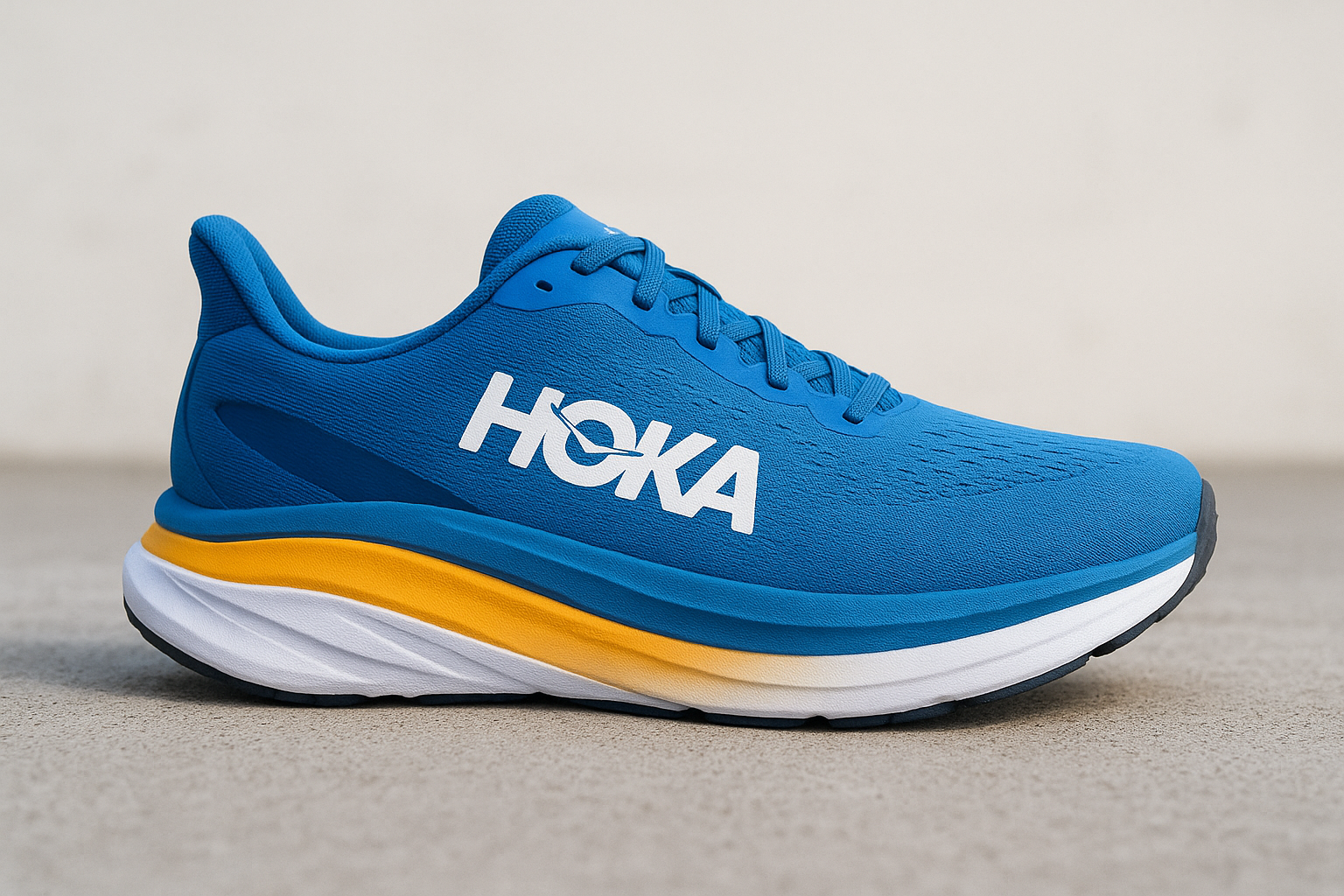
4. Hoka Arahi 8 – best lightweight stability shoe
Hoka built its reputation on maximalist cushioning, and the Arahi 8 brings that same oversized midsole to a stability shoe without the bulk you’d expect. J-Frame technology replaces the traditional medial post, using a firmer foam wrapped around the outer heel and inner arch to guide your foot rather than block it. For patients who’ve found the Brooks or Asics options too heavy underfoot, this is often the shoe we suggest next, especially if they’re after running shoes for overpronation that still feel quick on tempo days.
Key features
- J-Frame support: firmer foam positioned along the medial side and heel, replacing a bulky traditional post
- Early stage Meta-Rocker: encourages a smoother, more efficient toe-off
- Compression-moulded EVA midsole, lighter than most stability foams
- Breathable engineered mesh upper
- Weight: approximately 245g (men’s size 9), 205g (women’s size 8)
- Heel-to-toe drop: 5mm
Who it suits
Generally, this shoe suits mild to moderate overpronators who want stability without the weight penalty, particularly runners doing faster sessions alongside easy kilometres. We often recommend it to patients training for shorter races who still need a stability shoe on speed days, and to lighter-framed runners who found the Kayano or Adrenaline felt clunky underfoot. It’s also popular with Northern Beaches patients doing beach-adjacent footpath runs, where a lower-profile shoe suits the terrain better than a bulkier build.
Stability doesn’t have to mean heavy; the right structure can sit quietly in a lighter shoe.
Price in Australia
| Retailer type | Typical price (AUD) |
|---|---|
| Podiatry clinic (with fitting) | $250–$280 |
| Sports retail chain | $230–$260 |
| Hoka online store | $240–$270 |
Expect to pay between $230 and $280 AUD, sitting roughly in line with the Kayano 33 despite feeling considerably lighter on foot. Hoka’s pricing tends to stay firm year-round, with limited discounting outside of end-of-season clearance.
Podiatrist’s tip
Since the Arahi’s midsole is firmer than Hoka’s neutral shoes like the Clifton, patients expecting the brand’s signature plush ride are sometimes surprised by how structured it feels initially. Give it two or three runs before deciding it’s too firm, since the J-Frame support softens in perception once your gait adjusts. If you’re still feeling excess inward roll after that adjustment period, book a gait analysis so we can check whether a firmer motion control shoe, or an orthotic alongside this one, would serve you better.
5. On Cloudrunner 3 – best for new runners
On built its name on that distinctive CloudTec cushioning, and the Cloudrunner 3 brings a gentler form of stability to runners who are just starting out or returning after a long break. Speedboard technology sits within the midsole, adding a firmer layer that guides your foot through the gait cycle without the pronounced medial post you’d find in the Kayano or Hurricane. For patients newer to running who need support for overpronation but find heavier stability shoes intimidating or overbuilt, this is often the shoe we suggest first.
Key features
- Speedboard midsole insert: firmer internal layer that adds structure without a bulky external post
- Helion superfoam: soft, forgiving cushioning suited to lower weekly mileage
- Zero-gravity foam in the CloudTec pods for a smoother landing
- Wider forefoot platform than earlier Cloudrunner models
- Weight: approximately 275g (men’s size 9), 230g (women’s size 8)
- Heel-to-toe drop: 6mm
Who it suits
Runners taking their first steps into regular training, or those coming back after months off, tend to get on well with this shoe. We recommend it often to patients in their late thirties and forties starting a couch-to-5km programme, since mild overpronation rarely needs anything firmer at that stage. It also suits parents who run a few times a week around school hours and want a shoe that feels forgiving on tired legs rather than corrective in an obvious way.
New runners generally need gentle guidance underfoot, not maximum correction they haven’t earned yet.
Price in Australia
| Retailer type | Typical price (AUD) |
|---|---|
| Podiatry clinic (with fitting) | $220–$250 |
| Sports retail chain | $200–$230 |
| On online store | $210–$240 |
Expect to pay between $200 and $250 AUD, positioning it as a mid-range option that undercuts the Kayano and Hoka Arahi while still offering genuine stability features rather than a marketing label alone.
Podiatrist’s tip
Sizing on the Cloudrunner 3 runs slightly small through the toe box, so we suggest trying a half size up if you’ve got any width through the forefoot. Because this shoe offers only mild correction, patients with more noticeable arch collapse sometimes push through discomfort thinking they simply need to break the shoe in. If your ankles are still rolling inward after a few weeks, book a gait assessment with us before assuming a firmer shoe or a custom orthotic isn’t necessary.
6. Saucony Hurricane 25 – best for cushioned long runs
For patients logging long weekend runs and half marathon or marathon training blocks, the Hurricane 25 is the plushest stability shoe among our picks for long distance running. Saucony stacked this shoe with more PWRRUN+ foam than the Guide 19, giving it a noticeably softer landing while keeping the same medial guidance frame that stops your arch collapsing under load. Overpronators who find firmer motion control shoes jarring on tired legs after 15km or more tend to get on well with this build, since the extra cushioning absorbs impact without sacrificing the correction you need through the back half of a long run.
Key features
- PWRRUN+ midsole: significantly softer and more cushioned than the standard Guide 19 foam
- Medial TPU guidance frame carried over from the Guide line, offering moderate correction
- Full-length rubber outsole for durability over high mileage
- Wider heel base than previous Hurricane models for improved landing stability
- Weight: approximately 300g (men’s size 9), 255g (women’s size 8)
- Heel-to-toe drop: 8mm
Who it suits
Generally, this shoe suits mild to moderate overpronators training for longer distances, particularly those who’ve noticed fatigue-related form breakdown in the final kilometres of a long run. Heavier runners who want extra cushioning alongside stability also do well here, as do patients recovering from a stress reaction in the foot who need a softer surface underfoot while rebuilding volume. It’s less suited to speed work, since the plush ride slows turnover compared with the Guide 19 or Hoka Arahi.
Long runs punish tired form, so your shoe needs to keep correcting your gait even when your legs stop cooperating.
Price in Australia
| Retailer type | Typical price (AUD) |
|---|---|
| Podiatry clinic (with fitting) | $250–$280 |
| Sports retail chain | $230–$260 |
| Saucony online store | $240–$270 |
Expect to pay between $230 and $280 AUD, sitting above the Guide 19 but below the Gel-Kayano 33, which fits its position as a cushioned rather than maximum-support shoe.
Podiatrist’s tip
Because the Hurricane 25 runs slightly heavier than other shoes on this list, some patients notice increased calf fatigue if they’re not used to carrying extra weight on their feet over distance. Build up your long-run kilometres gradually in this shoe rather than switching straight from a lighter trainer. If you’re still feeling medial ankle strain on runs past the two-hour mark, it’s worth discussing a custom orthotic with your podiatrist, since cushioning alone won’t fully address structural arch collapse.
7. New Balance Fresh Foam X 860v14 – best value
New Balance has quietly built one of the most consistent stability lines on the market, and the 860v14 remains the shoe we recommend most often when a patient asks for running shoes for overpronation without wanting to spend Kayano-level money. It uses a dual-density medial post, a firmer wedge of foam built into the arch side of the midsole, rather than a guidance frame or J-Frame system, which gives a more traditional feel for runners who’ve worn stability shoes for years and don’t want to relearn how their feet sit in a shoe. For patients who’ve been in older 860 models and just want the updated version, this shoe changes little year to year, which is exactly the point.
Key features
- Dual-density medial post: firmer foam through the arch side for consistent, predictable correction
- Fresh Foam X midsole, balancing cushioning with underfoot support
- Ortholite Bloom sockliner, sourced from bio-based materials
- Reinforced heel counter for a locked-in rearfoot fit
- Weight: approximately 291g (men’s size 9), 246g (women’s size 8)
- Heel-to-toe drop: 8mm
Who it suits
Overpronators after budget stability shoes that don’t compromise on build quality tend to do well here, particularly patients running three to five times a week who don’t need the maximalist cushioning of the Hurricane 25 or the dynamic support of the Kayano 33. We often suggest it to patients returning to running after a break who want a dependable, no-surprises shoe, and to anyone replacing an older 860 model who wants continuity rather than a different ride entirely.
The best value shoe isn’t the cheapest option, it’s the one that gives you proper correction without paying for features you won’t use.
Price in Australia
| Retailer type | Typical price (AUD) |
|---|---|
| Podiatry clinic (with fitting) | $200–$230 |
| Sports retail chain | $180–$210 |
| New Balance online store | $190–$220 |
Expect to pay between $180 and $230 AUD, making it one of the most affordable genuine stability shoes on this list without cutting corners on the medial post or heel structure.
Podiatrist’s tip
Sizing on the 860v14 runs true for most patients, though the toe box sits slightly narrower than the Brooks Adrenaline, so if you’ve got a wider forefoot, try the 2E width before assuming you need a half size up. Patients with more significant arch collapse sometimes find the dual-density post alone isn’t enough correction over longer distances, so if you’re still noticing medial soreness after a training block, having a podiatrist assess your walking pattern will tell you whether a firmer motion control shoe or a custom orthotic makes more sense alongside it.
8. Adidas Supernova Solution 3 – best mild stability
Adidas takes a lighter-touch approach to stability with the Supernova Solution 3, and it’s the shoe we suggest when a patient’s overpronation is genuine but mild, and a firmer motion control build would honestly be overkill. Rather than a dedicated medial post or guidance frame, this shoe uses a wider platform and a slightly firmer strip of foam through the arch to nudge your foot back into line. It’s a subtler version of overpronation control than most shoes on this list, which suits runners who don’t want to feel like their shoe is doing heavy lifting with every stride.
Key features
- Dow olefin block copolymer midsole: firmer through the arch without feeling rigid underfoot
- Wider forefoot and heel platform for a naturally more stable base
- Continental rubber outsole, shared with Adidas’ racing line, for reliable grip on wet footpaths
- Engineered mesh upper with a snug, sock-like heel fit
- Weight: approximately 260g (men’s size 9), 220g (women’s size 8)
- Heel-to-toe drop: 8mm
Who it suits
Because the correction here is mild, this shoe suits mild overpronators whose arch drops slightly on standing but who don’t have a diagnosed structural issue. We recommend it to patients who’ve been told during a gait assessment that they only need light guidance, and to runners moving down from a firmer stability shoe as their strength and control improve through exercises that support the arches. It also works well for patients doing shorter, faster sessions who found heavier stability builds slowed them down.
Mild overpronation deserves mild correction, not a shoe built for a problem you don’t actually have.
Price in Australia
| Retailer type | Typical price (AUD) |
|---|---|
| Podiatry clinic (with fitting) | $210–$240 |
| Sports retail chain | $190–$220 |
| Adidas online store | $200–$230 |
Expect to pay between $190 and $240 AUD, positioning it as one of the more affordable stability options alongside the New Balance 860v14, though with noticeably less structural correction built in.
Podiatrist’s tip
Given how mild the support is here, patients with more than a slight arch collapse often mistake this shoe for a neutral trainer and end up disappointed when their symptoms don’t improve. If you’ve been diagnosed with moderate to severe overpronation, this isn’t the shoe to start with, no matter how appealing the fit feels in-store. We’d rather you book a gait analysis first, confirm the actual severity of your pronation, and choose from firmer options on this list if that’s what your feet need.
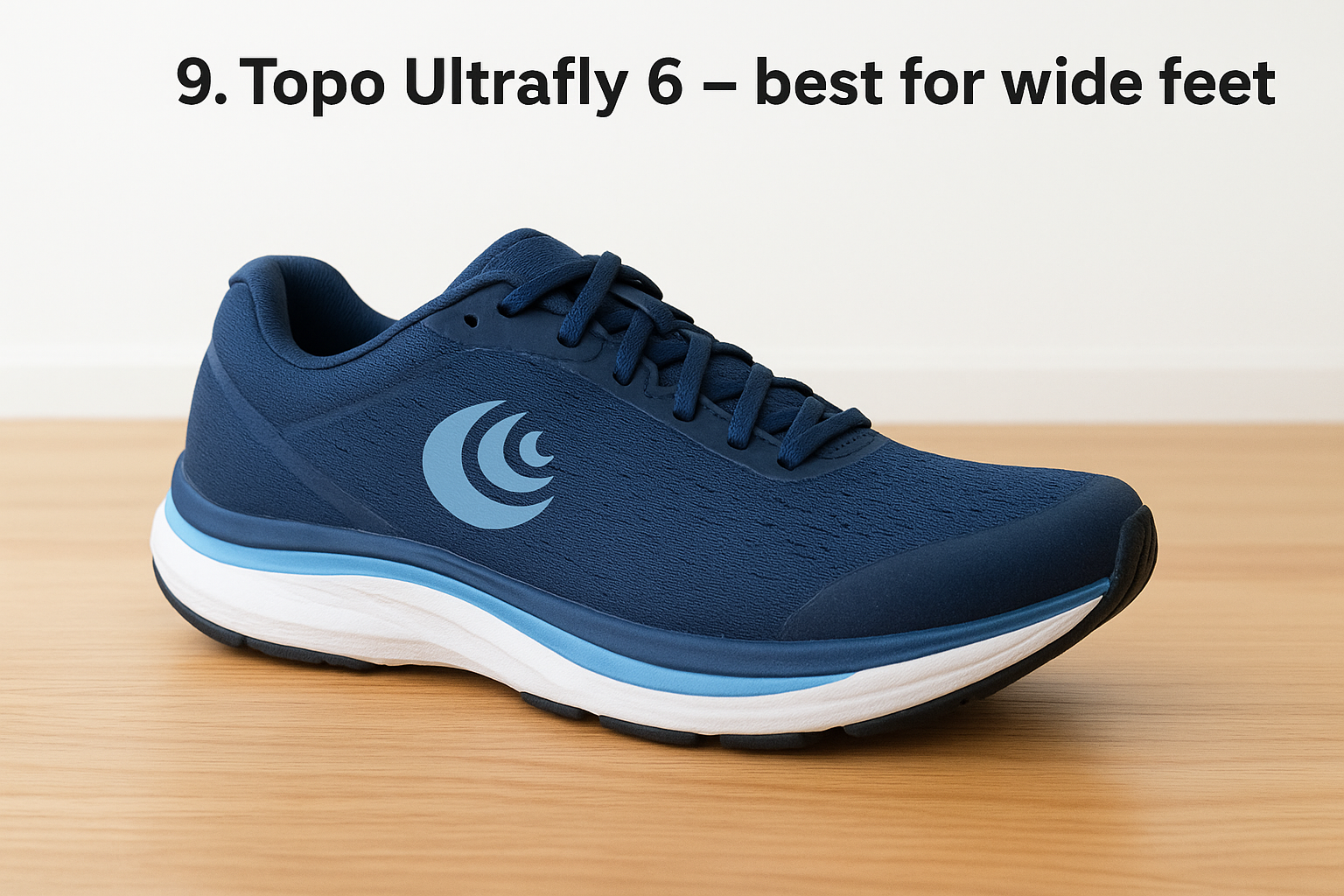
9. Topo Ultrafly 6 – best for wide feet
Wide feet and overpronation together make shoe shopping genuinely frustrating, since most stability shoes narrow through the forefoot just where a wide foot needs room, which is why we keep a separate list of wide-fit running shoes available in Australia. Topo built the Ultrafly 6 with a naturally wide toe box as its defining feature, giving your toes space to spread on landing rather than compressing them into a tapered shape. We reach for this shoe specifically for patients who’ve told us every other stability shoe on this list left them with numb toes or blistering along the fifth metatarsal, and it’s become our default recommendation for wide-fit overpronators who’ve given up finding a shoe that fits properly.
Key features
- Anatomical wide toe box: roomier through the forefoot than any other shoe on this list, without excess volume through the midfoot
- Moderate medial density foam through the arch, offering gentle to moderate correction
- Zipfoam midsole, lightweight and reasonably responsive for a stability build
- Rockered outsole for a smoother, more natural transition through toe-off
- Weight: approximately 275g (men’s size 9), 230g (women’s size 8)
- Heel-to-toe drop: 5mm
Who it suits
Runners with a genuinely wide forefoot, whether from foot shape, bunions, or swelling later in long runs, tend to find relief here that other stability shoes can’t offer. Generally, this shoe suits mild to moderate overpronators who need width more than they need heavy correction, and we often suggest it to patients who’ve had bunion surgery or who manage ongoing forefoot pain alongside their pronation. It’s less suited to runners needing maximum motion control, since the correction is noticeably lighter than the Kayano 33 or Hurricane 25.
A shoe that fits your foot’s actual shape corrects your gait better than one that just squeezes it into place.
Price in Australia
| Retailer type | Typical price (AUD) |
|---|---|
| Podiatry clinic (with fitting) | $230–$260 |
| Sports retail chain | $210–$240 |
| Topo online store | $220–$250 |
Expect to pay between $210 and $260 AUD, sitting in similar territory to the Hoka Arahi 8, though you’re paying for width and comfort here rather than the strongest correction on this list.
Podiatrist’s tip
Because Topo’s width comes from the forefoot rather than the heel, some patients with narrow heels notice slight slippage until the shoe breaks in properly. Lace it firmly through the midfoot eyelets to lock the heel down without compressing the forefoot. If your overpronation is more than mild and you need both width and firm correction, book a gait assessment with us, since a custom orthotic built for your actual foot shape, paired with a shoe that takes an orthotic properly, often works better than relying on shoe width alone.
Finding the right fit for your feet
No shoe on this list works for every overpronator, and that’s the point. Running shoes for overpronation need to match how much your arch actually collapses, not just what’s trending or what a shop assistant hands you off the shelf. Mild pronators do well in something like the Adidas Supernova Solution 3 or On Cloudrunner 3, while more significant collapse needs the firmer build of a Kayano 33 or a proper motion control shoe. Shoes alone won’t fix everything either. If you’re still getting medial pain, shin soreness, or arch fatigue despite wearing the right shoe, that’s your foot telling you it needs more support than footwear provides.
We’ve fitted thousands of Sydney runners across our five clinics, and the pattern holds every time: guesswork costs more than a proper assessment. Book a gait analysis at one of our five Sydney clinics and we’ll match your feet to the right shoe, and tell you honestly if you need a custom orthotic alongside it.