

Why Do Bunions Develop?
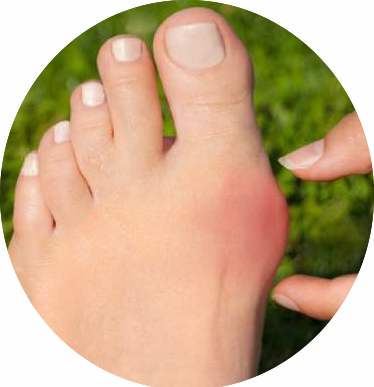
Many people across Australia suffer from bunions yet don’t fully understand why they developed — or recognise the early warning signs. Without addressing the root causes, harmful habits can continue and the bunion can progress significantly. Understanding what causes a bunion is the first step to prevention and effective management.
Footwear: The Most Common Bunion Cause in Women
Women are disproportionately affected by bunions. Narrow, tight, pointed shoes force the big toe towards the smaller toes, increasing pressure on the metatarsophalangeal joint and weakening intrinsic foot muscles. High heels compound the problem by pushing the foot forward, concentrating pressure on the toes and forefoot.
That’s why our podiatrists always recommend shoes with proper arch support and a wide toe box. If heels are unavoidable — for work or social occasions — choose styles with ankle support and a front platform to reduce forefoot load. Give your feet regular breaks with flat, comfortable footwear.
Poor Foot Function and Biomechanics
Poor foot function places abnormal stress around the big toe joint, which can accelerate bunion development. Weak intrinsic foot muscles and genetic bony alignment are both contributing factors. Fortunately, both can be addressed — through targeted foot strengthening exercises and custom orthotics. Our Sydney podiatrists at clinics in Mosman, Dee Why, and Rose Bay regularly fit patients with custom orthotics to correct biomechanical problems before they worsen.
Arthritis and Other Medical Conditions
Arthritis — including rheumatoid, psoriatic, osteoarthritis, and gout — significantly increases the risk of bunion development. Inflammatory arthritis in particular can alter joint structure, making hallux valgus deformity more likely. If you have any of these conditions and notice changes at your big toe joint, early intervention from a podiatrist is essential.
Genetics and Foot Shape
Some people are simply more predisposed to bunions due to the shape and structure of their feet. If bunions run in your family, a podiatrist can assess your risk and advise on preventive measures. A genetic predisposition doesn’t mean bunions are inevitable — with the right footwear and foot care, you can significantly reduce your risk.
If you understand what causes bunions, it’s much easier to take steps to prevent or slow their progression. Appropriate shoes, custom orthotics, and strengthening exercises all contribute to healthier feet.
Frequently Asked Questions
What is the main cause of bunions?
The most common causes are ill-fitting footwear (especially narrow, pointed shoes), poor foot biomechanics, genetics, and inflammatory arthritis. Often it is a combination of factors rather than a single cause.
Can you prevent a bunion from forming?
You can reduce your risk significantly by wearing well-fitted shoes with a wide toe box, strengthening your foot muscles, and using orthotics if your biomechanics are poor. If bunions run in your family, early assessment by a Sydney podiatrist is recommended.
Do high heels always cause bunions?
High heels increase the risk, particularly when worn frequently over many years. They shift weight onto the forefoot and can alter toe alignment. However, bunions can also develop in people who rarely wear heels, particularly if there is a genetic predisposition.
Can men get bunions?
Yes, although bunions are more common in women, men can develop them too — particularly those with a genetic predisposition, arthritis, or occupational footwear that restricts the toes.
Will my bunion get worse if I ignore it?
Yes, untreated bunions generally worsen over time. Without addressing the underlying causes (footwear, biomechanics), the deformity typically progresses, causing increasing pain and disability. Early treatment delivers far better outcomes.
How do custom orthotics help with bunions?
Custom orthotics correct the underlying biomechanical problems that contribute to bunion formation. By controlling pronation and redistributing pressure, they slow progression and reduce pain. Our podiatrists across Sydney can assess whether orthotics are appropriate for you.
When should I see a podiatrist about a bunion?
See a podiatrist as soon as you notice a developing bony lump, experience pain, or have difficulty with footwear. Our Sydney clinics in Dee Why, Mosman, Rose Bay, North Ryde, and the CBD (Hunter Street) offer professional bunion assessments with same-week appointments available.
Get Expert Bunion Treatment in Sydney
If you’re concerned about what’s causing your bunion or want to stop it from progressing, our expert podiatrists at ModPod Podiatry are here to help. We offer comprehensive bunion treatment across Sydney. Book online today or call (02) 9960 3981 to make an appointment at your nearest clinic.