
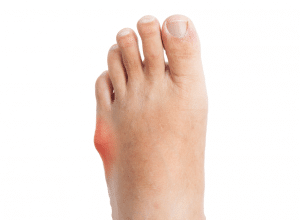
 Most bunions affect the big toe. But tailor’s bunions — also known as bunionettes — affect the fifth metatarsal bone at the little toe, creating a bony protrusion on the outer edge of the foot. Aside from location, they share many characteristics with regular bunions. At ModPod Podiatry, our Sydney podiatrists treat tailor’s bunions across our clinics in Dee Why, Mosman, Rose Bay, North Ryde, and the CBD, helping patients regain comfortable mobility.
What Causes a Tailor’s Bunion?
A tailor’s bunion (bunionette) develops when the fifth metatarsophalangeal joint angles outward while the tip of the little toe is pushed inward. The name comes from the historical practice of tailors sitting cross-legged for long hours, with the outer edge of their feet rubbing against the ground — a position thought to promote this condition. The bony protrusion that develops tends to become red, swollen, and painful.
Contributing Factors
Several factors can contribute to a tailor’s bunion developing:
- Congenital defects in foot structure or mechanical alignment
- Narrow, tight-fitting shoes that compress the little toe
- A bony spur forming on the side of the fifth metatarsal bone
- Hereditary foot shape and biomechanics
The deformity develops over time but can quickly become painful, making it difficult to fit into standard shoes. Many people in Sydney who seek podiatry care for a tailor’s bunion mention that they first noticed difficulty finding comfortable footwear, followed by increasing pain and redness at the little toe joint.
Tailor’s Bunion Treatment Options in Sydney
The treatment strategies for a tailor’s bunion are similar to those used for regular bunions. Non-surgical treatments aim to relieve symptoms and halt progression:
- Wearing appropriate wide-fitting footwear with a generous toe box
- Bunion pads and cushioning to reduce friction and pressure
- Over-the-counter or custom orthotics to correct foot mechanics
- Ice and NSAIDs to manage pain and swelling
Surgical treatment is generally reserved for severe cases where conservative methods have not provided adequate relief, or where the deformity significantly impairs function and daily activity. Surgery is also the best option for those who wish to permanently eliminate the structural deformity caused by the tailor’s bunion.
If you’re experiencing symptoms of a tailor’s bunion, see your podiatrist before attempting any treatment. Our Sydney podiatrists can determine the best course of action to manage your symptoms and prevent the condition from worsening.
Frequently Asked Questions
What is a tailor’s bunion (bunionette)?
A tailor’s bunion, or bunionette, is a bony protrusion that develops at the fifth metatarsophalangeal joint — on the outer side of the foot at the little toe. It is structurally similar to a regular bunion but affects the opposite side of the foot.
How is a tailor’s bunion different from a regular bunion?
A regular bunion (hallux valgus) affects the big toe joint on the inner side of the foot. A tailor’s bunion affects the little toe joint on the outer side of the foot. Both are painful bony deformities caused by joint misalignment, but they require slightly different treatment approaches.
What does a tailor’s bunion feel like?
Common symptoms include a visible bony bump on the outer edge of the foot at the little toe, redness and swelling around the joint, pain when wearing shoes, and difficulty finding footwear that fits comfortably. The area may also feel warm to the touch when inflamed.
Can a tailor’s bunion be treated without surgery?
Yes — many tailor’s bunions are managed effectively with non-surgical treatments including wide-fitting footwear, orthotics, padding, and anti-inflammatory medications. Surgery is generally only recommended when conservative measures fail or the deformity is severe.
Will wearing wider shoes help a tailor’s bunion?
Yes, switching to wider shoes with a generous toe box can significantly reduce pressure on the bunionette and relieve pain. Our Sydney podiatrists at Dee Why, Mosman, and Rose Bay can advise on appropriate footwear choices for your specific foot shape.
Do custom orthotics help tailor’s bunions?
Custom orthotics can help by correcting underlying biomechanical problems that contribute to the deformity. They redistribute pressure across the foot, reducing load on the fifth metatarsal joint and slowing the progression of the bunionette.
How do I know if I need surgery for a tailor’s bunion?
Surgery may be recommended if you have severe pain that doesn’t respond to conservative treatments, significant difficulty walking, or are seeking permanent correction of the deformity. Your Sydney podiatrist will thoroughly assess your situation and discuss all available options before any surgical referral.
Book a Tailor’s Bunion Assessment in Sydney
If you’re experiencing pain or discomfort at the outside of your little toe, our expert podiatrists at ModPod Podiatry can help. With clinics across Sydney — including Dee Why, Mosman, Rose Bay, North Ryde, and the CBD on Hunter Street — expert, personalised care is close by. Book online today or call us on (02) 9960 3981.