
That sudden, vice-like grip in your toes can stop you mid-stride, whether you’re asleep, walking on the sand, or halfway through a run along the harbour. If you’re searching for how to stop toe cramps, you’re probably dealing with a cramp that keeps returning and want relief that actually lasts, not just a quick stretch that helps for an hour. Understanding why toe cramps happen and how to prevent them is the first step to making them stop for good.
Toe cramps usually come down to a handful of causes: muscle fatigue, dehydration, tight footwear, nerve irritation, or an underlying biomechanical issue in how your foot moves. The good news is that most cases respond well to simple, targeted action at home, though persistent or worsening cramps often signal something a podiatrist should assess.
In this guide, we’ve pulled together five practical, podiatrist-backed tips you can use tonight if a cramp strikes, plus longer-term strategies to stop them recurring. Our team at ModPod Podiatry sees this complaint often across our Sydney clinics, and we know which fixes genuinely work and which ones just mask the problem. Let’s get your toes moving freely again.
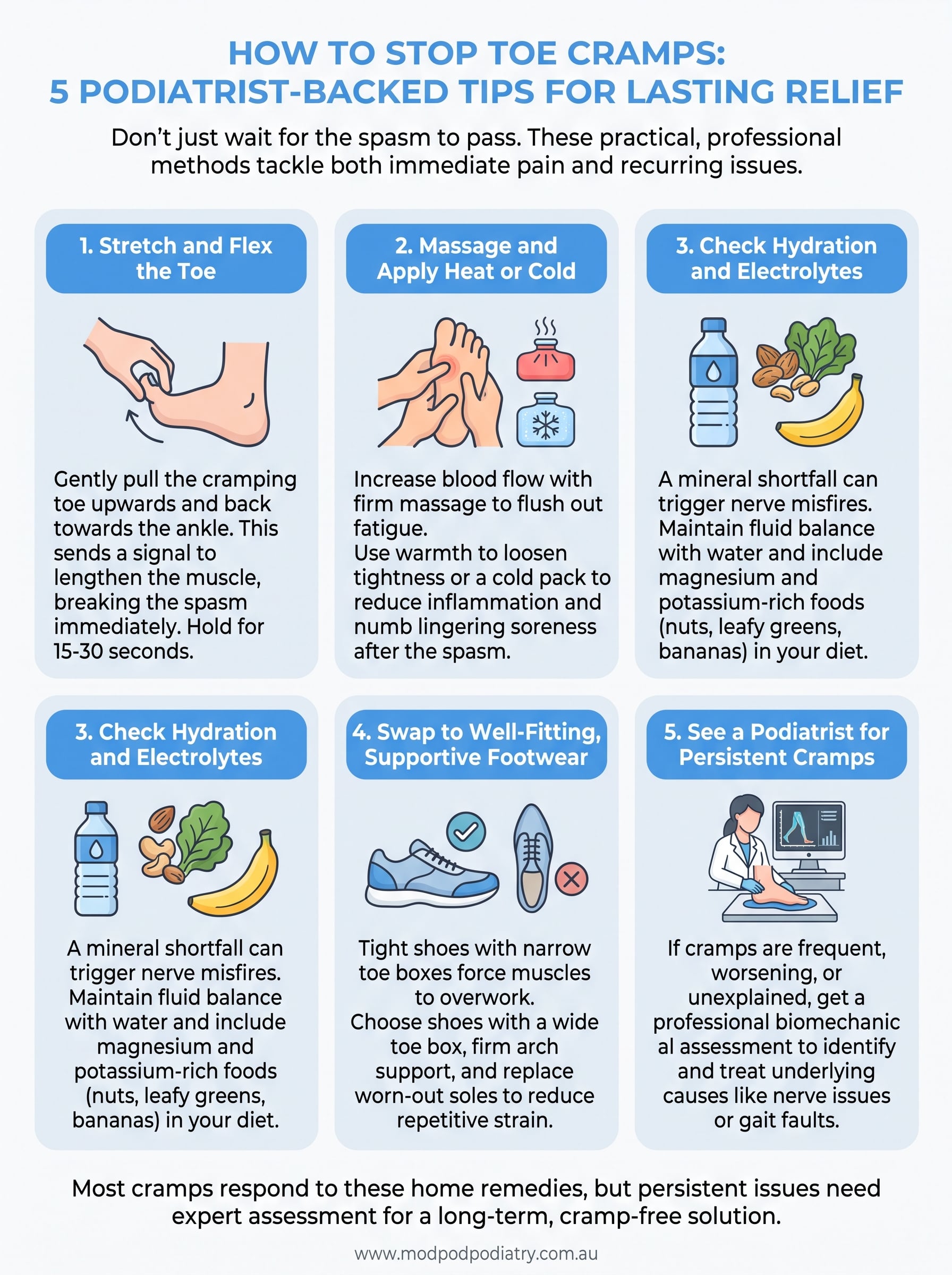
1. Stretch and flex the affected toe
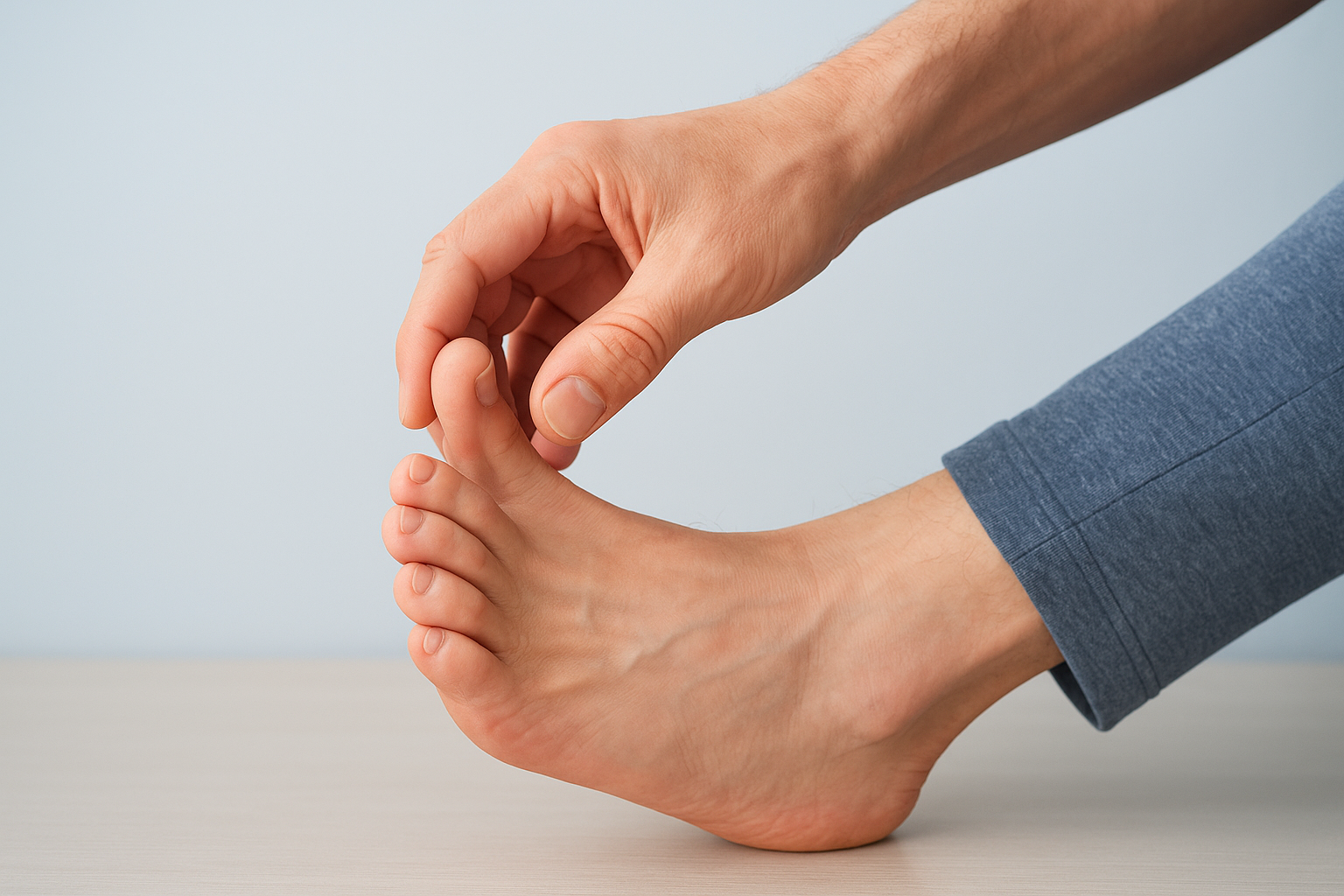
When a toe cramp hits, your first move should be to stretch it out rather than tense against it. Gently pulling the toe into extension overrides the muscle spasm and is usually the fastest way to get immediate toe cramp relief, whether you’re in bed at 2am or pulled up on a running track.
Why it helps
A cramp happens when a muscle or tendon in your foot contracts involuntarily and won’t release. Stretching the toe in the opposite direction to the cramp sends a signal through the nervous system that tells the muscle to lengthen again. This is why grabbing your toes and pulling them back towards your shin works better than just waiting for the spasm to pass on its own.
Stretching against the cramp, not away from it, is what actually breaks the spasm.
How to do it
Follow these steps as soon as you feel the cramp start:
- Sit down or find something stable to hold onto.
- Reach down and grip the cramping toe (or toes) with your fingers.
- Gently pull the toe upward and back towards your ankle, holding for 15 to 30 seconds.
- Release slowly, then repeat two or three times until the spasm fully eases.
- Once it’s settled, stand up and walk on flat ground for a minute to reset the muscle.
This simple stretching technique works for cramps in the big toe as well as the smaller toes, and it sits nicely alongside other foot stretches and strengthening moves you can do at home, even through a sock or shoe while you find somewhere to sit.
Extra tips
If cramps tend to strike at night, build a short toe and calf stretching routine into your evening habits, since tight calf muscles often contribute to cramping further down the foot and are a common reason for leg and foot pain at night. Towel stretches, where you loop a hand towel around the ball of your foot and gently pull it towards you while seated, are a good low-impact addition. Doing this for a few minutes before bed, three or four nights a week, can meaningfully reduce how often nighttime cramps wake you up in the first place.
2. Massage and apply heat or cold
Once the initial spasm has eased, massage and temperature therapy help settle the muscle and stop it seizing up again straight away. This combination is a reliable way to get fast toe cramp relief when stretching alone hasn’t fully done the job, particularly for cramps that keep flickering back within the same hour.
Why it helps
Massaging the toe and forefoot increases blood flow to the area, which flushes out the by-products of muscle fatigue and helps the fibres relax, one of the many ways a foot massage boosts your health. Heat further relaxes tight muscles and tendons, while cold reduces inflammation and numbs the discomfort if the area feels swollen or tender afterwards. Choosing between the two depends on how your foot feels: heat before activity, cold after a stubborn cramp.
Warmth loosens a tight muscle; cold calms one that’s already inflamed.
How to do it
Work through these steps once the sharp spasm has passed:
- Use your thumbs to firmly massage the ball of the foot and along each toe.
- Apply a warm compress or soak the foot in warm water for five to ten minutes if the muscle still feels tight.
- Switch to a cold pack wrapped in a towel for ten minutes if there’s swelling or lingering soreness.
Extra tips
Keep a small foot roller or golf ball nearby and roll it under your foot each evening. This ongoing muscle relaxation habit keeps circulation steady and makes sudden cramps less likely to catch you off guard.
3. Check your hydration and electrolyte levels
Many toe cramps, like cramps elsewhere in the feet, trace back to what’s happening inside the muscle cell rather than anything mechanical in your foot. If you’re constantly asking how to stop toe cramps and the stretching only buys you a short reprieve, your fluid and mineral balance is worth a hard look before you try anything else.
Why it helps
Muscles rely on a steady balance of sodium, potassium, calcium and magnesium to contract and release properly. When you’re dehydrated or running low on these electrolytes, nerve signals to the muscle misfire, and the toe muscles are small enough that they’re often the first to seize. Hot Sydney days, long runs, alcohol, and even certain blood pressure medications can all tip this balance.
A cramping toe is often your body flagging a mineral shortfall, not just tired muscles.
How to do it
A few practical changes usually make a noticeable difference within a week or two:
- Aim for around two litres of water daily, more on hot days or after exercise
- Add magnesium-rich foods like nuts, leafy greens and wholegrains to your meals
- Include potassium sources such as bananas, potatoes and yoghurt
- Consider an electrolyte drink after heavy sweating or intense training
Extra tips
Check with your GP before starting supplements, particularly magnesium, if you take regular medication, since interactions can occur. According to the Australian Government’s Eat for Health guidelines, most people can meet mineral needs through diet alone without extra supplementation.
4. Swap to well-fitting, supportive footwear
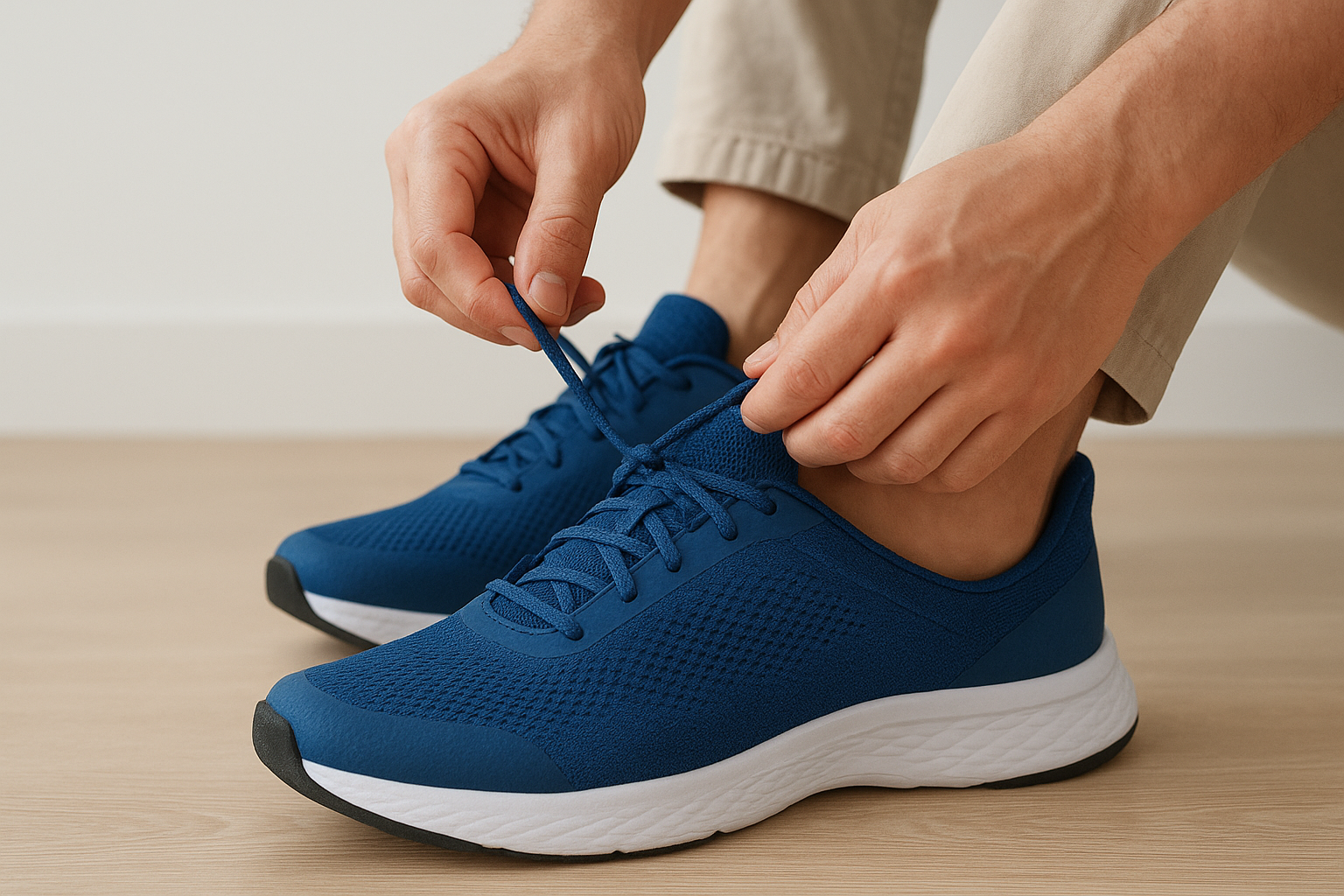
Footwear that’s too tight, too narrow, or worn out is a common trigger for recurring toe cramps, especially if you spend hours standing or walking each day. Swapping to shoes that actually match the shape of your foot is one of the simplest ways to stop toe cramps caused by pressure, and getting the shoe fit right pays off within days rather than weeks.
Why it helps
Shoes with a narrow toe box squeeze the toes together and restrict blood flow, forcing the small muscles to work harder just to hold their position. Worn-out soles or unsupportive footwear also change how your foot strikes the ground, throwing extra strain onto the toe flexors. Over time, this repetitive strain makes cramping far more likely, particularly during exercise or by the end of a long shift on your feet.
Shoes that crowd your toes force those small muscles to overwork with every step.
How to do it
When checking your current footwear, look for:
- A toe box wide enough to wiggle all your toes freely
- Firm arch support that doesn’t collapse under pressure
- Soles replaced every 500 to 800km if you run or walk regularly
- A snug but not tight fit through the heel and midfoot
Extra tips
If standard shoes still leave your toes aching, a biomechanical assessment and orthotics made to your foot shape can correct the underlying pressure distribution that off-the-shelf inserts miss.
5. See a podiatrist for persistent or unexplained cramps
When home remedies only take the edge off and the cramps keep returning week after week, it’s time to get a professional opinion. Recurring or unexplained toe cramps can point to nerve compression, poor circulation, or a biomechanical fault that no amount of stretching will fix on its own.
Why it helps
A podiatrist can pinpoint exactly what’s driving the spasm rather than leaving you guessing. What a gait analysis podiatrist looks for and pressure plate testing show whether your foot mechanics are overloading specific toe muscles, while a clinical exam can rule out nerve entrapment or vascular issues that mimic ordinary cramping.
Persistent cramps aren’t stubborn muscles, they’re your foot asking for a proper diagnosis.
How to do it
Book a consultation if cramps happen most nights, worsen despite home care, or come with numbness, colour changes, or swelling. Our podiatrists use gait analysis and biomechanical assessment to find the root cause and build a treatment plan around it, whether that’s custom orthotics, targeted stretches, or footwear changes.
Extra tips
Bring a note of when the cramps happen, how long they last, and any triggers you’ve noticed, such as long runs or new shoes. This detail speeds up diagnosis and helps your podiatrist rule out underlying nerve or circulation problems faster than starting from scratch.
Getting back on your feet, cramp-free
Most toe cramps ease off once you stretch the toe properly, stay on top of hydration, and swap out footwear that’s crowding your feet. These five steps cover the vast majority of cases we see across our Sydney clinics, and combining them gives you both quick relief tonight and fewer cramps down the track. If you’ve worked through this list and the cramping still won’t budge, that’s your cue to stop guessing.
Recurring or unexplained cramps usually point to something mechanical or neurological that home remedies can’t fix alone, and a proper gait assessment often uncovers the real trigger within one visit. There’s no need to keep pulling on your toes every night hoping it settles for good. Our podiatrists see this exact complaint constantly, and we know how to get to the bottom of it quickly. If your toes are still cramping despite trying everything here, book a toe cramp assessment at one of our Sydney clinics and let’s sort it properly.