

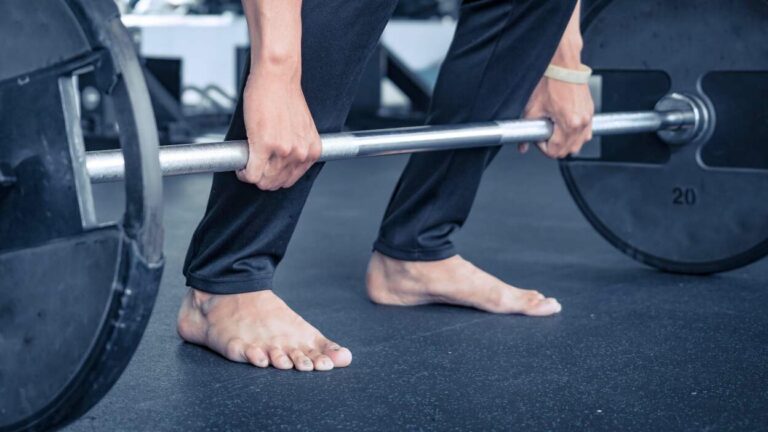
In recent years, the trend of barefoot weightlifting has captured the attention of fitness enthusiasts. Many people believe that lifting weights without shoes can enhance their connection to the ground, improve balance, and ultimately lead to better performance. While the allure of going shoeless during your workouts is understandable, it’s essential to delve deeper into the potential risks and drawbacks that come with this practice. In this article, we will explore the dangers of barefoot weightlifting and why proper footwear is critical for achieving your fitness goals safely.
The Importance of Footwear
When engaging in weightlifting, your feet bear the brunt of the pressure and impact involved in lifting heavy loads. Shoes designed specifically for weightlifting are constructed to provide essential support and stability, which are critical for preventing injuries. The arches of your feet need adequate support to maintain proper alignment during lifts, and the right shoes can help prevent strain on your ankles and feet. Learn more
Arch and Ankle Support
One of the primary roles of weightlifting shoes is to provide arch and ankle support. When lifting heavy weights, the last thing you want is to compromise your stability. A shoe with a sturdy sole and proper arch support can help you maintain your balance, especially during complex movements like squats and deadlifts. Without this support, you are at a higher risk of rolling your ankle, which can lead to painful sprains or even fractures. Learn more about weight lifting orthotics
The Risk of Injury
Engaging in weightlifting barefoot may expose you to various injuries that could have been prevented with the proper footwear. The gym environment can be hazardous; heavy weights, equipment, and even other gym-goers can create an unsafe space.
Dropped Weights and Equipment Hazards
Accidents happen, and one of the most common risks when lifting weights is the chance of dropping a weight. Without shoes, your feet are fully exposed, leaving them vulnerable to injury. A dropped dumbbell or barbell can result in serious consequences, such as fractures, bruising, or lacerations. Protective footwear serves as a barrier between your feet and potential hazards, ensuring that your training experience remains as safe as possible.
Soft Tissue Injuries
In addition to the risk of fractures, lifting weights barefoot can also lead to soft tissue injuries. The lack of cushioning that shoes provide means that your feet absorb more shock and stress during lifts. This increased pressure can lead to conditions such as plantar fasciitis, Achilles tendinitis, or other overuse injuries. When your feet are not properly supported, they can become fatigued more quickly, compromising your overall performance and increasing the likelihood of injury.
Compromised Foot Mechanics
Barefoot lifting can also alter your foot mechanics, which may lead to discomfort and pain. Proper footwear is designed to support your foot’s natural structure and movement patterns. When you lift barefoot, your feet may compensate in ways that can disrupt your biomechanics.
Changes in Gait and Movement Patterns
When lifting without shoes, your foot is left to handle all the impact without the assistance of cushioning and support. This can result in altered gait and movement patterns, placing additional strain on your joints and muscles. For instance, if you lack arch support, you may find yourself overpronating—an inward rolling of the foot—leading to pain in the knees, hips, and lower back.
Long-Term Consequences
Over time, these changes in mechanics can lead to chronic pain and conditions that may derail your fitness journey. Many individuals find themselves sidelined by injuries that could have been avoided with proper footwear. Investing in quality weightlifting shoes can help maintain your foot health and keep you performing at your best.
Balance and Stability Challenges
A solid foundation is essential for effective weightlifting. Shoes with a firm and stable sole can enhance balance and stability, which are crucial for executing lifts correctly. Without the added support of shoes, you may struggle to maintain your form during lifts, which can impact not only your performance but also your safety.
The Role of Shoes in Enhancing Performance
Shoes designed for weightlifting provide a non-compressible surface that helps you push against the ground with greater force. This enhances your ability to generate power during lifts, allowing you to maximize your performance. When lifting barefoot, you may find it challenging to achieve the same level of force production, potentially hindering your progress.
Mental Focus and Confidence
Another important aspect of weightlifting is the mental component. Having the right equipment can significantly affect your confidence and focus during training. When you wear shoes designed for weightlifting, you are more likely to feel secure and stable, allowing you to concentrate fully on your lifts. This mental clarity can translate into improved performance and greater gains over time.
Conclusion
While the idea of barefoot weightlifting may seem appealing to some, the potential dangers and risks cannot be overlooked. The importance of proper footwear in weightlifting cannot be stressed enough. Investing in a good pair of weightlifting shoes can provide essential support, enhance your performance, and protect you from injury. Customised weightlifting orthotics will also take your performance to the next level, with reduced fatigue in an optimised position.
As you embark on your weightlifting journey, prioritise your health and gains by ensuring you have the right support during your workouts. The benefits of wearing appropriate footwear extend far beyond comfort; they play a vital role in your overall success in the gym. Remember, your feet are the foundation of your training—take care of them, and they will help you achieve your fitness goals. Your feet will thank you!
At ModPod Podiatry, our sports podiatrists work with weightlifters and gym athletes across Sydney — with clinics in Dee Why, Mosman, Rose Bay, North Ryde, and CBD — to optimise foot mechanics and prevent training injuries. The right foot support is a smart investment in your long-term performance.
Frequently Asked Questions
Is barefoot weightlifting dangerous?
Barefoot weightlifting carries significant risks including dropped weight injuries, soft tissue damage, altered foot mechanics, and overuse injuries like plantar fasciitis. Proper weightlifting footwear is strongly recommended to protect your feet and optimise performance.
What are the best shoes for weightlifting?
The best weightlifting shoes feature a firm, non-compressible sole, adequate ankle support, and a slight heel elevation for improved squat depth. For personalised advice on footwear and custom orthotics, consult a sports podiatrist at ModPod Podiatry in Sydney.
Can custom orthotics improve my weightlifting performance?
Yes — custom weightlifting orthotics can correct foot alignment, reduce fatigue, and improve force transfer during lifts. Many Sydney lifters use custom orthotics from our ModPod Podiatry clinics to train harder while protecting against injury.
What foot injuries are common in weightlifters?
Common injuries include plantar fasciitis, Achilles tendinopathy, stress fractures, ankle sprains, and metatarsal pain. Many can be prevented with appropriate footwear and regular podiatry assessments. ModPod Podiatry’s sports podiatrists serve lifters across Dee Why, Mosman, Rose Bay, North Ryde, and the CBD.
Do I need to see a podiatrist if I weightlift regularly?
If you train regularly or competitively, a podiatry assessment is a worthwhile investment. A sports podiatrist can assess your foot mechanics, recommend appropriate footwear, and prescribe custom orthotics to help you train harder with reduced injury risk.
Can orthotics fit inside weightlifting shoes?
Yes — custom orthotics can be made to fit inside most weightlifting shoe styles. Our Sydney podiatrists design orthotics specifically for your lifting footwear, accounting for heel elevation and sole construction.
Book an Appointment at ModPod Podiatry, Sydney
If you’re experiencing foot or lower limb pain, the experienced podiatrists at ModPod Podiatry are here to help. With convenient clinics across Sydney — including Dee Why, Mosman, Rose Bay, North Ryde, and CBD (Hunter Street) — you’ll always have expert care close by. Call us on (02) 9960 3981 or book online today to get back on your feet.