
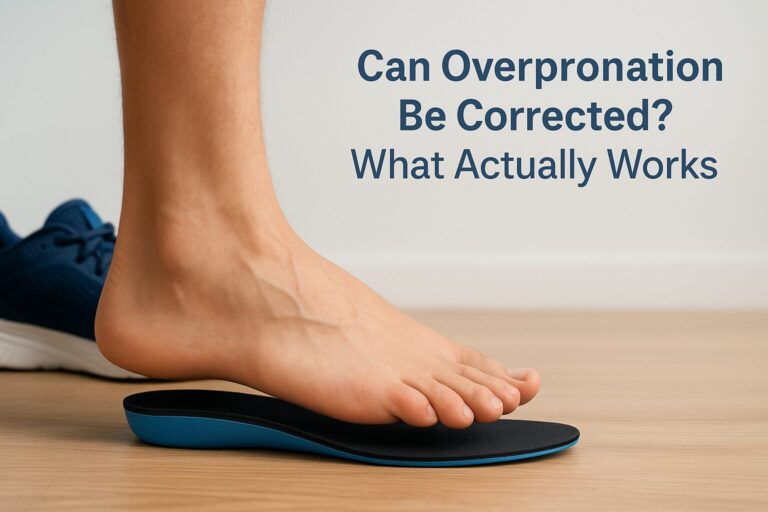
If your shoes wear out unevenly, your knees ache after a run, or a podiatrist has mentioned your arches roll inward too much, you’ve probably searched can overpronation be corrected. It’s a fair question, because plenty of foot health advice online is vague about actual outcomes and long on generic stretches.
The short answer is yes, in most cases overpronation can be managed and significantly improved, though "corrected" means something different depending on whether your feet are flexible or structurally fixed. Custom orthotics, targeted strengthening exercises, proper footwear, and in some cases gait retraining all play a role, and the right combination depends on your specific foot type and activity level.
In this article, we’ll walk through what overpronation actually is, why it happens, and which treatments genuinely change how your foot moves rather than just masking symptoms. We’ll also cover when conservative treatment is enough and when you need a proper biomechanical assessment from a podiatrist to get lasting results, drawing on what we see working every week in our Sydney clinics.
Why correcting overpronation matters
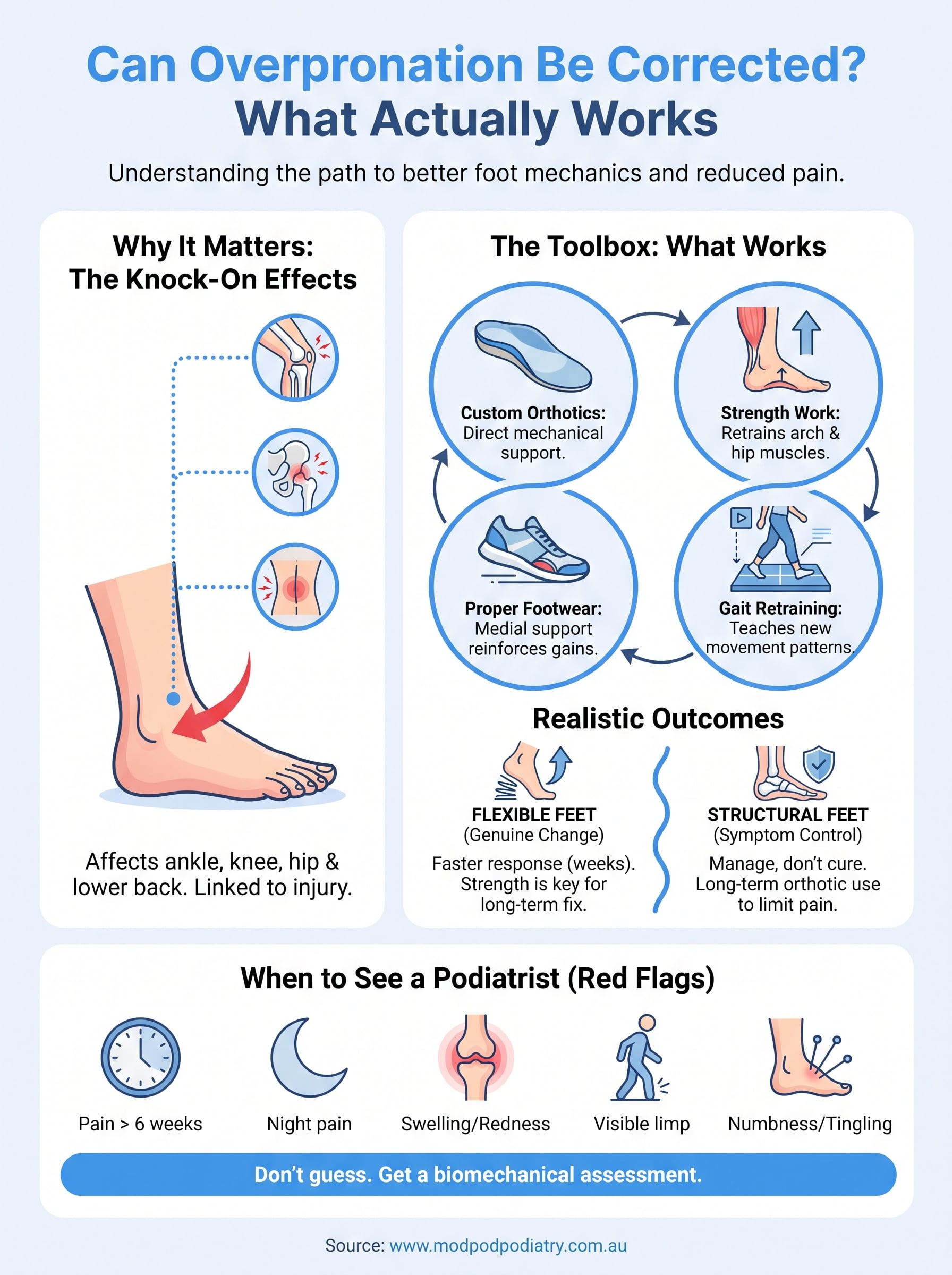
Overpronation isn’t just a cosmetic quirk in the way you walk. When your foot rolls inward excessively after it strikes the ground, it changes how force travels through your ankle, knee, hip and lower back. Left unmanaged, that altered loading pattern doesn’t stay confined to your feet. It compounds over thousands of steps a day, and that’s why so many patients who ignore early warning signs end up in our clinics with a knee or back problem rather than a foot one.
The knock-on effects up the chain
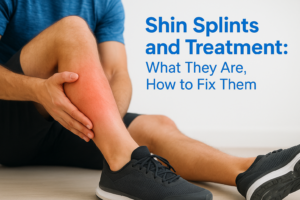
Unaddressed overpronation is strongly linked to a cluster of overuse injuries that podiatrists see constantly, including plantar fasciitis, shin splints, Achilles tendinopathy and patellofemoral (runner’s knee) pain. The mechanism is straightforward: excessive inward rolling forces your tibia to rotate more than it should, which pulls on the soft tissue structures around your knee and shifts stress onto the inside of your shin and heel.
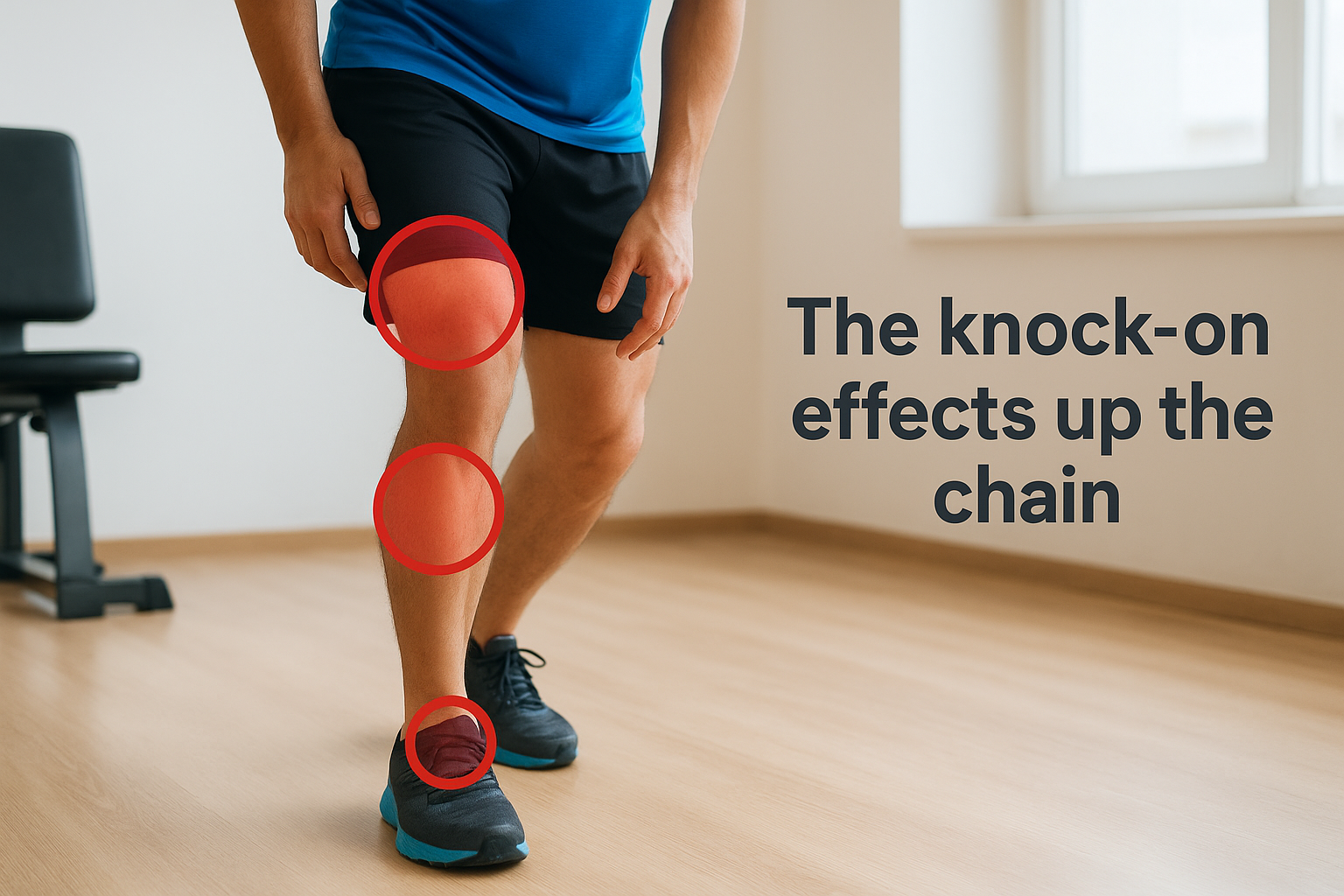
Overpronation rarely stays a foot problem for long, it tends to show up as knee, hip or back pain months later.
Here’s a quick snapshot of what we typically see when overpronation goes unmanaged:
| Body region affected | Common complaint |
|---|---|
| Heel and arch | Plantar fasciitis, arch pain |
| Shin | Medial tibial stress syndrome (shin splints) |
| Achilles tendon | Tendinopathy, stiffness after rest |
| Knee | Patellofemoral pain, IT band irritation |
| Hip and lower back | Compensatory pain from altered gait |
Who feels it most
Runners and other high-mileage athletes notice the effects fastest, simply because repetitive impact amplifies any biomechanical fault. According to the American Academy of Orthopaedic Surgeons, abnormal foot mechanics are a recognised contributor to overuse injuries in athletes, which lines up with what we assess week to week in gait analysis (source: orthoinfo.aaos.org). Parents should also pay attention, because a child’s developing arch and gait pattern respond well to early guidance, and correcting the movement pattern before growth plates close is far easier than retraining an adult foot.
Finally, older adults with degenerative changes or diabetes carry a different kind of urgency. Poor foot mechanics combined with reduced sensation or circulation raises the risk of skin breakdown and ulceration, which is why early intervention matters more, not less, as you get older. Whatever your age or activity level, the underlying point stands: treating overpronation isn’t about achieving a textbook-perfect footprint, it’s about protecting the joints and tissues that depend on a stable, well-aligned foot to do their job properly.
How to correct overpronation: what actually works
No single fix corrects overpronation on its own, but combining the right tools reliably changes how your foot loads. Custom orthotics address the mechanical fault directly, while targeted exercises build the muscular support your arch needs to hold a better position once the device is removed. Footwear and gait work then reinforce those gains during daily movement and sport.
Orthotics do the heavy lifting early on
A properly cast custom orthotic, built from 3D scanning and pressure plate data rather than a generic insert, controls excessive inward roll from the moment you stand on it. This isn’t a permanent crutch; it’s a way to buy your tendons and joints relief while strength work catches up.
Orthotics don’t cure overpronation, they buy your joints time while strength training does the real correcting.
Strength work retrains the pattern
Weak intrinsic foot and hip muscles let the arch collapse under load, so strengthening them is where lasting change happens. We typically prescribe:
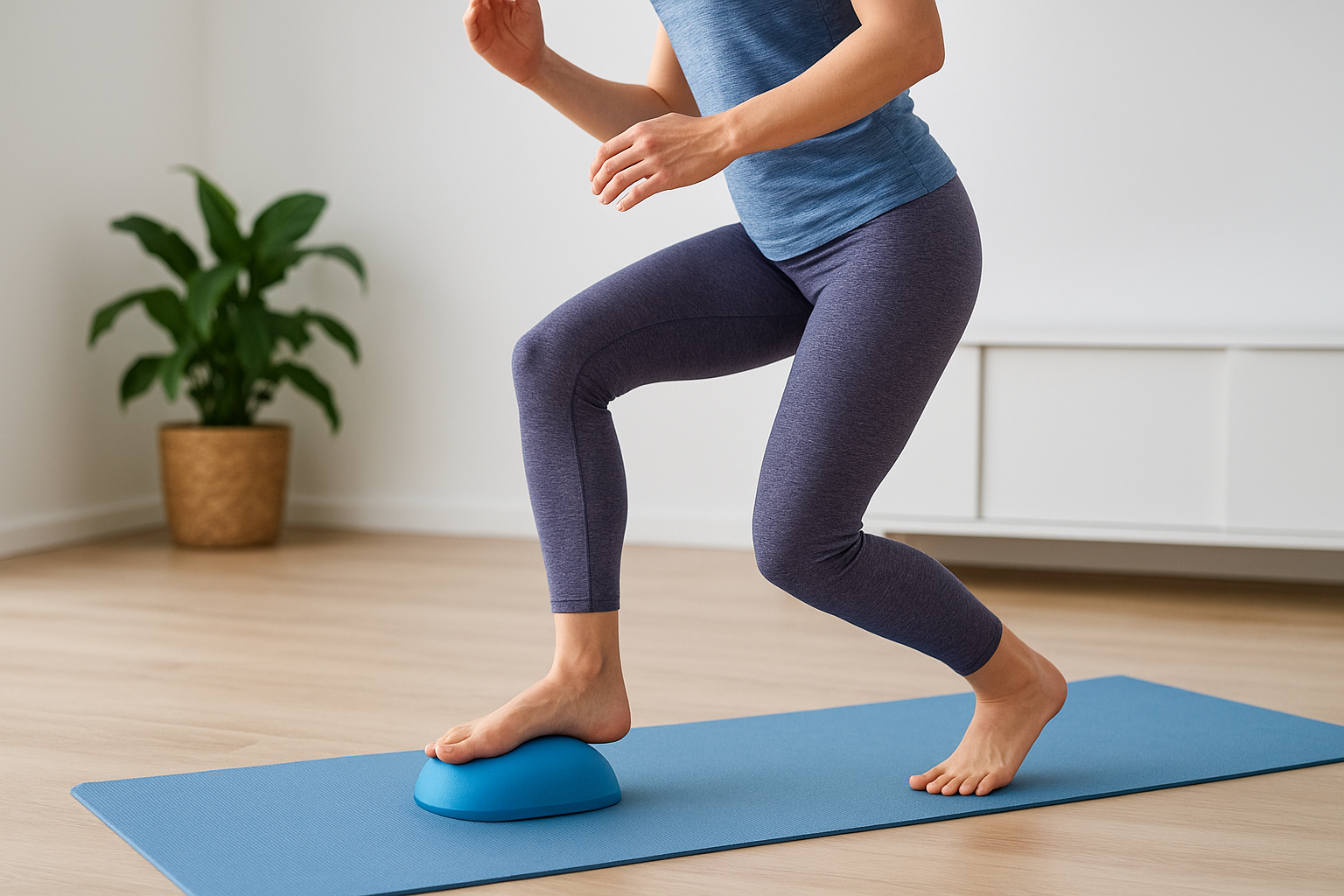
- Short foot exercises to activate arch stabilisers
- Calf raises with a slow, controlled lowering phase
- Single-leg glute bridges and clamshells for hip control
- Balance work on unstable surfaces
Footwear and gait retraining lock in the gains
Shoes with adequate medial support and a firm heel counter stop the foot collapsing between orthotic use, particularly for runners logging high mileage. Gait retraining, guided by video or pressure analysis, then teaches your brain the new movement pattern so it sticks once treatment tapers off. Together, these four elements, orthotics, strength, footwear and gait feedback, form the only combination we’ve seen consistently deliver measurable, lasting change rather than temporary symptom relief.
What results can you realistically expect
Setting realistic expectations early stops patients feeling let down six months in. Whether overpronation can be corrected fully or simply managed well depends heavily on whether your foot is flexible or structurally rigid. A flexible foot, one where the arch collapses under load but reforms when you sit or lift your leg, responds well to combined treatment and can show genuine, lasting change in movement pattern. A rigid or structurally fixed foot, often shaped by bone alignment or long-standing tendon changes, won’t fully reshape itself, but it can still be controlled effectively enough to eliminate pain and prevent further damage.
Full correction is realistic for flexible feet, but structural cases are about control, not cure.
Flexible feet respond fastest
Patients with flexible overpronation typically notice reduced arch and heel pain within four to six weeks of starting orthotics and strength work, with visible gait changes on repeat pressure plate testing by around three months. Consistent strength training matters more than the orthotic itself here, since the muscles need time to take over the job the device is temporarily doing.
Structural cases need ongoing management
Older patients or those with fixed bony changes, arthritis, or long-term tendon dysfunction should expect symptom control rather than a completely corrected footprint. That still means real progress: less pain, fewer flare-ups, and reduced risk of the knee, hip or back issues we covered earlier. In these cases, orthotics usually become a long-term tool rather than a short course of treatment, and that’s a perfectly reasonable outcome, not a failure of treatment.
When it’s time to see a podiatrist
Self-guided fixes work well for mild, flexible overpronation, but some signs mean it’s time to stop guessing and book a biomechanical assessment. If pain persists beyond a few weeks of stretching and better shoes, or if it’s getting worse rather than better, that’s your foot telling you the problem is bigger than footwear alone.
Warning signs you shouldn’t ignore
Watch for these red flags, which usually mean the mechanical fault needs professional correction rather than home management:
- Pain that wakes you at night or worsens throughout the day
- Visible swelling, redness or warmth around the arch, heel or ankle
- A limp or noticeable change in how you walk
- Numbness, tingling or pins and needles in the foot
- Pain that hasn’t improved after four to six weeks of self-management
If home care hasn’t shifted the pain within six weeks, you need a proper assessment, not another set of stretches.
What a podiatrist adds that a shoe shop can’t
Generic insoles and off-the-shelf advice can’t account for how your specific foot loads under real movement. A podiatry assessment uses 3D scanning and pressure plate analysis to map exactly where and how your foot rolls, giving you a treatment plan built on data rather than guesswork.
Children deserve particular attention here, since a growing foot that overpronates heavily can affect how the whole lower limb develops. Early referral, ideally before puberty, gives far more scope to guide the pattern than waiting until adulthood.
Finally, don’t wait if you have diabetes, circulation issues or reduced sensation in your feet. Combined with overpronation, these conditions raise the risk of skin breakdown, and a podiatrist can catch problems long before you’d notice them yourself.
Getting your feet back on track
So, can overpronation be corrected? For flexible feet, the answer is genuinely yes, with the right mix of strength work and support. For structural cases, the goal shifts to control rather than cure, but that still means less pain and fewer flare-ups up the chain. Either way, guessing at footwear and generic insoles only gets you so far.
What actually moves the needle is a plan built on how your foot loads in real life, not assumptions from a shoe shop shelf. That starts with an accurate biomechanical assessment, followed by orthotics and exercises matched to your specific foot type. Thousands of Sydney patients have gone through exactly this process with our team, and most notice a real difference within weeks, not months.
If your arches, knees or shins have been giving you trouble, don’t wait for it to worsen. Book an appointment online with ModPod Podiatry and get a proper answer, not another guess.